



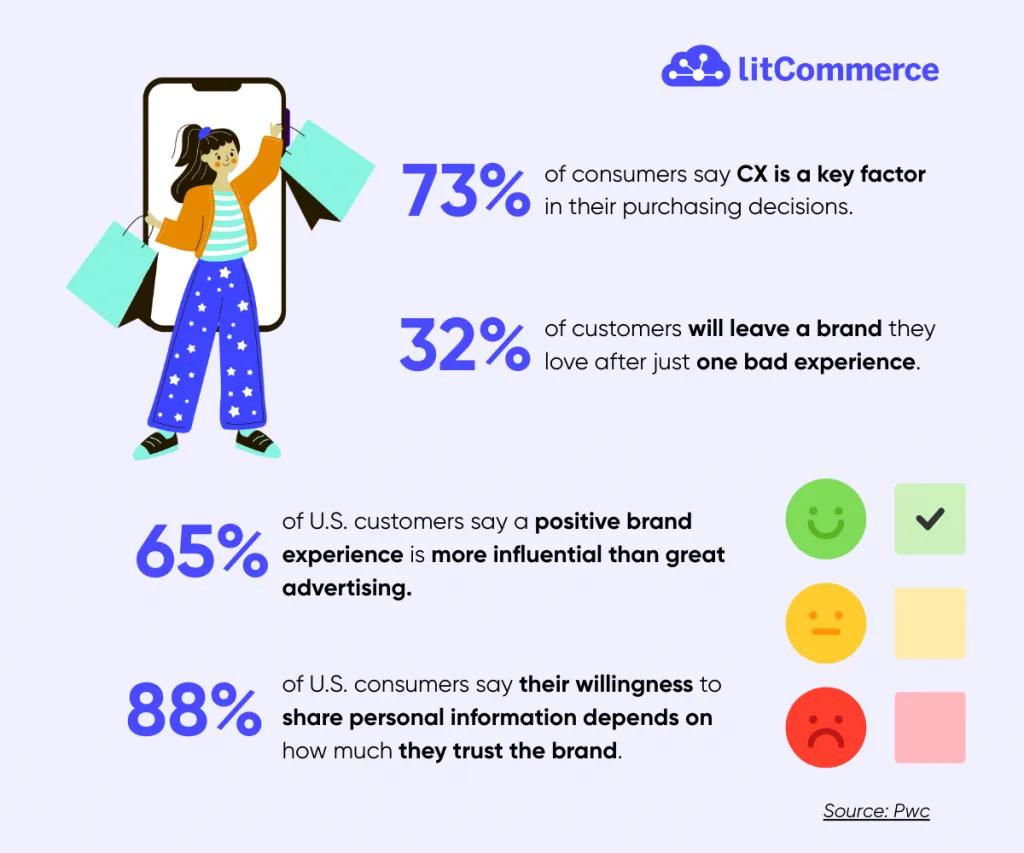
Customers today are bombarded with endless options, so offering a great product or service is no longer enough. They expect more. Shoppers want every interaction with your brand to be seamless, personalized, and emotionally satisfying. And when you meet those expectations, 89% of consumers are more likely to make another purchase. But get it wrong, even once, and 32% of them won’t come back. So now, it’s time to focus on customer experience marketing (if you haven’t already!).
It’s not just about delivering ads or closing sales; it’s about creating a journey that feels human, thoughtful, and consistent across every touchpoint.
In this guide, we’ll break down everything you need to know: from the definition and core principles to the latest technology trends, top tools, and practical strategies to help you build loyalty and boost revenue through standout customer experiences.
What is Customer Experience Marketing?
Customer experience marketing is a marketing strategy that focuses on creating personalized, meaningful, and consistent experiences for customers across all touchpoints: before, during, and after a purchase.
Unlike traditional marketing, which mainly aims to promote products or services, customer experience meaning in marketing prioritizes the customer’s feelings, expectations, and journey. It blends marketing efforts with customer service, feedback, and product experience to build loyalty, trust, and long-term relationships.
When done right, customer experience marketing becomes a competitive advantage. It helps businesses:
- Stand out in crowded markets: Delivering an exceptional customer experience helps your brand rise above competitors who focus solely on product or price.
- Increase customer retention and lifetime value: When customers feel valued and understood, they’re more likely to stay loyal, make repeat purchases, and engage with your brand over time.
- Improve word-of-mouth and reviews: Satisfied customers naturally become advocates, sharing their positive experiences through reviews, referrals, and social media.
- Boost marketing ROI by focusing on what customers actually want: By aligning marketing strategies with real customer needs and preferences, you reduce wasted spend and drive more meaningful engagement and conversions.
How Customer Experience and Marketing Really Work Together
A strong customer experience strategy keeps the customer at the center of everything your company does, and marketing plays a critical role in making that happen.
While CX is often associated with support teams or post-purchase interactions, the reality is that every touchpoint a customer encounters is part of their experience. That includes your ads, your content, your website, your emails, and even how well your product information is presented online.
Marketing is often the first point of contact, shaping expectations long before a buyer interacts with sales or support.

When marketing teams understand customer needs, behaviors, and pain points, they can create more relevant campaigns, clearer messaging, and better product positioning. This alignment ensures that what you promise in your marketing is consistent with what customers actually receive, reducing friction and building trust.
CX also feeds back into marketing. Feedback, reviews, sentiment analysis, and user behavior data give marketers real insight into what customers love, what frustrates them, and what needs improvement. This loop allows marketing to continuously refine targeting, personalize messaging, and improve overall communication.In the end, customer experience and marketing strengthen each other. When both work together, businesses create seamless, meaningful interactions that attract new customers, retain existing ones, and turn them into long-term advocates.
Streamline your sales, elevate your customer experience
Managing multiple sales channels shouldn’t mean risking stockouts or overselling. With LitCommerce, you can control everything from one smart dashboard, so you can focus on delivering the seamless, reliable experience your customers expect.
How to Build a Customer Experience Marketing Strategy
A great customer experience doesn’t happen by accident, it’s built through intentional steps that align your marketing with what your customers truly value.
Below is 5 steps to build an effective customer experience marketing strategy:
1. Understand your customers
Start by collecting as much information as you can about your audience, like:
- Demographics
- Psychographics
- interests
- Behaviors
- Buying motivations
You can uncover these insights through market research, customer surveys, social listening, and by analyzing your existing customer base.
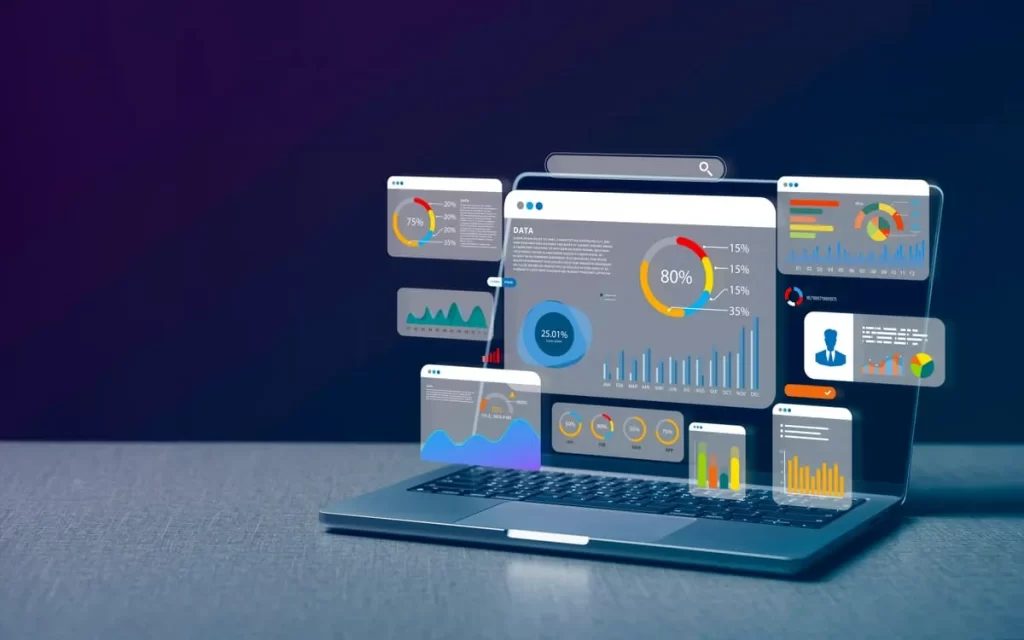
Every interaction your customers have with your brand like website visits, purchases, social media engagement, creates valuable data. Use CRM systems and analytics tools to track purchase history, browsing behavior, and engagement patterns. This helps you spot trends, understand what resonates with your audience, and anticipate their needs.
Once you’ve gathered and analyzed this information, turn your insights into detailed customer personas. These fictional profiles represent your ideal customers and help you better empathize with them. With clear personas in place, you can tailor your messaging, products, and overall customer experience to match the expectations and desires of the people you want to reach.
2. Create emotional connections
People are naturally drawn to stories, and stories captivate, inspire, and, most importantly, help us connect. A strong brand story allows you to build emotional connections with your customers by giving them something they can relate to and believe in.
Your story should reflect your company’s values, mission, and personality. Be genuine and authentic; let your brand’s unique traits shine so customers can understand who you truly are and what you stand for.
To deepen emotional connection, invite customers into the narrative. Show them how they fit into your journey, whether by joining your community, supporting your cause, or experiencing the real benefits of your products or services. When customers feel like they’re part of your story, loyalty follows naturally.
Nike’s “Just Do It” campaign is a perfect example of a brand story that creates emotional connection. Instead of focusing solely on shoes or sportswear, Nike built a narrative about motivation, resilience, and pushing past limits. The message, anyone can achieve greatness by simply starting, make customers feel like they were part of a movement, not just buying a product.

3. Track & analyze customer reviews regularly
Make it a habit to monitor reviews across platforms like social media (Facebook, Instagram, TikTok, etc.), product reviews on marketplaces (Amazon, Etsy, eBay, etc.) and industry-specific sites to understand what customers truly think about your brand.
Regularly analyzing reviews helps you identify patterns, what customers consistently praise, where they struggle, and what expectations you may not be meeting. These insights allow you to make informed improvements, address issues before they escalate, and refine your products or services based on real customer experiences.
4. Engage & respond to customer feedback
Unlike traditional marketing often focuses on broadcasting messages, customer experience marketing requires social listening, responding, and engaging directly with your audience. That means addressing both positive and negative feedback with care.
Aim to reply to reviews within 24-48 hours to show customers their opinions matter.
Besides, personalize your responses. Thank those who leave positive comments, and acknowledge concerns with empathy when feedback is negative. Quick, thoughtful communication builds trust and shows customers you’re committed to improving their experience.
People naturally gravitate toward brands that listen, reply promptly, and participate in conversations across channels. When you respond consistently, even to criticism, you reduce the impact of negative experiences and strengthen the positive ones.

5. Showcase positive reviews
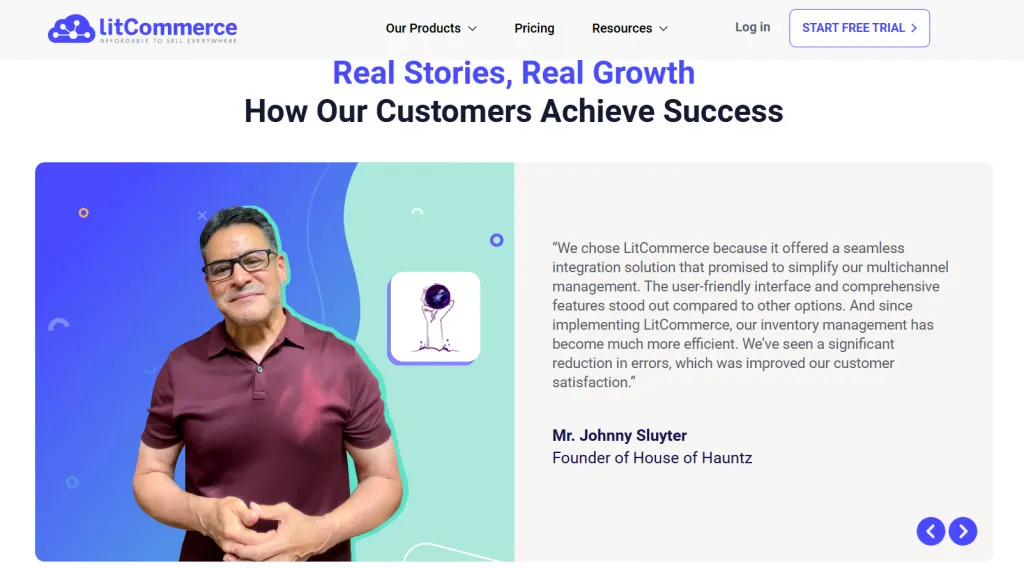
Once you begin collecting reviews, don’t let them sit untouched, use them to power your marketing. Positive feedback is one of the strongest forms of social proof, and showcasing it across your website, landing pages, email campaigns, and social media can instantly boost credibility.
Highlighting testimonials builds trust, especially for new shoppers who may be hesitant to buy. Consider adding rotating review sliders on product pages, placing star ratings near “Add to Cart” buttons, or featuring customer stories on your homepage.
Video is an even more compelling form of social proof. Short clips of customers unpacking your product, sharing their experience, or demonstrating its benefits feel authentic and persuasive.
You can also encourage more reviews by running simple promotions, like offering a discount on a future purchase, hosting a giveaway, or spotlighting “Reviewer of the Month” on social media. These incentives not only generate fresh content but also strengthen your relationship with existing customers.
Over time, these genuine customer reviews become a powerful marketing engine. They amplify word-of-mouth, help new customers feel confident, and reinforce your brand’s trustworthiness, turning satisfied buyers into your most effective advocates.
6 Best Customer Experience Marketing Strategies
And now you fully grasp the core elements of customer experience marketing and evolving trends. So how to adapt and take action? How do you ensure you’re delivering the right experiences to the right customers, at the right time?
Here are 6 proven strategies we actually use at LitCommerce, backed by industry research and real-world insights, to help you elevate your customer service marketing strategy and drive lasting results.
1. Build a unified CX vision across teams and channels
A great customer experience starts with everyone in your organization working toward the same goal. When marketing, sales, support, and product teams operate in silos, the customer journey becomes fragmented and inconsistent.
To build a unified CX vision, you need to align teams around shared goals, clear customer personas, and a consistent brand voice. Also, you can utilize integrated tools like CRMs, CDPs, and shared dashboards to ensure all departments have access to the same customer data and insights.
When every team is connected and informed, customers receive a seamless, coherent experience, no matter where or how they interact with your brand.

2. Personalize with data, context, and intent
The first step of a successful CX personalization is defining your ideal customer personas, including their demographics, interests, buying habits, and communication preferences. Knowing whether your audience values convenience, exclusivity, or guidance helps shape the type of personalization that will resonate most.
Next, collect the right data to support those insights. Useful data includes:
- Location
- Site behavior
- Purchase history
- On-site search activity
You can gather this through forms, quizzes, post-purchase surveys, or even conversational interactions with live chat. Remember to do it transparently and non-intrusively and ensure your customers understand how the data will be used to benefit them.
Once the data is in place, you need to develop a clear personalization strategy for customer experience marketing.
Decide which content or experiences to personalize (e.g., product recommendations, email campaigns, support touchpoints) and which channels to prioritize. Start with simple actions like dynamic checkout messages or confirmation emails, and expand from there.
Personalization rooted in real customer context not only increases conversions. It builds trust, loyalty, and long-term brand connection.

3. Create omnichannel customer journeys
As customers expect to engage with your brand across multiple channels and they want it to feel seamless, an omnichannel customer journey is a must in customer experience marketing. Ensures that no matter where the interaction starts, it transitions smoothly across touchpoints without losing context or momentum.
Start by understanding where your customers prefer to interact and what each channel is best suited for:
- Email: Best for detailed, formal communication and lifecycle nurturing.
- SMS: Ideal for quick updates, reminders, and time-sensitive promotions.
- Messaging apps (e.g., WhatsApp, MMS, RCS), great for interactive, media-rich engagement.
- Social media: Supports brand awareness, community building, and customer service.
- Mobile apps: Offer personalized experiences, loyalty features, and push notifications.
- In-store interactions: Enable hands-on product discovery and instant support.
Then, visualize the full customer lifecycle. You can use a flowchart or timeline to plot:
- What the customer is trying to achieve
- Which channel(s) they’re likely to use at each stage
- The content or support they’ll need
- The ideal action or conversion goal
And remember to ensure each touchpoint provides a consistent brand experience and meets customer expectations.
Once the journey is mapped, tailor your messaging based on customer engagement:
- Re-engage low-engagement customers with subtle nudges such as a personalized discount, product restock alert, or early access offer. Avoid over-messaging; too much outreach leads to churn.
- Delight high-engagement customers by delivering timely, valuable content through their preferred channels like blog updates, targeted social posts, or exclusive sneak peeks.
4. Automate where it helps, humanize where it matters
Automation plays a vital role in scaling your customer experience but it should enhance, not replace, human connection. The smartest brands strike a balance: they automate repetitive tasks to save time, while keeping space for genuine, empathetic interactions where they matter most.
You can use automation to handle routine tasks:
- AI chatbots: Provide instant, 24/7 support for common questions
- Automated emails: Send welcome sequences, abandoned cart reminders, order confirmations, and follow-ups
- Customer feedback surveys: Automatically request feedback after purchases or interactions
- Loyalty program management: Track points, send level-up notifications, and remind users about unused rewards
- Customer onboarding: Trigger onboarding emails, tutorials, or product tours
- Appointment scheduling: Let customers book time slots automatically
- Order tracking notifications: Keep customers informed at every step (processing, shipping, delivery) with real-time status updates.
- Content delivery: Automate the sending of newsletters, blog updates, or product announcements based on customer interests and timing.
But when a customer is frustrated, confused, or needs personalized support, that’s when a real human touch makes all the difference. Blend both approaches by letting automation handle the efficiency, while your people deliver empathy, problem-solving, and relationship-building where it truly counts.
5. Use storytelling and loyalty
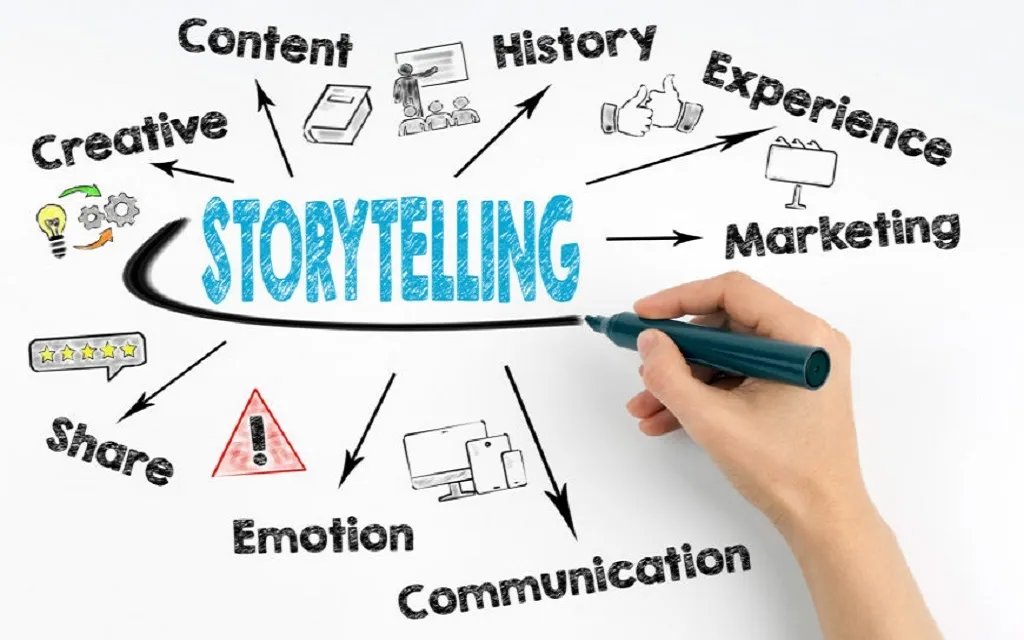
Storytelling is one of the most powerful ways to build emotional connections and strengthen brand loyalty. It transforms ordinary interactions into memorable experiences by giving your brand a relatable voice, humanizing your mission, and making customers feel seen, heard, and valued.
In customer experience marketing, storytelling is a strategy for turning your brand into something people care about and want to be part of. When customers resonate with your story, they’re more likely to stay loyal, recommend your brand, and advocate for your values.
Here are four types of storytelling that can elevate your customer experience:
- Brand storytelling: Share your company’s origin, values, and purpose to help customers understand who you are and why you exist.
- Customer stories: Showcase real customer experiences to build trust and credibility through authentic testimonials and success stories.
- Product storytelling: Explain how your product solves real-life problems in a way that’s relatable and benefits-focused.
- Community storytelling: Highlight your brand’s involvement in local communities and social causes to create a sense of belonging.
To deepen this connection, businesses can sponsor local events, host community gatherings, or create videos that celebrate the people they serve. When your brand’s story overlaps with your customers’ lives, you strengthen the loyalty stage of the marketing funnel, fostering a bond that goes beyond transactions and becomes part of their identity.
6. Monitor feedback and adapt in real-time
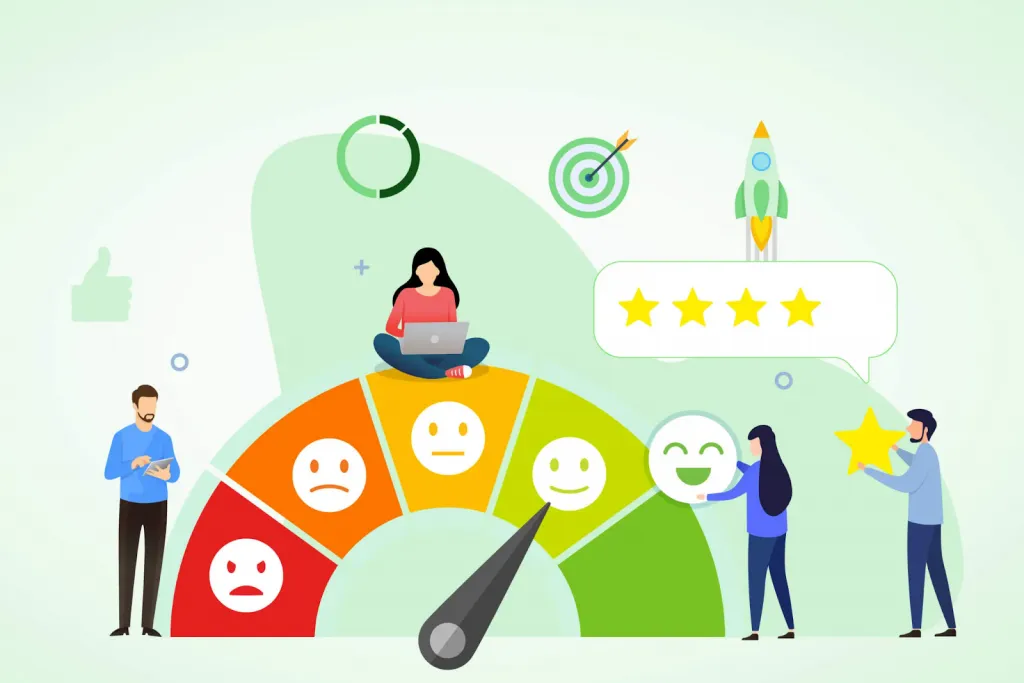
Real-time feedback monitoring allows you to stay closely connected to your customers’ evolving needs, identify issues early, and make meaningful improvements before problems escalate.
Start by collecting feedback at key moments in the customer journey, post-purchase, after support interactions, or during onboarding.
But the real value lies in your ability to act fast. If a customer leaves a low score, trigger a follow-up message or offer immediate support. Spot a recurring complaint? Use that data to improve the product, content, or communication flow.
By making feedback a continuous, responsive loop, you show customers that their opinions shape your decisions.
You may also like: A Google Maps Marketing Guide to Grow Your Local Business
Key Metrics to Measure Customer Experience in Marketing
To ensure your customer experience marketing efforts are truly effective, you need to track the right metrics. These KPIs help quantify how customers feel, how they behave, and how your marketing impacts long-term loyalty and revenue.
1. Net promoter score (NPS)
NPS measures customer loyalty by asking one simple question: “How likely are you to recommend us to a friend or colleague?” Respondents answer on a scale from 0 to 10 and are grouped into:
- Promoters (9-10)
- Passives (7-8)
- Detractors (0-6).
Your NPS score is calculated by subtracting the percentage of Detractors from the percentage of Promoters.
2. Customer satisfaction score (CSAT)
CSAT evaluates how satisfied customers are with a specific interaction, such as a purchase, support call, or website experience. The standard question is: “How satisfied were you with [X]?” with responses typically on a 1-5 scale.
This quick pulse check is ideal to trigger at key points in the customer journey, like after checkout or support.
3. Customer retention rate (CRR)
Retention rate shows the percentage of customers who continue doing business with you over a given period. A high retention rate means customers are satisfied and find ongoing value in your brand, while low retention can indicate friction or poor experiences.
For subscription-based businesses, calculate it by comparing customer counts at the start and end of the month. For eCommerce, cohort analysis helps track how often customers return to buy again.
4. Customer lifetime value (CLV)
CLV estimates the total revenue a customer will bring your business over the entire duration of their relationship. It’s a critical measure of long-term satisfaction and the financial impact of good experiences. In SaaS, CLV is typically calculated using recurring revenue and churn rate; in eCommerce, multiply average order value by purchase frequency and lifespan.
Best Tools for Customer Experience Marketing
To stay competitive and keep up with evolving technology trends, here are some of the best tools you can use to enhance and scale your customer experience marketing efforts.
1. HubSpot (CRM + marketing automation)
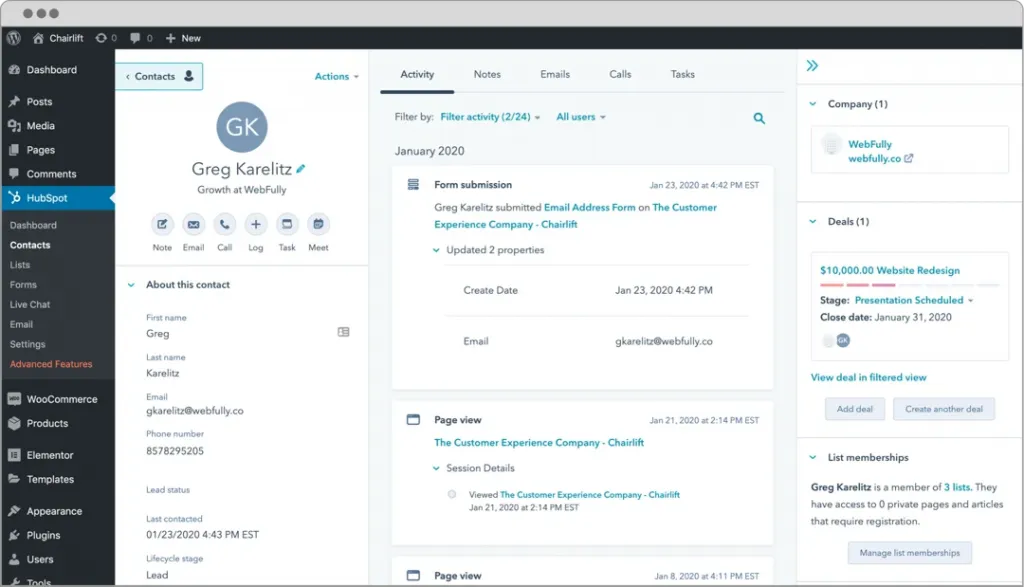
HubSpot is one of the most popular all-in-one digital marketing and customer experience platforms that combines powerful CRM tools with robust marketing automation features. Designed for businesses of all sizes, it helps you attract leads, engage customers, and nurture long-term relationships.
Key features:
- Free CRM: Track contacts, deals, emails, and calls with a 360° view of your customer without paying a cent.
- Email marketing automation: Create personalized email campaigns with visual workflows that automate follow-ups, nurturing, and lead scoring.
- Lead capture tools: Use pop-ups, forms, and live chat to capture leads directly from your website and route them to your sales team.
- Landing pages & campaign tracking: Build landing pages with ease and track campaign performance with detailed analytics dashboards.
- Contact segmentation: Segment your audience based on behavior, lifecycle stage, or demographics to deliver more relevant content.
- Integration with sales & service hubs: Connect marketing with sales and support for a truly seamless customer experience.
Pricing:
- Free: Includes basic CRM, forms, email marketing, and limited automation.
- Marketing hub starter: $15/mo/seat and includes basic automation and 1,000 marketing contacts
- Starter customer platform: $15/mo/seat and includes sales, service, content, data hub
- Marketing hub professional: $890/month and includes advanced automation, personalization, etc. and 2000 marketing contacts.
- Marketing hub enterprise: starts at $3,600/month for organizations needing scalable workflows, multi-touch revenue attribution, and advanced analytics.
2. Segment (customer data platform)
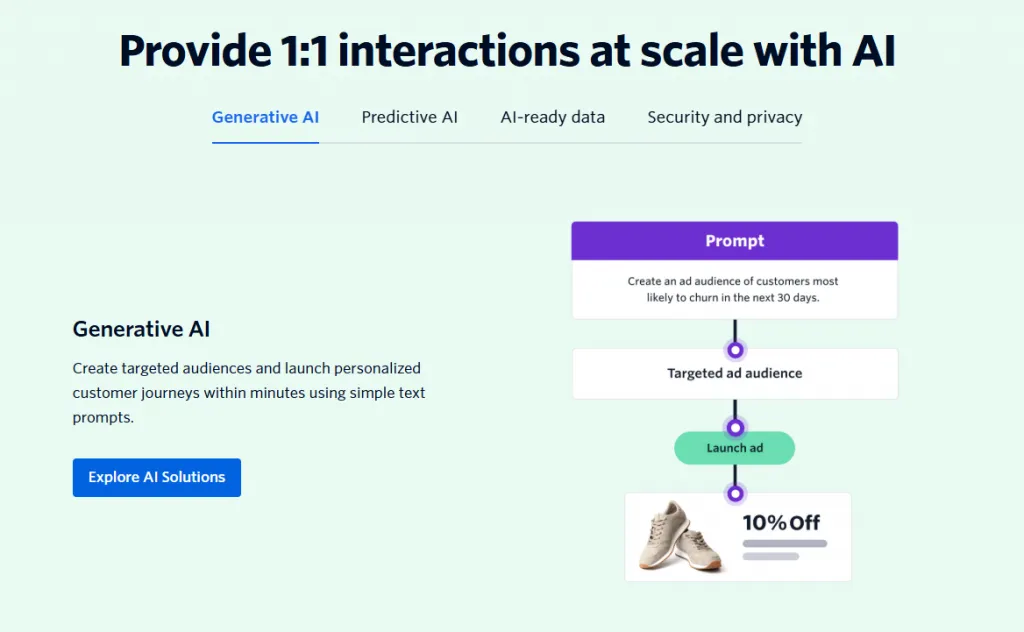
Segment is a leading CDP powered by AI that helps businesses collect, unify, and activate customer data from multiple sources in real time. Owned by Twilio, Segment empowers marketing, product, and engineering teams to deliver personalized and consistent customer experiences across all channels by creating a single, reliable view of each user.
Key features
- Unified customer profiles: Segment merges data from web, mobile, email, CRM, and more into one centralized profile per customer.
- Real-time data collection & routing: Automatically track events and behaviors across platforms and send that data to over 400+ marketing, analytics, and advertising tools.
- Audience segmentation: Build dynamic segments based on behavior, demographics, and lifecycle stage to power personalized messaging and campaigns.
- Consent & privacy management: Ensure GDPR, CCPA, and HIPAA compliance with built-in tools for managing data permissions and privacy preferences.
- Identity resolution: Connect anonymous browsing data with known user profiles to get a full picture of the customer journey, even before login.
- Integrations: Seamlessly connect with platforms like HubSpot, Salesforce, Mailchimp, Google Analytics, Facebook Ads, and more.
Pricing:
Segment offers flexible pricing based on company size and data needs:
- Connection:
- Free: basic integrations, and up to 1,000 monthly tracked users.
- Team: starts at $120/month with more advanced features and up to 10,000 monthly tracked users.
- CDP: Custom pricing for growing teams and enterprises. Includes advanced features like identity resolution, unlimited data sources, governance controls, and premium support.
3. Zendesk (CX + support platform)
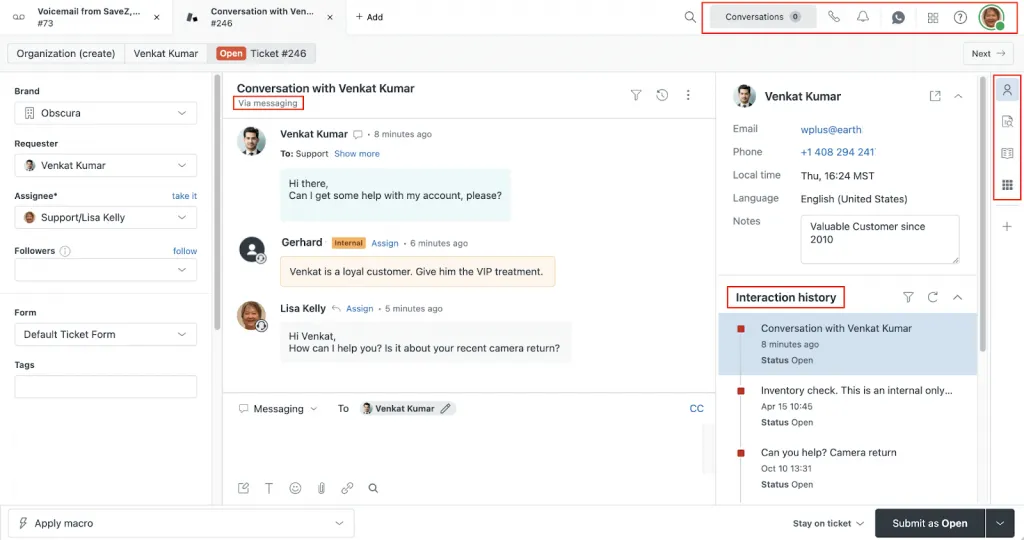
Zendesk is a widely used customer experience marketing platform that helps businesses manage and streamline customer interactions across multiple channels including email, live chat, social media, phone, and self-service portals. With a strong focus on delivering fast, personalized, and scalable support, Zendesk is trusted by businesses of all sizes to build better relationships and improve customer experience in marketing.
Key features:
- AI agents: Use Zendesk AI bots to answer common questions instantly, deflect tickets, and guide users to helpful resources, all while maintaining a human-like tone.
- Ticketing system: Efficiently track, prioritize, and resolve customer issues with an intelligent, automated ticketing workflow.
- Help center & knowledge base: Build a branded self-service portal where customers can find answers on their own, reducing support volume and boosting satisfaction.
- Customer satisfaction (CSAT): Easily measure CSAT and gather feedback through built-in survey tools, helping you identify strengths and improvement areas.
- CRM integration: Access full customer history and context within each support interaction by integrating Zendesk with CRMs and data tools like Salesforce or Segment.
Pricing:
- Support team: $25/agent/month – Get started with essential email, social media, and ticketing support.
- Suite team: $69/agent/month – Plus AI-powered agents, live chat, voice support, and multichannel messaging like WhatsApp and Instagram.
- Suite professional: $149/agent/month – Offer advanced features like custom reporting, CSAT surveys, skills-based routing, SLA management.
- Suite enterprise: $219/agent/month – Designed for large teams, offering advanced AI tools, custom agent roles, sandbox testing, up to 300 help centers, audit logs.
4. Klaviyo (email & SMS personalization)
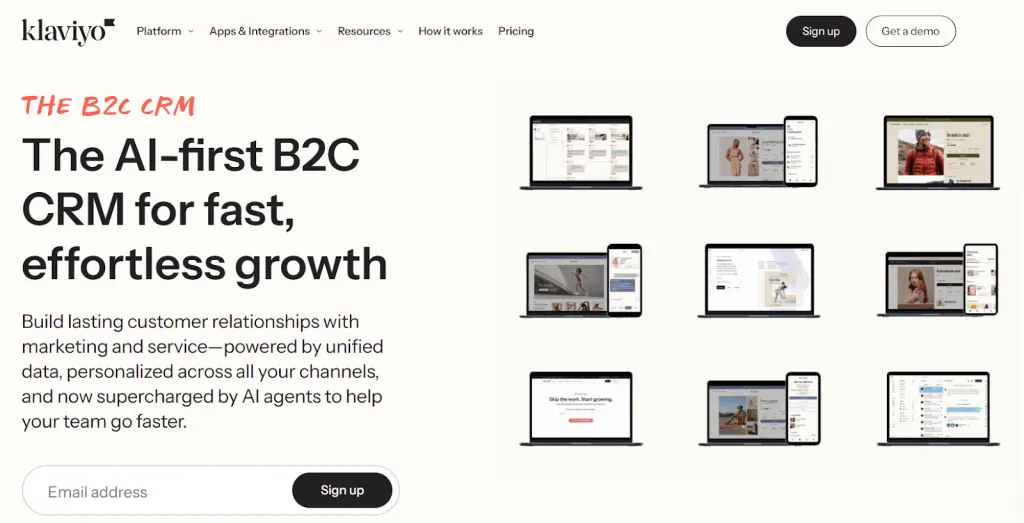
Klaviyo is a powerful email and SMS marketing automation platform built specifically for eCommerce brands. Known for its deep customer segmentation and real-time data syncing with eCommerce platforms like Shopify, WooCommerce, and BigCommerce, Klaviyo helps businesses deliver personalized, behavior-driven messages that drive sales, increase engagement, and improve retention.
Key features:
- Advanced segmentation: Build precise audience segments using real-time data like purchase history, website activity, email engagement, and more.
- Email marketing automation: Easily set up automated flows for welcome series, abandoned carts, browse abandonment, win-back campaigns, and product reviews.
- SMS marketing: Send targeted, personalized text messages based on customer behavior, time zones, or actions.
- Pre-built eCommerce : Use proven templates for ecommerce scenarios like cart recovery, order updates, and product launches.
- Predictive analytics: Forecast metrics like next order date, customer lifetime value, and churn probability to inform your customer experience marketing strategy.
- Integrations: Seamlessly connects with Shopify, Magento, BigCommerce, Stripe, Facebook Ads, and over 300+ other tools.
Pricing:
- Free – Start sending emails and SMS with 500 email sends and 150 text credits per month
- Email – $45/month: Send up to 15,000 emails monthly with AI content tools, built-in reports, and multichannel segmentation.
- Email + mobile messages – $60/month: Combine email and 1,250 SMS/MMS credits
- Reviews – $25/month: Collect, display, and automate product reviews directly within Klaviyo.
- Marketing analytics – $100/month: Unlock advanced insights and reporting features
- Advanced Klaviyo data platform – $500/month: Access powerful data tools including no-code transformations, warehouse syncing, and full integration.
5. Qualtrics XM (experience management platform)
Qualtrics XM is a comprehensive platform designed to help organizations measure, understand, and improve experiences across customers, employees, products, and brands. Used by Fortune 500 companies, governments, and startups alike, Qualtrics empowers teams to act on real-time feedback and optimize experiences at every touchpoint.
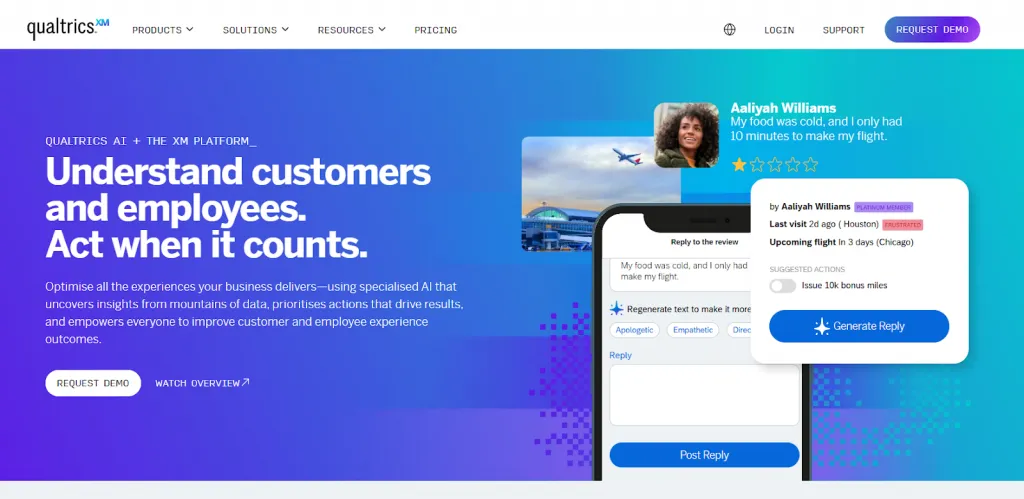
Key features:
- CX solutions: Capture feedback across the entire customer journey through surveys, email, web intercepts, SMS, and in-app tools. Identify friction points and respond proactively.
- Predictive analytics & AI-driven insights: Use machine learning, sentiment analysis, and text analytics to detect trends, predict churn, and surface key drivers of satisfaction or dissatisfaction.
- Experience iD (XiD): Build a unified experience profile for every customer or employee by connecting data from multiple sources.
- Closed-loop feedback workflows: Automatically route low satisfaction scores or negative feedback to the right teams for timely follow-up and resolution.
- Integration: Seamlessly integrates with Salesforce, Adobe, SAP, and other key platforms. Open APIs allow for custom workflows and data sync.
Pricing:
Qualtrics offers custom pricing based on the solutions you need. Pricing factors include:
- Number of users/seats
- Features and modules selected
- Survey volume or response limits
- Support level and onboarding services
Free trial/demo: Qualtrics offers personalized demos and a limited-feature free account with basic survey tools and templates for teams just getting started.
Customer Experience Marketing – FAQs
1. What types of customer data are most useful for improving consumer experience marketing campaigns?
The most actionable data includes purchase history, on-site behavior, support interactions, and feedback scores (CSAT/NPS). Combining these with demographic data allows you to create highly personalized messages and predict future behavior more accurately.
2. How can I personalize customer journeys without being intrusive?
Use zero-party data (like quiz results or preferences voluntarily shared by customers) and behavioral signals (e.g., cart activity or product views) to deliver relevant, helpful content. Always be transparent about how you use data and provide opt-out options.
3. What’s the best way to collect real-time feedback in digital marketing customer experience?
Trigger in-app surveys, post-purchase pop-ups, or email follow-ups immediately after key actions like checkout or support interactions. Tools like Zendesk allow you to automate this and act quickly on negative responses.
4. How do I measure the ROI of customer experience marketing strategy efforts?
Track metrics like Customer Lifetime Value (CLV), Customer Retention Rate, NPS improvements, and conversion rates from personalized campaigns. Monitor how these change over time in response to specific CX initiatives to understand what’s working.
Conclusion
In a nutshell, customer experience marketing plays a vital role in building lasting relationships, increasing loyalty, and standing out in today’s competitive market. From personalization and automation to emotional storytelling and real-time feedback, every interaction is an opportunity to deepen trust and deliver value.
If you’re selling on multiple platforms, LitCommerce multichannel selling tool can help you centralize operations, avoid overselling, and focus on creating a smooth, customer-first experience across every channel.
Also, explore our blog for actionable insights on eCommerce growth, marketing strategies, and customer experience optimization, all designed to help you scale smarter and serve better.