




Starting a candle making business in 2026 is less about fancy equipment and more about smart decisions. The barrier to entry is still low, but the market is more informed, more competitive, and more values-driven than ever.
The good news is that candle making remains one of the most beginner-friendly product businesses. You can start small from home, test ideas quickly, and scale only when real demand shows up. This guide will walk you through how to start a candle business step by step, even if you have zero experience.
Sell Candles Across Multiple Channels, Without Extra Work
With LitCommerce, you can list and manage your candles across multiple marketplaces and sales channels from one place, while keeping inventory and product data in sync.
Is Selling Candles Still Profitable in Today’s Market?
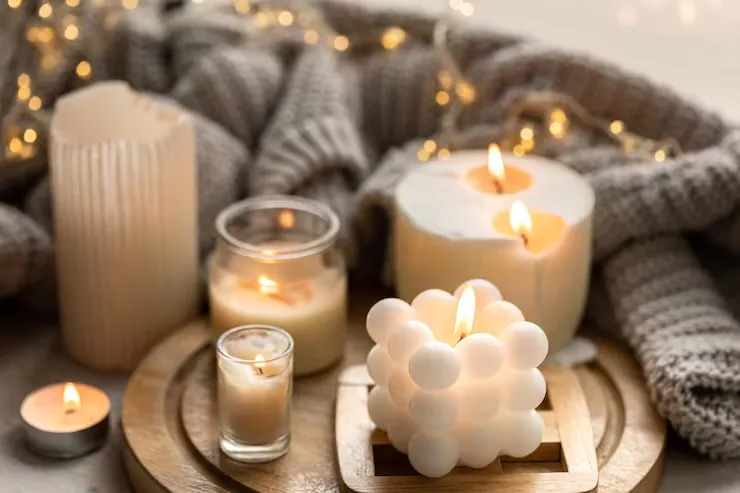
Yes, selling candles is still profitable in today’s market, but success looks very different than it did a few years ago. The candle industry is no longer driven by mass-produced products alone. Instead, growth comes from clear niche positioning, thoughtful branding, and emotional value. Customers are now willing to pay premium prices for candles that feel personal, intentional, and well made.
Market data supports this shift. A 2025 industry summary estimates the global candle market at approximately 15.02 billion USD, with an expected annual growth rate of around 6.53%. Much of this growth is driven by rising demand for wellness, aromatherapy, and home décor products, where candles play both a functional and emotional role.
From a business perspective, candles remain highly accessible for new sellers. Many serious beginners launch effectively with 1,000–1,500 USD, covering testing supplies, branding, initial inventory, and basic business setup. In fact, some founders report starting their candle companies with investments of just over 1,200 USD.
Profit potential is another key factor. A candle making business might have typical production costs of 3–5 USD per candle, while retail prices often range from 15–30 USD. This creates estimated profits of 10–25 USD per unit, translating to 60–80% profit margins when products are positioned and priced correctly.Candles are also a strong repeat-purchase product. Many customers reorder the same scent monthly or buy candles as gifts several times per year. This repeat behavior creates high lifetime value when you build trust and consistency. Combined with low production costs, it allows candle businesses to remain profitable even at small scales.
Choosing the Right Type of Candles to Sell
Choosing the right type of candles to sell is one of the most important decisions you will make early on. Your choice affects material costs, pricing, branding, and who your ideal customer will be. In 2026, successful home based candle businesses rarely try to sell everything. Instead, they specialize in one or two categories and build authority there.
The candle market can be broadly divided by wax type, purpose, and values. Some customers care most about scent throw and longevity. Others prioritize clean ingredients, aesthetics, or emotional benefits like relaxation and focus. Understanding which group you want to serve makes product decisions much easier.
You should also think about practicality. Some candle types are easier and cheaper to produce at home. Others require stricter testing, higher material costs, or more advanced packaging. Starting with a manageable candle type allows you to learn faster and reduce risk while you build demand.
Below are the most common candle categories new businesses choose from, along with how they fit different goals and audiences.
Soy, beeswax, and paraffin
The type of wax you choose directly affects your candle’s cost, performance, and brand positioning. Soy, beeswax, and paraffin are the three most common options, and each attracts a different type of customer.
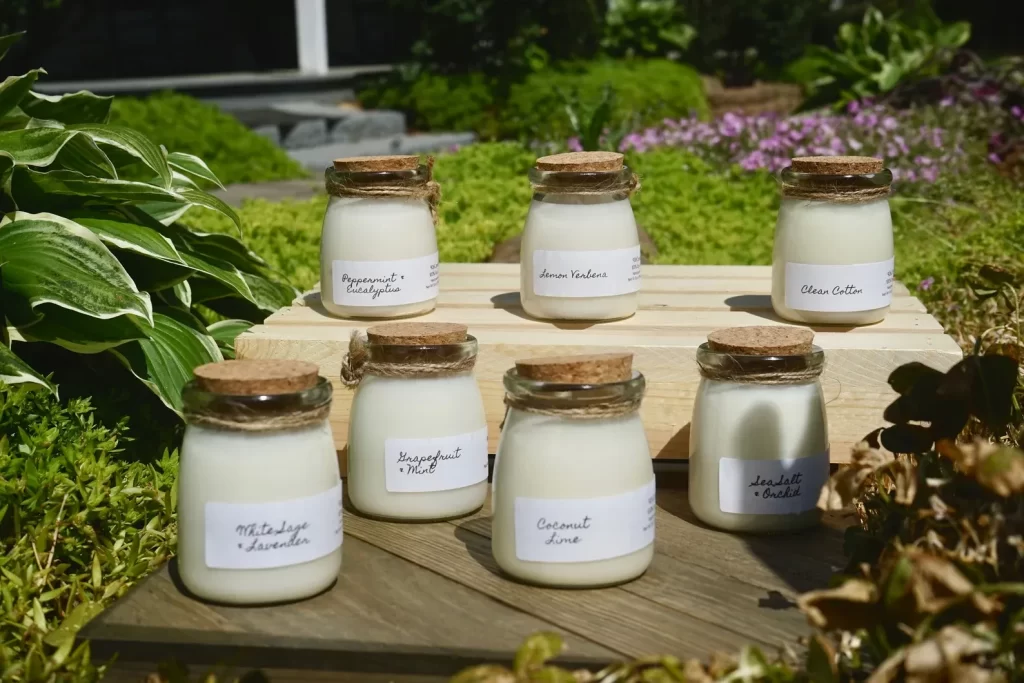
Soy wax is one of the most popular choices for small candle businesses. It is plant-based, burns slower than paraffin, and is often marketed as a cleaner, more eco-friendly option.
Soy candles appeal strongly to wellness-focused and environmentally conscious buyers. They are also beginner-friendly, making them easier to work with at home.
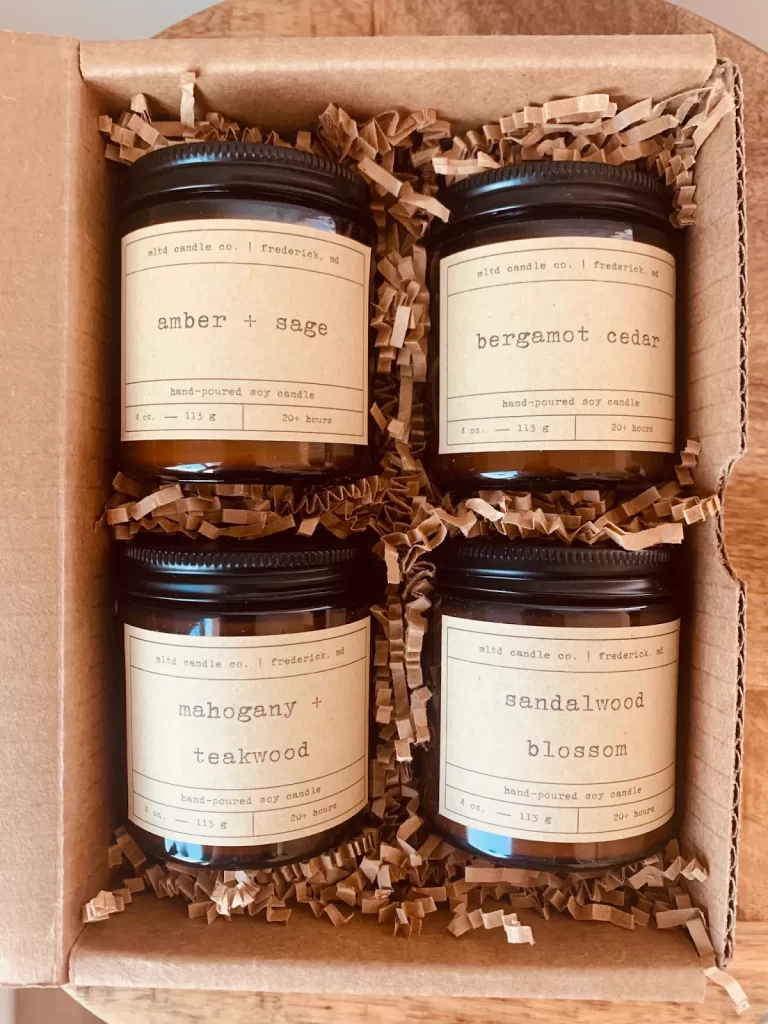
Beeswax is a premium wax option. It burns slowly, produces a natural honey-like scent, and is often associated with luxury or artisanal brands.
Beeswax candles typically cost more to produce, but they can command higher prices. They work well for brands focused on natural living, handmade craftsmanship, or gift products.
Paraffin wax is petroleum-based and widely used in mass-market candles. It offers excellent scent throw and is usually the cheapest option. However, it is less appealing to clean-label or eco-conscious buyers.
New candle businesses that use paraffin often compete on scent strength, design, or price rather than sustainability.
Scented, aromatherapy, and wellness candles
Scented candles make up the largest portion of the candle market, but not all scented candles serve the same purpose. The key difference lies in whether the scent is meant to smell good, create a mood, or support wellness habits.
Standard scented candles focus on fragrance appeal. These candles are designed to fill a room with pleasant scents like vanilla, lavender, citrus, or seasonal blends. They work well for everyday home use and gift purchases. Success in this category often depends on unique scent combinations and strong branding rather than complexity.
Aromatherapy candles are positioned around emotional or mental benefits. Scents such as lavender for relaxation, eucalyptus for clarity, or citrus for energy are commonly used. These candles attract wellness-focused buyers who associate scent with mood and self-care routines. Clear scent descriptions and intentional naming are especially important here.
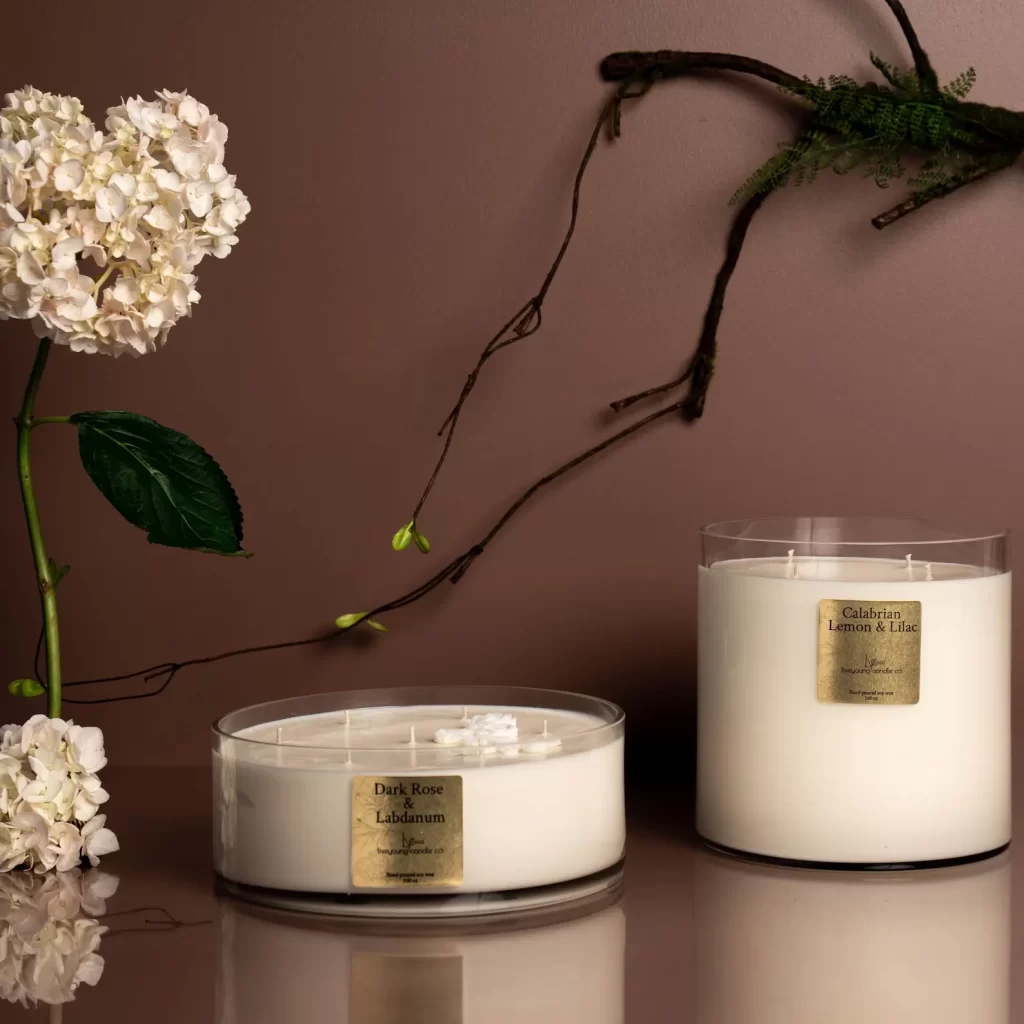
Wellness candles go a step further by aligning with lifestyle habits. They may include clean-burning wax, essential oils, minimalist packaging, or calming messaging.
These candles are often marketed as part of daily rituals like meditation, journaling, or evening wind-down routines. When done well, wellness candles can justify higher price points and build strong brand loyalty.
Decorative, novelty, and gift-focused candles
Decorative, novelty, and gift-focused candles prioritize appearance and emotional impact over scent performance alone. These candles are often bought for special occasions, home styling, or social gifting rather than daily use.
Decorative candles are designed to complement interior décor. Common styles include minimalist shapes, sculptural forms, and neutral color palettes. These candles appeal to design-conscious buyers who treat candles as visual accents. In many cases, customers may not even burn them, which reduces concerns about burn time or scent throw.
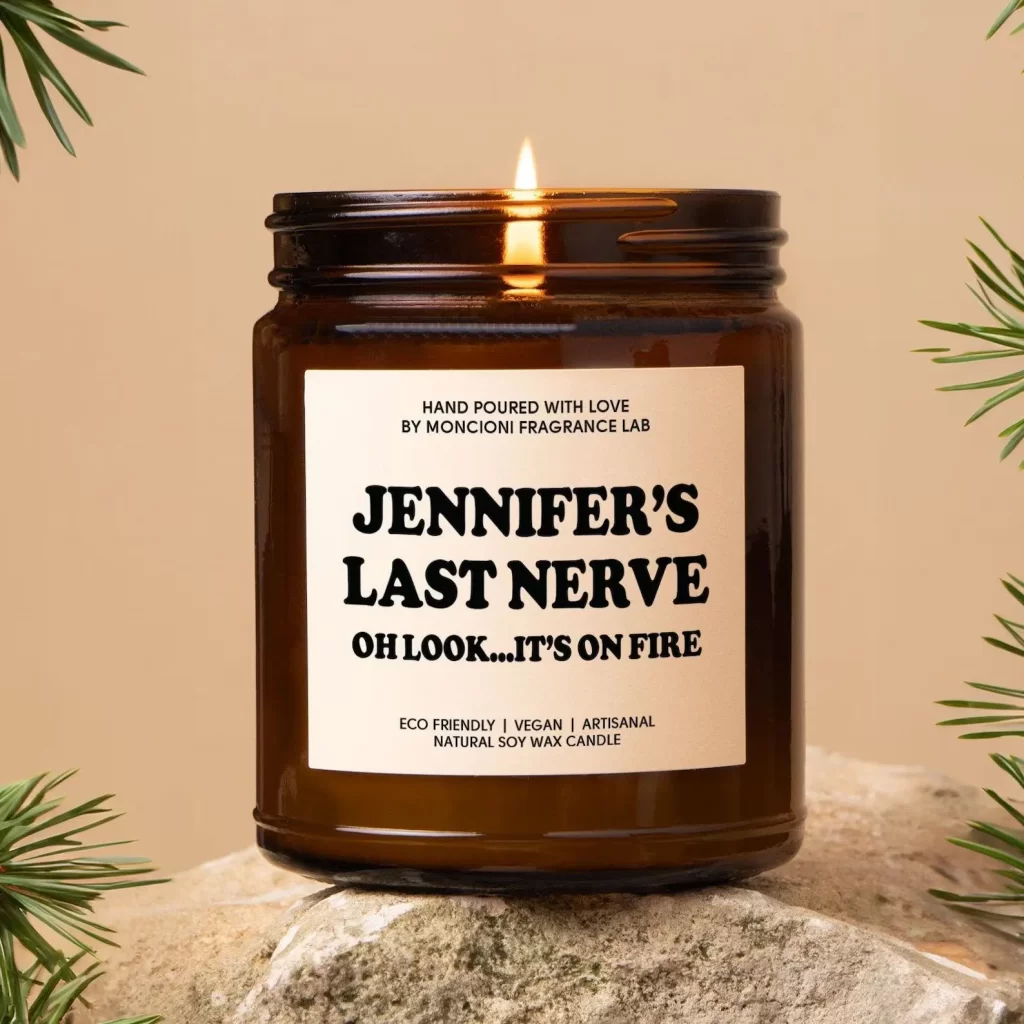
Novelty candles focus on uniqueness and personality. This category includes fun shapes, themed designs, humor-based candles, or viral social media styles. Novelty candles perform well on platforms like TikTok and Instagram, where visual appeal drives impulse purchases. However, trends change quickly, so constant testing is important.
Gift-focused candles are built around occasions such as birthdays, holidays, housewarmings, and self-care gifting. Packaging, messaging, and presentation matter as much as the candle itself. Simple scents paired with thoughtful labels or gift-ready boxes can significantly increase perceived value and conversion rates.
Vegan, eco-friendly, and clean-label candle options
Vegan, eco-friendly, and clean-label candles have grown rapidly as consumers become more conscious of what they bring into their homes. This category focuses less on novelty and more on values, transparency, and long-term trust.
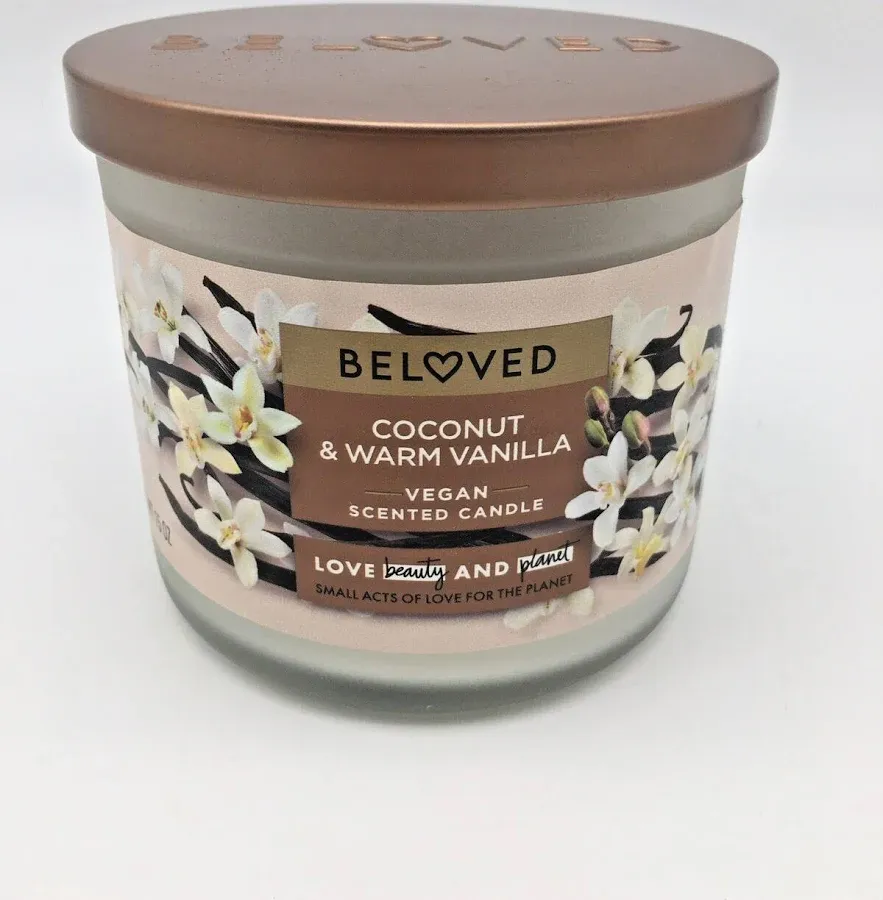
Vegan candles avoid animal-derived ingredients such as beeswax or certain fragrance additives. They are typically made with plant-based waxes like soy or coconut. These candles appeal to ethical consumers and brands that promote cruelty-free lifestyles. Clear labeling and ingredient disclosure are essential in this space.
Eco-friendly candles emphasize sustainability. This can include renewable wax sources, reusable or recyclable containers, cotton or wood wicks, and minimal packaging. Many buyers are willing to pay more for candles that align with environmental responsibility. However, claims must be honest and specific to avoid greenwashing.
Clean-label candles focus on what is not included. They are often marketed as free from phthalates, parabens, or synthetic additives. This category overlaps heavily with wellness branding and attracts health-conscious households. While clean-label candles may cost more to produce, they can support premium pricing and long-term brand credibility when backed by clear communication.
Read more: How to Start a 3D Painting Business from Home.
Grow Your Candle Business Beyond One Platform
As your candle brand gains traction, expanding to multiple sales channels helps stabilize revenue and reach new buyers. LitCommerce lets you manage and sell your candles across marketplaces and advertising channels from a single dashboard
How To Start A Candle Making Business – An A-Z Guide for Beginners
Once you understand what type of candles you want to sell, the next step is turning that idea into a real business. Starting a candle business works best when you follow a clear, step-by-step process instead of trying to do everything at once.
Many beginners make the mistake of focusing only on candle making. In reality, success comes from balancing product quality, cost control, branding, and early validation. You want to move quickly, but also intentionally, so you can learn from real customers without overspending.
The steps below are designed for starting small, especially if you are launching from home. Each step builds on the previous one and helps reduce risk. You do not need to complete everything perfectly before moving forward. The goal is progress, not perfection.
Step 1: Learn the craft properly
Before you sell a single candle, you need to understand how candle making actually works. This step is about building consistency, not perfection. Poorly made candles can tunnel, smoke, or burn unevenly, which quickly damages trust and leads to bad reviews.
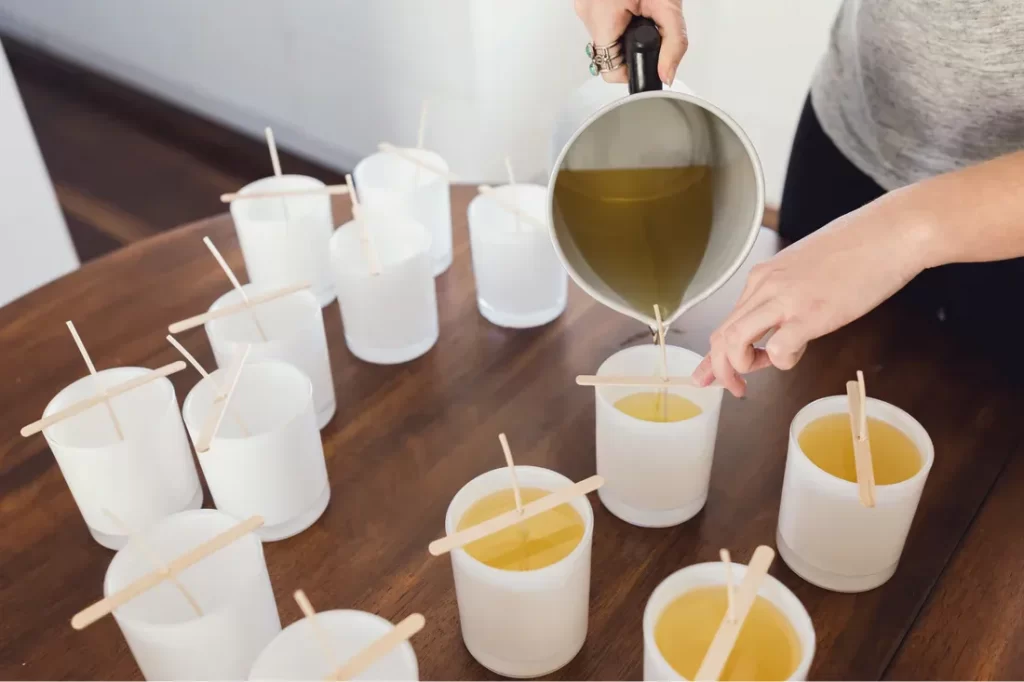
When learning how to start a candle business online, start by learning the basics of wax types, wick sizing, fragrance load, and burn safety. Each wax behaves differently, and small changes in temperature or ratios can affect performance. Practice with small test batches instead of jumping into large production runs.
Use reliable resources such as candle making books, supplier guides, and experienced creators who explain their process clearly. Avoid copying random recipes without understanding why they work. Taking notes during each test helps you spot patterns and improve faster.
This step may feel slow, but it saves money and frustration later. A well-made candle is easier to sell, easier to price, and easier to scale. Once you can consistently produce candles that burn cleanly and evenly, you are ready to move on to market research.
Check our guide on How to Start a Craft Business and Make It Profitable.
Step 2: Research market and niche
Before you melt another batch of wax, pause and look at what people are already buying. A lot of new sellers design candles based on what they personally love. That can work, but it is risky. What matters more is how real buyers behave when money is involved.
Spend time watching the market instead of trying to out-design it. Open Etsy, Amazon, Instagram, or TikTok and type in broad terms like “soy candle,” “scented candle,” or “gift candle.” Notice which products keep showing up. Look at listings with high ratings and a large number of reviews. Those products are not there by accident. They represent proven demand.
Instead of asking, “Do I like this design?” ask yourself, “Why are so many people buying this?” Pay attention to patterns. Are minimalist labels common? Do certain scent themes appear repeatedly? Are most best sellers priced in a narrow range? These details tell you far more than scrolling through pretty photos.
When you approach research this way, you stop guessing and start seeing the market clearly. That clarity makes every decision afterward—pricing, branding, and product design—much easier.
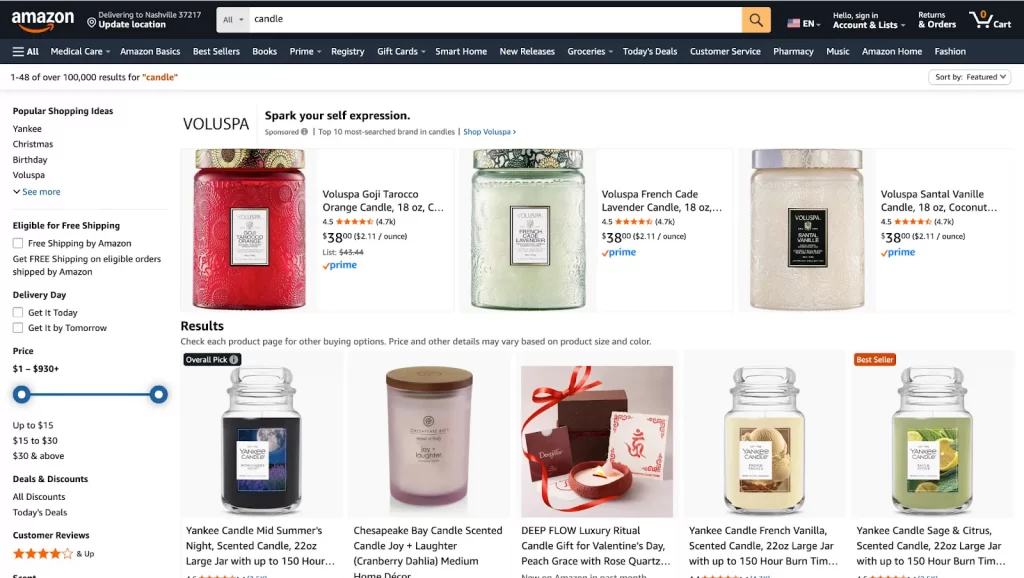
Take notes on container style, wax type, scent themes, price range, packaging feel, and the keywords used in titles. This shows you what buyers are already responding to.
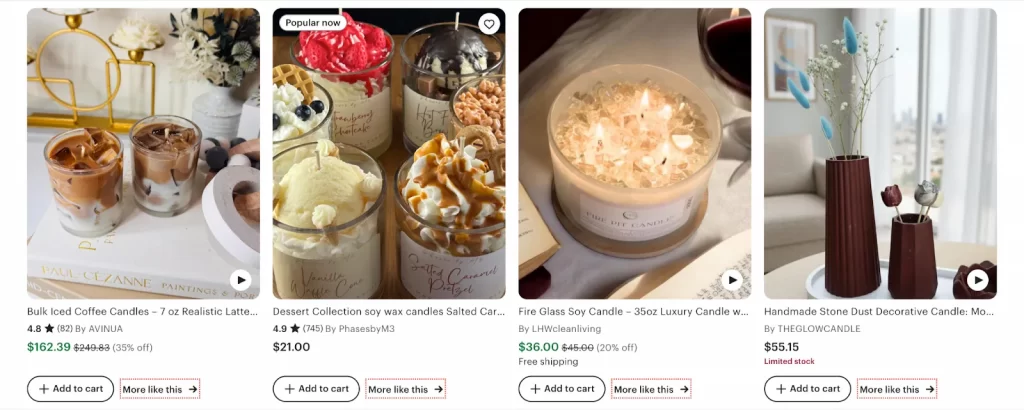
Next, mine customer reviews for gaps and pain points. Reviews often reveal opportunities that product photos never show. As you read through 20 to 50 reviews per top product, look for repeated phrases about what people love and what they wish were different. Comments like “too strong for small rooms,” “wish it came gift-ready,” or “label felt cheap” point directly to unmet needs. Repeated complaints are some of the strongest signals you can use to shape your own product.
Once you see patterns, narrow your focus to a clear, specific niche. Successful candle brands are rarely for everyone. Instead, they serve a recognizable audience with shared needs or values. Your niche might be based on lifestyle, such as desk candles for remote workers, values like eco-friendly soy candles for small apartments, or occasions like gift-ready birthday or zodiac candles. A good test is whether you can describe your brand in one sentence: “I make [type] candles for [who] who care most about [benefit].”
Finally, check demand signals before committing. Look at search suggestions on Google or Etsy to see what phrases autocomplete. Scan social platforms for engagement on hashtags related to your idea and note what small brands, not just big ones, are gaining traction.
If you see multiple sellers succeeding with similar positioning, that is a strong signal demand already exists. Your goal is not to invent a new category, but to position your candles in a way that feels specific, intentional, and clearly valuable to a defined audience.
Step 3: Design a simple product line
When starting a candle business, less is almost always better. A simple product line helps you control costs, maintain quality, and understand what customers actually want. Offering too many scents or styles too early often leads to wasted inventory and confusion.
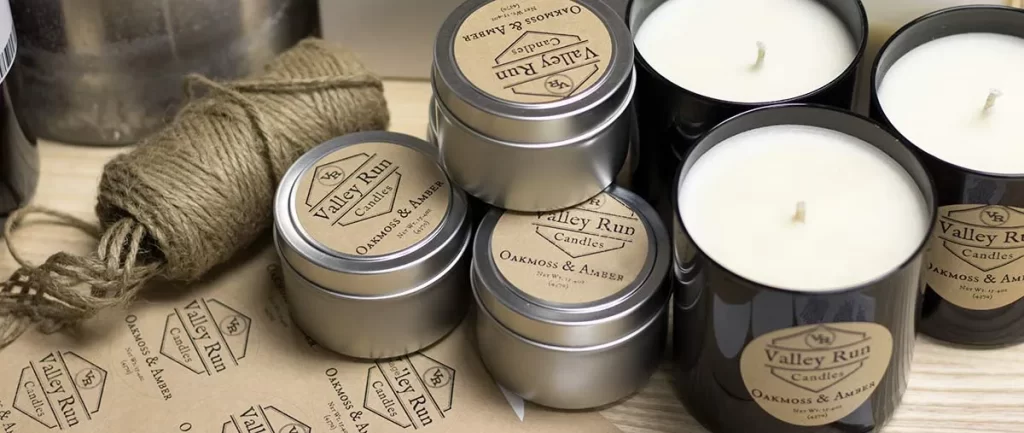
When you are just starting out, it is tempting to create ten scents, three jar sizes, and a seasonal collection right away. Try not to. In the beginning, simplicity is your biggest advantage.
A small, focused product line makes everything easier. It keeps your costs predictable, your production manageable, and your message clear. If you offer too many options too soon, you will likely end up with slow-moving inventory and no clear idea of what customers actually prefer.
Think in terms of a tight starter collection. One candle type. Two to four scents. That is more than enough to begin. It gives buyers some choice, but not so much that they feel overwhelmed. More importantly, it gives you clean data. You will quickly see which scent people reorder and which one just sits there.
Consistency also helps more than you think. Using the same jar style, label layout, and general look across your line makes your brand feel intentional. It also simplifies sourcing and production, which saves you time and reduces mistakes.
Here is a good test: can you describe your candle line in one clear sentence? If you cannot explain what makes it different without listing five features, it is probably too complicated. The clearer your product line feels at the start, the easier it becomes to price, market, and scale later.
Step 4: Source materials and equipment
When you start buying supplies, it is easy to think bigger is better. Bulk discounts look attractive, and large orders can feel like progress. In reality, what you need at this stage is not volume. You need consistency and reliability.
Focus on getting materials that behave predictably. A stable wax, dependable fragrance oils, properly sized wicks, and containers that do not crack under heat matter far more than saving a few cents per unit. Buying in smaller quantities keeps your risk low and gives you room to test without tying up too much money.
It also helps to buy from suppliers who specialize in candle making rather than random online marketplaces. Dedicated suppliers usually provide better documentation, wick guides, and usage recommendations. That guidance can save you hours of trial and error and prevent costly mistakes during testing:
- CandleScience. Specializes in candle supplies only (soy/paraffin wax, wicks, fragrance oils, jars, starter kits) and lab‑tests products, often recommended as the best starting point for beginners.
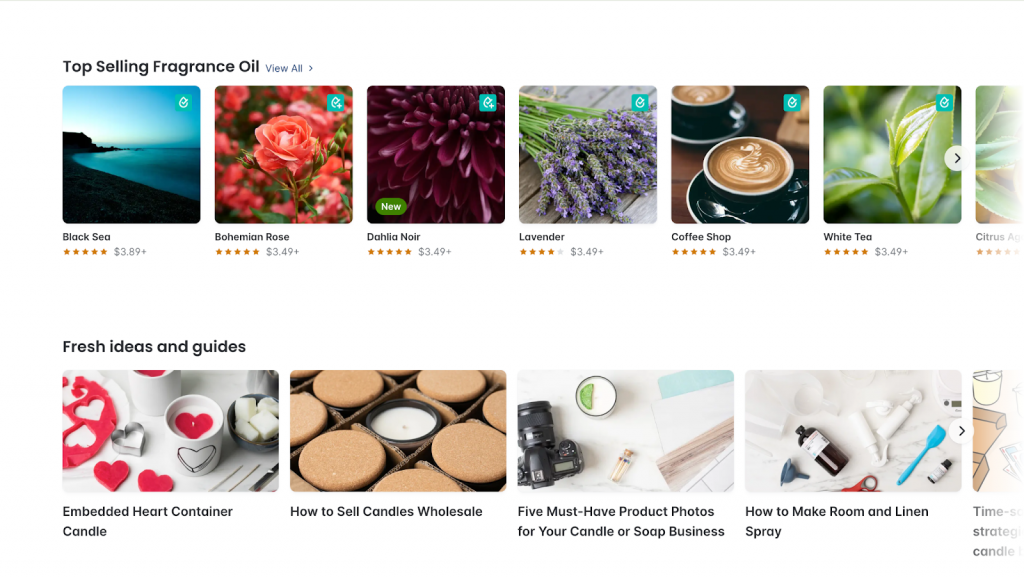
- Lone Star Candle Supply. Large inventories of wax, fragrance oils, wicks, molds, and containers, plus starter kits and sample packs for new makers.
- Makesy. Higher‑end, eco‑focused supplier with non‑toxic wax blends, premium vessels, wicks, and luxury‑style fragrance oils.
- Midwest Fragrance Company. Known mainly for fragrance oils but also sells other candle‑making supplies and is frequently recommended for strong, complex scents.
- Wicks & Wax, Nature’s Garden, and other regional suppliers. Offer wax, wicks, fragrances, and tools, often with beginner‑friendly kits and education
Pay attention to material compatibility. Not all wicks work well with every wax or container size. Fragrance oils also behave differently depending on wax type. Many suppliers provide wick and fragrance recommendations, which can save time during testing.
Avoid over-investing in equipment early. You do not need automated machines or large melters at the beginning. Hand-pouring small batches is enough to validate your idea. Once demand is proven, you can gradually upgrade your tools without unnecessary risk.
Step 5: Create and test your recipes
This is the moment where your candle stops being a fun experiment and starts becoming a real product. A “recipe” is not just the scent you chose. It is the exact wax, fragrance percentage, wick size, container, pouring temperature, and even how long you let it cure. When those elements stay consistent, your results do too.
Instead of testing everything at once, begin with one solid base formula for each candle type. Then adjust one variable at a time. Try slightly different fragrance loads within safe limits and see how the scent performs. Notice how the melt pool forms. Pay attention to how strong the scent feels in a small room versus a larger space. Write everything down. The smallest changes in temperature or wick size can completely alter performance.
Burn testing is where most beginners get impatient. Do not. Light your test candles for several hours at a time, over multiple sessions. Watch for tunneling, soot, uneven melting, or a weak hot throw. A candle that looks good on top but burns poorly halfway through is not ready to sell.
Taking your time here protects you later. Untested candles can lead to complaints, refunds, or worse, safety problems. Once you have one or two recipes that burn cleanly and consistently every single time, you will feel the difference. At that point, you are no longer guessing. You are building on something solid.
Step 6: Validate demand on at tiny scale
Before you officially “launch,” you want one simple thing: proof that strangers are willing to pay for your candles. Not polite compliments. Not supportive friends. Real purchases.
It is easy to fall in love with your own product. Validation protects you from building a business around taste that only you share. The goal at this stage is not big revenue. It is clarity.
Instead of producing a large batch, make a small run and put it in front of real buyers. That might mean a weekend market, a basic Etsy listing, a local Facebook group, or even a limited Instagram drop. Keep it simple. You are testing behavior, not trying to look like a major brand.
Watch what actually happens. Which scent sells out first? Which one gets ignored? Do people hesitate at a certain price? What questions keep coming up? Comments like “Do you have this in a gift box?” or “Is this safe for small rooms?” tell you more than “This smells nice.”
The strongest signal is repeat behavior. If someone comes back for the same scent or asks when it will be restocked, that is demand. When interest starts coming from people outside your immediate circle, you know you are building something real. That is when you can move forward with much more confidence.
Step 7: Set pricing and basic costs
Pricing your candles correctly is essential for long-term sustainability. Many beginners underprice their products by focusing only on wax and fragrance, while ignoring labor, packaging, and platform fees. This often leads to burnout or businesses that struggle to grow.
You need to calculate your true cost per candle. For example, an 8 oz soy candle might cost around 0.40 USD for wax, 0.60 USD for fragrance oil, 0.30 USD for the wick, 1.20 USD for the container, 0.30 USD for the lid, 0.20 USD for the label, and 0.60 USD for basic packaging.
If you sell online, payment processing and marketplace fees can easily add another 1.80 USD per candle. Before labor, this already puts your cost at roughly 5.40 USD per candle.
Next, factor in your time. Even if you work from home, your labor still matters. If you make 20 candles in two hours and value your time at 15 USD per hour, your labor cost is about 1.50 USD per candle. That brings your true cost to approximately 6.90 USD per candle. Paying yourself more simply raises this number, and your pricing should reflect that.
Once you know your real costs, research competitor pricing within your niche. Many handmade 8 oz soy candles sell in the 15–25 USD range, depending on branding, vessel quality, and positioning. Pricing an all-in 6.90 USD candle at 18–22 USD gives you a 60–70% margin, which is typical for sustainable small candle brands.
Avoid racing to the lowest price. Healthy candle businesses price for flexibility, not volume. When your margins allow room for marketing, reinvestment, and mistakes, you build a business that can actually grow instead of one that only survives.
Step 8: Build a simple brand
Your brand is not just a logo or a color palette. It is how customers feel when they see, use, and talk about your candles. At the beginning, your goal is clarity, not perfection.
Decide who your candles are for and why they exist. This could be about relaxation, gifting, sustainability, or home aesthetics. When your message is focused, customers understand your value faster.
Keep your visual identity simple. Choose one jar style, a clean label design, and consistent fonts or colors. Professional-looking packaging builds trust, even for small home-based brands. Avoid changing your look too often, as consistency helps recognition.
Your brand voice matters as well. Product descriptions, scent names, and social posts should all sound like they come from the same place. A simple, honest brand is easier to grow than one built on trends or complicated messaging.
Step 9: Handle legal basics
Taking care of legal basics early protects you, your customers, and your business. You do not need to overcomplicate this step, but you should not ignore it either. Candles involve open flames, so safety and compliance matter.
You must check local regulations for home-based businesses. Some areas require a basic business license or permit, even if you sell online. If you plan to sell at markets or fairs, organizers may also ask for proof of registration.
Product liability insurance is strongly recommended. It helps protect you in case a candle causes damage or injury. Many small candle businesses start with affordable coverage designed for handmade products.
You should also follow basic labeling standards. Labels typically include your business name, location, net weight, and safety warnings. Clear instructions help reduce misuse and show professionalism. Once these basics are in place, you can choose where and how to sell with confidence.
Step 10: Choose where you will sell
Where you decide to sell shapes in almost every part of your candle business. Pricing, branding, margins, and even the kind of feedback you receive will depend on the channel you choose. In the beginning, resist the urge to be everywhere at once. One or two focused channels are easier to manage and help you learn faster.
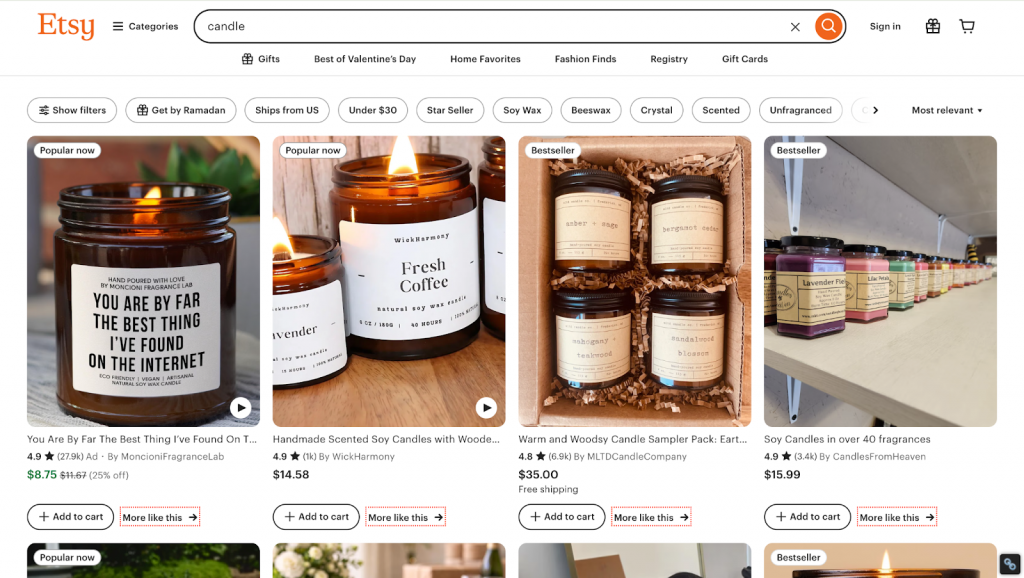
Online marketplaces like Etsy are a common starting point because they come with built-in traffic. You can test your scents, pricing, and product descriptions without first building an audience from scratch. The trade-off is competition and platform fees, which means your positioning needs to be clear and intentional.
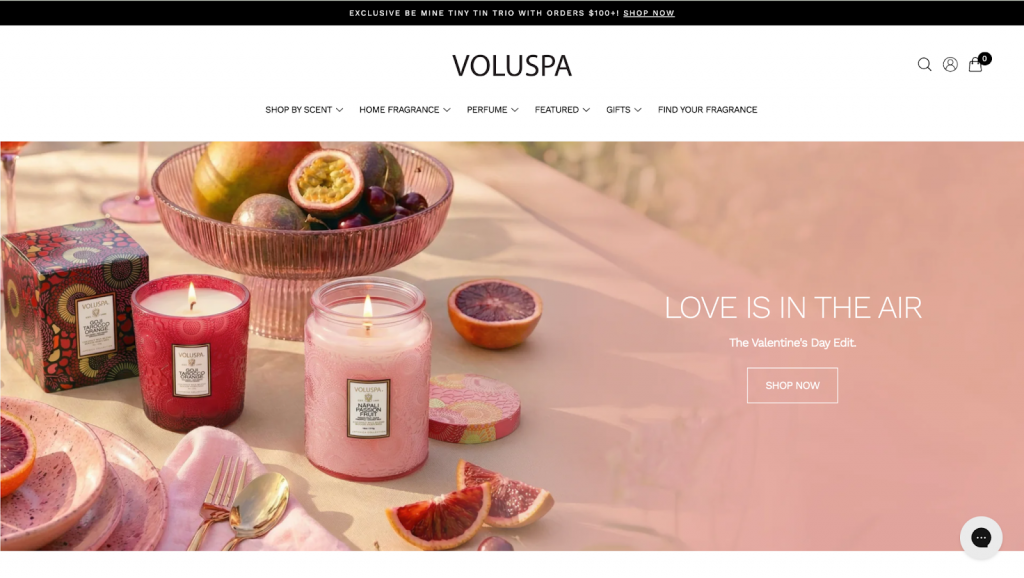
Selling through your own website gives you more control. With platforms like Shopify, you own the customer relationship and can shape the full brand experience. However, you are also responsible for bringing in traffic through social media, content, email, or ads. This approach works especially well once you understand who your buyers are and how they find you.
Offline channels still matter, too. Local markets, pop-ups, and small retail partnerships give you something online stores cannot: real-time reactions. You get to hear what people say, see what they pick up first, and understand buying behavior in a very direct way.
As your business grows, you may want to expand to multiple channels instead of relying on just one. Managing listings, inventory, and orders across platforms can quickly become overwhelming if done manually.
Tools like LitCommerce help you list and sync your candle products across marketplaces from one centralized dashboard, so you can keep inventory accurate and avoid overselling. This makes multichannel selling far more manageable as you scale.
Offline options like local markets, pop-up events, or small retail partnerships are also valuable. They allow face-to-face feedback and help you see how customers react in real time. Choosing the right sales channel helps you launch smarter and learn faster.
Step 11: Launch small and collect real data
Your first launch does not need to be perfect. In fact, it should be small on purpose. A controlled launch helps you observe real customer behavior without overwhelming yourself or your budget.
Release a limited number of candles and focus on selling them through your chosen channel. Track what sells, how long it takes, and what questions customers ask. Pay attention to scent preferences, pricing reactions, and packaging feedback.
Data at this stage is more important than aesthetics. Sales numbers, repeat buyers, and customer messages reveal what is working. Even low sales provide useful information if you look closely and adjust accordingly.
Avoid making big changes based on one opinion. Look for patterns over time. When customers consistently respond well to certain scents or styles, you have a clear direction for improvement and growth.
Step 12: Improve and then scale
Once you have real sales data, your focus should shift from experimenting to improving what already works. Scaling too early can amplify mistakes, while thoughtful improvement builds a stronger foundation.
Start by refining your best-performing products. Improve scent consistency, packaging durability, or production efficiency based on customer feedback. Remove products that do not sell well and double down on those that do. Fewer, stronger products are easier to scale than a scattered catalog.
Next, build simple systems. This could mean batching production, organizing inventory more clearly, or documenting your pouring and packaging process. Repeatable routines reduce errors as order volume grows and make scaling less stressful.
Only scale when demand is steady. Scaling can mean increasing batch sizes, expanding to a second sales channel, or introducing one new scent. Growth should feel controlled and strategic, not chaotic. When improvement leads to scaling, your candle business becomes more stable and profitable.
Tips to Succeed in Selling Candles Online
Making good candles is only half of the equation. Long-term success depends on how effectively you promote and distribute them.
Start with simple promotion strategies. Use short-form videos to show your pouring process, scent inspiration, or packaging experience. Highlight lifestyle benefits such as relaxation, focus, or gifting. Encourage customer reviews and user-generated content to build trust. Consistent messaging and clear positioning matter more than complex marketing funnels in the early stages.
Next, think beyond a single sales channel. Relying on only one platform limits your reach and increases risk. Many successful candle brands sell on Etsy, their own website, and social commerce channels simultaneously. Multichannel selling allows you to reach different customer segments and stabilize revenue streams.
However, managing multiple platforms manually can quickly become overwhelming. This is where tools like LitCommerce can support your growth. With LitCommerce, you can list and sync your candle products across multiple marketplaces from one centralized dashboard, keep inventory consistent, and avoid overselling. This makes it easier to test new channels, expand internationally, and scale your candle business without adding unnecessary operational complexity.
When strong products, smart promotion, and multichannel selling work together, your candle business becomes more resilient and scalable over time.
Sell Candles Across Multiple Channels
Once your candle business is ready to grow, selling on just one platform can limit your reach. With LitCommerce, you can list and manage your candles across multiple marketplaces and sales channels from one place
How To Start A Candle Business: Frequently Asked Questions
1. Is candle making a good business for beginners?
Candle making is considered one of the most beginner-friendly product businesses. The startup costs are relatively low, the production process is easy to learn, and you can operate from home without specialized facilities. This makes it accessible for first-time entrepreneurs.
2. How much money do you need to start a candle business?
The amount of money needed to start a candle business depends on how small you begin. Many people start with a budget between $200 and $500, which is enough to cover basic supplies, testing materials, and simple packaging.
This budget typically includes wax, fragrance oils, wicks, containers, labels, and basic tools like a scale and pouring pitcher. Selling through platforms like Etsy or local markets helps avoid high upfront marketing or website costs.
3. What candle scents sell best?
Some candle scents consistently perform well across different markets and seasons. Popular choices include vanilla, lavender, eucalyptus, citrus, sandalwood, and seasonal blends like pumpkin spice or pine. These scents are familiar, comforting, and easy for customers to imagine before buying.
4. Do you need a license to sell candles?
In many regions, you need some form of business registration to sell candles legally, even if you operate from home. This could be a basic business license, sole proprietorship registration, or local permit, depending on where you live.
5. How much profit can a candle business make?
The profit a candle business can make varies widely based on pricing, costs, and how well the brand is positioned. On average, handmade candles often have profit margins between 50% and 70% when priced correctly and sold directly to consumers.
How To Start A Candle Business At Home: Key Takeaways
Starting a candle business from home in 2026 is still a realistic and rewarding path, especially when you approach it with a clear plan. You do not need a huge budget, a complicated product catalog, or advanced equipment to begin. What matters most is consistency, focus, and a willingness to learn from real customer behavior.
Strong candle brands usually start small. You pick one clear candle type, test a limited number of scents, and validate demand before expanding. That approach lowers your risk and helps you create products people genuinely want to buy. Clear branding, thoughtful pricing, and reliable quality make a bigger difference than offering endless variations.
As your sales grow, think beyond a single platform. Expanding to multiple marketplaces can help you reach new audiences and stabilize revenue. Instead of managing each channel manually, you can use LitCommerce to list and sync your candle products across platforms from one place, keeping inventory accurate and operations manageable.
With steady improvement, smart promotion, and the right systems in place, your home-based candle business can grow into something far bigger than a side project.