



3D printing is no longer just a hobby for tech lovers. Thanks to its ability to create unique, customized designs, it has become a promising business idea. Interested in this opportunity, but don’t know where or how to start a 3D printing business?
In this guide, you’ll learn everything you need to start a 3D printing business from home on a budget. We’ll walk you through the key steps, including:
- Step 1: Find your niche
- Step 2: Choose the right equipment
- Step 3: Prepare your workspace
- Step 4: Legally establish your business
- Step 5: Build your 3D printing products
- Step 6: Set up your sales channels
Whether you want a side hustle or build a full-time business, this step-by-step guide will help you turn your 3D printer into a real income stream. Let’s get started!
Key Takeaways:
Sell Your 3D Printed Products Everywhere
With LitCommerce, you can easily list your 3D printing products on multiple marketplaces like Etsy, eBay, Amazon, and TikTok Shop while syncing inventory and managing orders in one place.
How to Start a 3D Printing Business in 2026?
If you’re wondering how to start a 3D printing business in 2026, this step-by-step guide will show you exactly where to begin and how to make the first sales.
Step 1: Find your niche
Defining your niche is the 1st step to building a successful 3D printing business. Instead of printing random designs, choose a niche where items can solve real problems and have a high demand. These products are usually easier to generate sales.
Start by researching top marketplaces for selling products like Etsy, eBay, and Amazon to see which 3D printed products have strong sales and many reviews. This helps you identify items people are already buying.
You can also use tools like Google Trends to see if interest in a product is growing, and Pinterest Trends to discover popular ideas in categories like home decor, gifts, and lifestyle products.
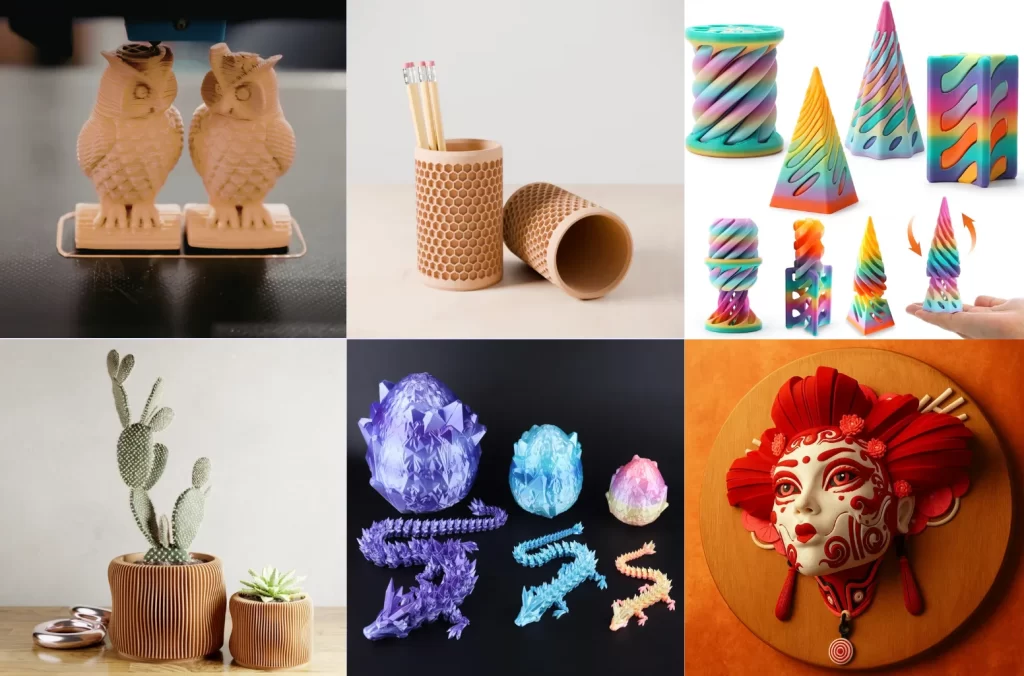
In 2026, some of the top 3D printing business ideas include:
- 3 printed toys: puzzles, fidget toys, printed animals, and collectible figurines.
- Custom functional gadgets & organization: Storage organizers or desk accessories.
- Replacement parts: Remote control (RC) car parts, automotive clips, or appliance knobs.
- Gaming accessories: Controller stands, headset holders, and game card organizers.
- Phone accessories: Custom phone cases, phone stands, and charging docks.
- Cosplay accessories: Masks, props, armor pieces, and detailed costume parts.
- Home & garden decor: Vases, wall art, festive decorations, plant markers, and small planters.
- Pet accessories & personalized toys: Custom pet tags, feeding scoops, chew toys, and name-engraved items.
Moreover, the 3D printing business can also be divided into products at the customer-level or industry-level, and the kind of products you choose can affect how much it costs to start your business.
Step 2: Choose the right 3D printers and filaments
Next, choose the right equipment for your business. To build a successful 3D printing business, you need reliable 3D printers and the right filaments, which are the material your printer melts to create objects. Your printer affects print quality and speed, while your filament determines strength, durability, and finish.
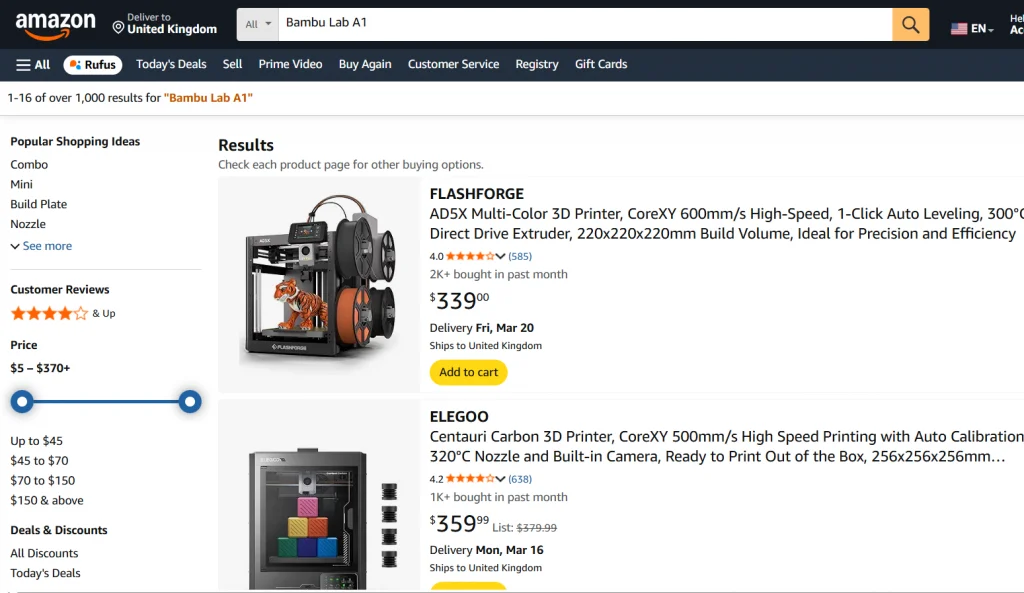
If you’re a beginner, start with a dependable FDM printer that fits your budget. Many quality models are available under $1,000. Popular options include:
- Bambu Lab A1: known for its smart features and consistent print quality.
- Creality Ender 3 V3 SE: affordable and beginner-friendly.
- Elegoo Centauri Carbon offers strong performance for small-business production.
Filament usually costs around $20-$30 per kilogram. Different materials serve different purposes. Here are some popular kinds of filament:
- PLA is affordable and easy to print, making it ideal for decor, toys, and lightweight items.
- PETG is stronger and more durable, suitable for functional parts and outdoor use.
- ABS offers higher heat resistance, making it better for mechanical or automotive parts, though it requires more experience to print.
When choosing the equipment for your 3D printing business, track your material usage carefully. Knowing your filament cost per product helps you price correctly and protect your profit margin.
Step 3: Prepare your workspace
Creating a safe workspace in a 3D printing business is essential. 3D printers melt plastic at high temperatures, which can release fumes. To protect your health and maintain good air quality, make sure your workspace has proper ventilation. You can use open windows, exhaust fans, or air filtration systems to improve airflow.
You should also prepare enough space for your printers, materials, and finished products. Leave room to move around comfortably and organize tools neatly. A clean and well-arranged setup helps prevent accidents and improve efficiency. A safe and organized workspace will help your operations run smoothly as your business grows.
Step 4: Legally establish your business
Now that you have basically prepared the essentials to get started, it’s also important to take care of a few legal steps to protect your 3D printing startup.
- Respect intellectual property: This is especially important in 3D printing. When choosing which 3D models to print, avoid selling products based on copyrighted characters, logos, or brand designs unless you have permission. Focus on your own designs or files that include a commercial license. This helps you avoid copyright problems later.
- Register your business: Even if you run your business from home, you may still need to register it. Many beginners start as a sole proprietorship because it is simple and low-cost.
- Understand sales tax: Depending on your location and where you sell, you may need to collect sales tax. The good news is that many marketplaces, like Etsy, automatically collect and remit sales tax in certain regions.
- Follow product safety rules: If you sell products for children, ensure the materials you use meet the safety standards in your market.
Step 5: Build your 3D printing products
The next step in learning how to make a 3D printing business is creating the products you plan to sell. This usually starts with choosing the right software and developing your designs.
First, set up 3D design and slicing software. Design tools help you create or edit models, while slicers prepare the files for printing. Beginner-friendly tools like Tinkercad are great for simple designs, and slicers such as Cura or Bambu Studio help convert models into printable layers. Learning your slicer is important because it affects print quality and speed.
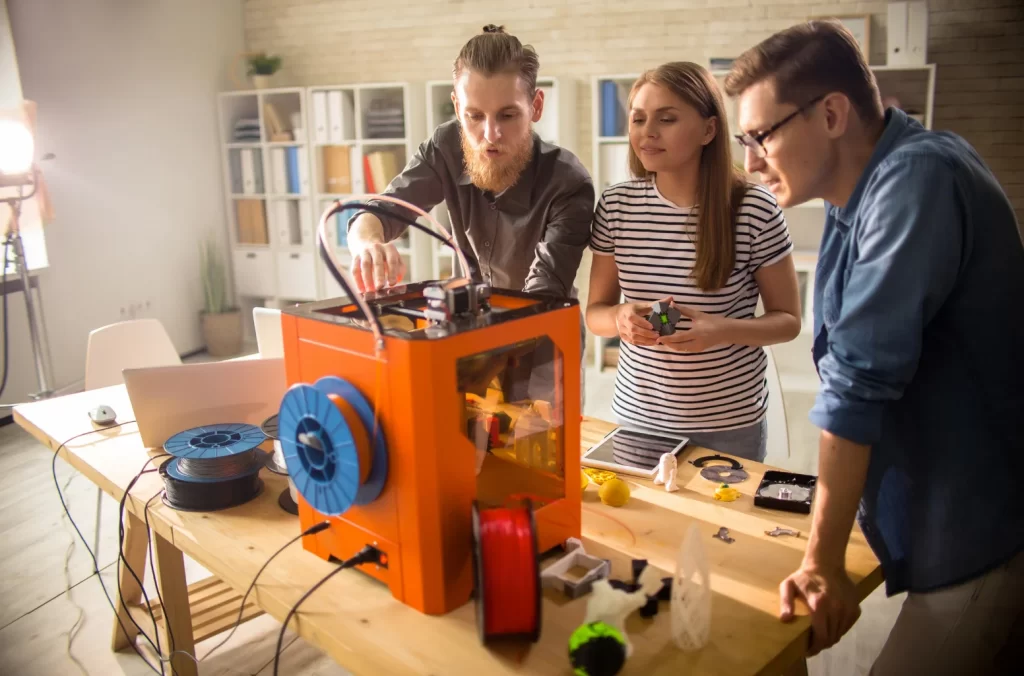
If you are not a 3D designer, you can license ready-made models from professional creators. Many platforms offer commercial-use files for about $30, allowing you to print and sell the products legally.
Moreover, focus on building products that solve problems in your niche. For example, you might create cable organizers, controller stands, or small home accessories. Useful products are more likely to attract buyers and help your 3D printing business grow.
Step 6: Set up your 3D printing stores
After preparing your product samples, the next step is to set up your stores and promote your 3D printing products.
Here are the places where you can set up your stores when you search for how to start a 3D printing business, so you can get your first sales as soon as possible:
- List your products on online marketplaces such as Etsy, Amazon, eBay, or TikTok Shop. These platforms already have active buyers, making it easier to gain visibility. This strategy, called multichannel selling, allows you to list products across multiple marketplaces.
- Build your own website: To build your own website, you can use an eCommerce platform. This website lets you showcase your catalog, share product details, and build a stronger brand identity.
In addition to setting up your store, you can also leverage other platforms to promote your products. Marketing helps you reach more potential customers. Here are 2 main ways to promote your products:
- Promote your products on social media: Platforms like Instagram, TikTok, and Facebook help you showcase your printing process, finished products, and customer reviews while connecting directly with potential buyers.
- Attend local trade shows, maker fairs, or industry events: These are the places where you can network with your potential partners or even meet customers in person.
While marketing your product, consider also offering limited-time discounts or bundle deals. This can help attract new buyers and boost sales.
Grow Your 3D Printing Business Faster
LitCommerce helps you expand beyond a single platform by listing your 3D printed products across multiple sales channels while keeping inventory and orders fully synced.
And that’s it! These are the 6 basic steps to start your 3D printing business.
How Much Does It Cost to Start a 3D Printing Business?
So, you’ve learned the steps on how to start a 3D printing business; now, let’s find out how much you need to start this business. The good news is that you can start a 3D printing business from home on a small budget, often for under $1,000.
Here’s a simple breakdown of the main expenses:
- 3D Printer (usually your biggest expense): $250 – $600. A beginner printer like the Bambu Lab A1 or similar entry-level models is enough to start.
- Filament (materials): $50 – $100. You can start with basic PLA filament in common colors like black or white.
- Tools & workspace supplies: $50 – $100. Basic tools for cleaning prints and organizing your setup.
- Packaging & shipping materials: $50 – $130. For example, boxes, tape, and filler for sending products to customers.
- Software: Free. Many beginners use free tools like Tinkercad, Blender, or Cura.
In total, you can realistically launch a small 3D printing business for about $400-$800. Many successful sellers start with just one printer and scale up as their sales grow. Or if you want a faster start, you can invest $2,000 or more to buy multiple printers, more materials, and better tools to increase production capacity from the beginning.
3D Printing Business: 3 Top Successful Stories to Learn
To see how these business models work in real life, let’s look at a few case studies of successful 3D printing businesses.
1. Crafts3D.com – 3D printed toys
Looking for how to start a 3D printing business from home? Look at Crafts3D, this is a family-run 3D printing business that started in 2020 with a single printer at home. The brand sells 3D-printed toys, fidget items, and collectible figures, with articulated dragons as their most popular products.
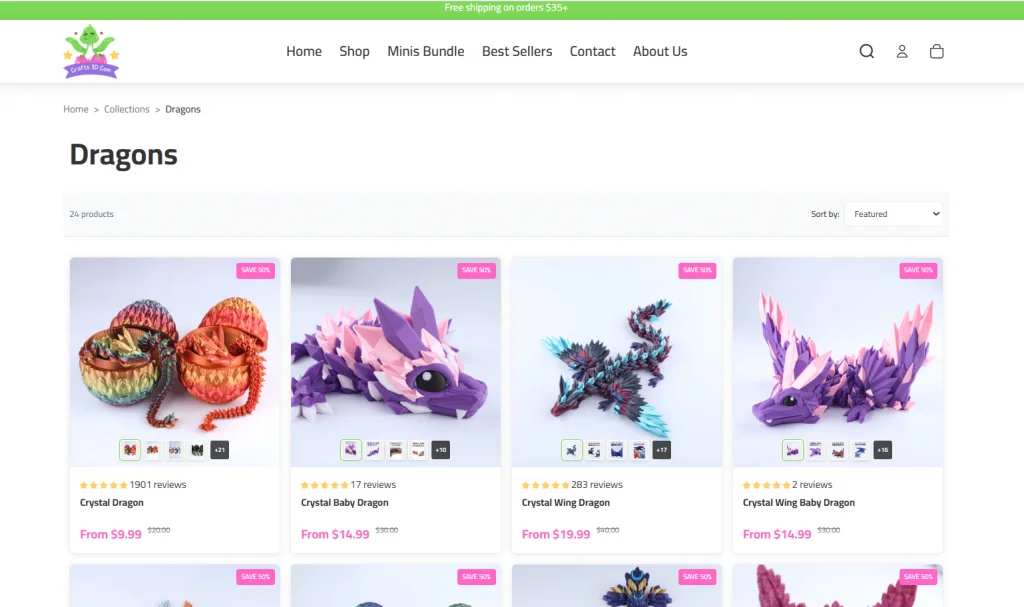
Their Etsy shop has also grown quickly, reaching over 22,400 sales and more than 4,700 reviews. Today, Crafts3D operates multiple printers to keep up with demand and works with licensed designers to legally print and sell their models. This shows how a simple hobby can grow into a successful 3D printing business.
2. Zellerfeld – Fully 3D printed shoes
Zellerfeld is a footwear company that creates fully 3D-printed shoes, produced as a single piece using advanced digital technology. Instead of relying on traditional factories, glue, and mass shipping, Zellerfeld prints shoes on demand, reducing waste and simplifying production.
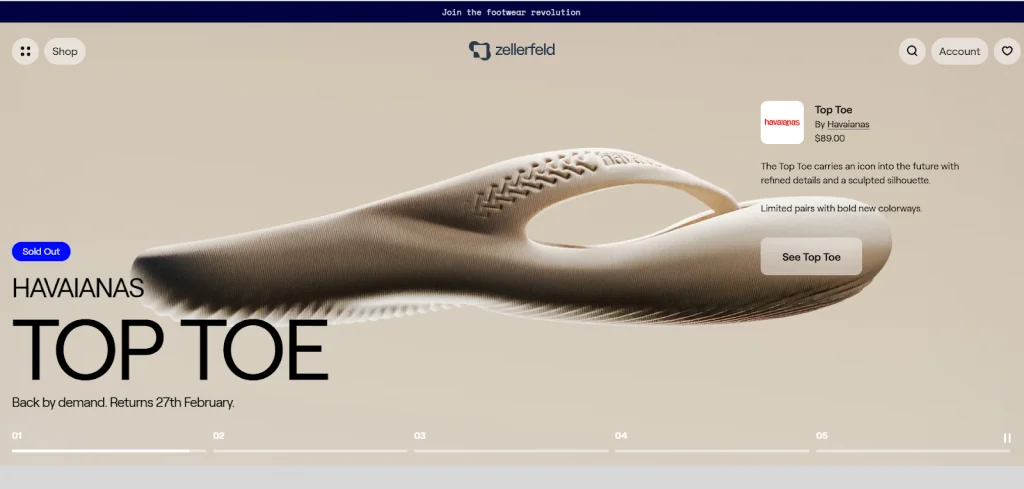
The brand believes that just as music, photos, and communication became digital, physical products should evolve too. At its core, Zellerfeld stands for innovation, sustainability, and personal expression – using 3D printing to transform shoes into the first step toward a more efficient, creative, and environmentally responsible future of manufacturing.
3. Modernized Pottery – 3D home decor
Another successful story of building a 3D printing business is Modernized Pottery.
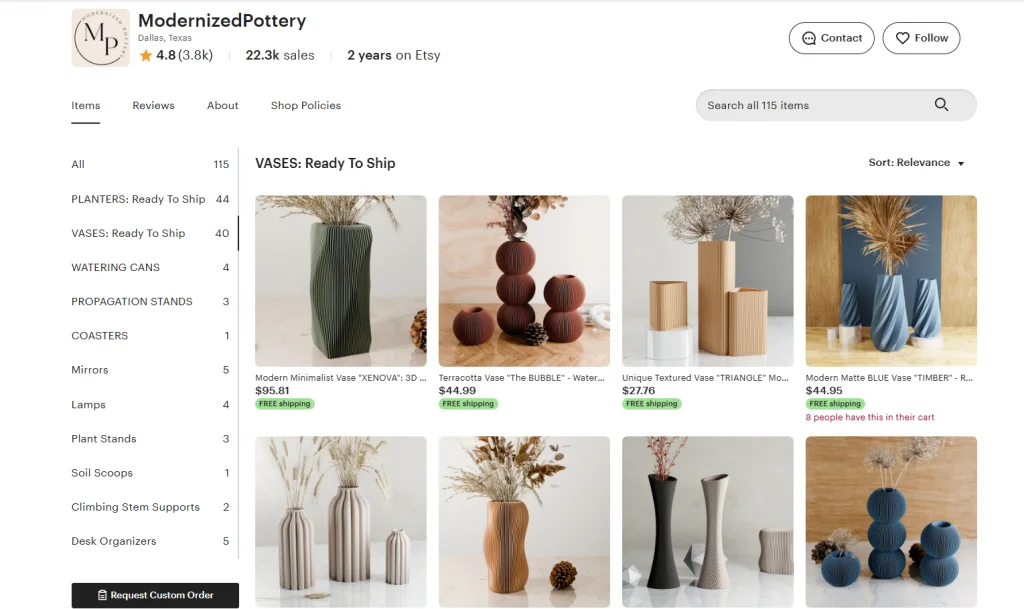
Modernized Pottery is a small brand that sells modern home decor items, including plant pots, vases, and desk organizers. Many of their items are 3D-printed using eco-friendly materials, which give the products a unique texture and design. Using 3D printing, the brand can create stylish planters and home accessories in various shapes and colors without expensive molds.
The brand mainly sells online through its store and on Etsy. On Etsy, this shop has achieved over 22,500 sales with more than 3800 reviews.
Modernized Pottery is a great example of how a small 3D printing business can succeed by focusing on a specific niche, such as home decor and plant accessories.
How to Start a 3D Printing Business – FAQs
Can 3D printing be a profitable business?
Yes, a 3D printing business can be profitable with the right setup, market fit, and strategy. Whether you’re offering customized parts or on-demand manufacturing, understanding whether the value lies is key to turning prints into profits.
How much does it cost to start up a 3D printing business?
Starting a 3D printing business generally costs between $1,000 and $10,000 for home-based operations, covering equipment, materials, software, and marketing. Hobbyist-level setups can begin under $500, while specialized, high-volume, or industrial ventures can exceed $20,000 to over $500,000 for machinery.
Do I need a license to sell 3D prints?
Yes, in most cases, you need a commercial license or clear permission from the original designer to legally sell 3D-printed products – especially if you didn’t create the design yourself. Many 3D models shared on platforms like Thingiverse, Cults, or Printables are intended for personal use only, or they require you to purchase a commercial license before selling physical prints.
Can I start a 3D printing business from home?
Yes, you can start a 3D printing business right from your home. This business model can be a side hustle or a full-time way to make money.
To start a 3D printing business from home, you first need to choose what kind of products you want to sell. Then, buy a good 3D printer and the basic materials. After that, you can list your products on marketplaces like eBay or Etsy and start selling to customers.
What types of 3D printers are best for beginners?
If you want to start a 3D printing business, beginner-friendly FDM printers are usually the best option. They are affordable, easy to set up, and simple to maintain. FDM printers work well for everyday products like home items, tools, organizers, and custom parts.
Some great beginner models include the Bambu Lab A1, Creality Ender 3 V3 SE, and Elegoo Centauri Carbon. These printers offer good print quality, reliable performance, and user-friendly features.
Start a 3D Printing Business Today!
Starting a business may feel complex, but once you understand the steps, learning how to start a 3D printing business becomes much simpler. By choosing the right niche, investing in a reliable printer, and selling on the right platforms, you can turn your 3D printer into a steady source of income.
As you grow, selling on multiple channels can help you reach more customers. LitCommerce makes it easy to list, sync, and manage your 3D printed products across Etsy, eBay, Amazon, Shopify, TikTok Shop, and more – all in one place.
Ready to scale your 3D printing business? Try LitCommerce today and expand with confidence.