



You might wonder how to start a crochet business as you have already made some beautiful pieces and maybe even sold a few. What began as a relaxing hobby is starting to look like a real opportunity. When people compliment your work or ask if they can place an order, it is only natural to think about turning your skills into something bigger.
Yes, you absolutely can start one. However, moving from hobbyist to business owner can feel overwhelming at first.
Still, what could be better than building a business around something you genuinely enjoy? Turning your creativity into income is both exciting and empowering. In this guide, we will walk you step by step through how to start a crochet business, so you can move forward with clarity and confidence.
Key takeaway:
- You only need 5 core steps to start earning: choose a profitable niche, understand your customers, design smart product lines, price correctly, and market consistently.
- There are 4 popular ways to run a crochet business: sell ready-made items, offer custom orders, sell digital patterns, or create crochet kits.
- Start offline if possible, local stores, pop-up shops, and events help you validate demand quickly. Then expand to online marketplaces like Etsy or Amazon, and eventually your own website. Use a multichannel approach to create multiple touchpoints, since today’s customers do not shop in just one place.
Can You Really Make Money from Crochet?
Yes. Thousands of sellers are already turning their crochet skills into steady income, and there’s no reason you can’t do the same.
The global crochet market continues to grow as more people embrace handmade crafts. Recent surveys show that 61% of consumers engage in yarn-based projects at least once a month.
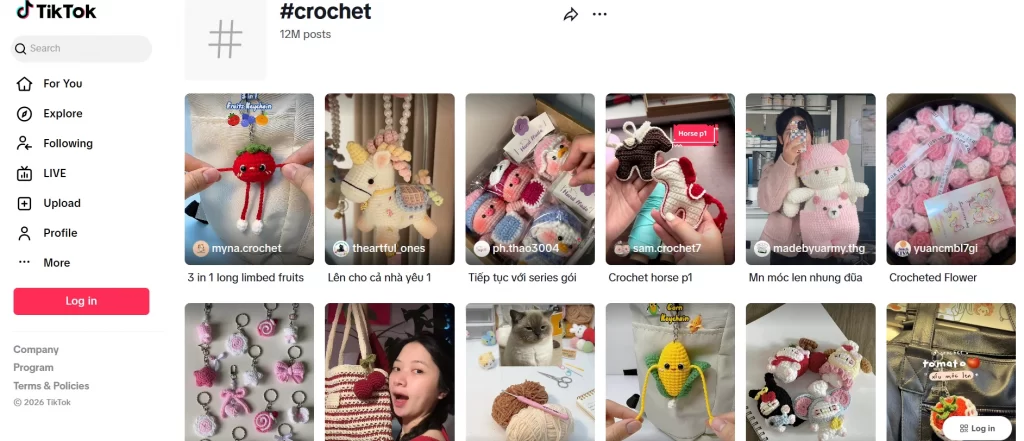
At the same time, crochet is trending across social media. The hashtag #crochet has reached over 12 million posts on TikTok, with Gen Z and Gen Y leading the movement.
Younger buyers love unique, handmade items that feel personal and authentic. Many of them also care deeply about sustainability, which gives crochet businesses an extra edge. Eco-friendly fibers like bamboo yarn and recycled cotton are becoming more popular as shoppers look for greener choices.
If you already crochet as a hobby, you’re starting with a major advantage. You have the skills. You understand the craft. Now it’s about packaging that passion into something profitable.
How to Start a Crochet Business in 5 Steps
5 steps to start a crochet business:
- Step 1: Choose a profitable crochet niche
- Step 2: Identify your ideal customers
- Step 3: Design product lines
- Step 4: Choose the right sale channels
- Step 5: Market your crochet business
Let’s dig into the step-by-step process on how to start a crochet business.
Step 1: Choose a profitable crochet niche
The very first step in how to start a crochet business is to choose a profitable niche. When you choose a clear niche, you avoid burnout and make smarter decisions about pricing, marketing, and product development.
Here are 3 main crochet business ideas you can consider:
1. Sell ready-made crochet products
You can create finished products using popular patterns and sell them directly to customers. These can include baby blankets, plushies, tote bags, tops, or home décor pieces.
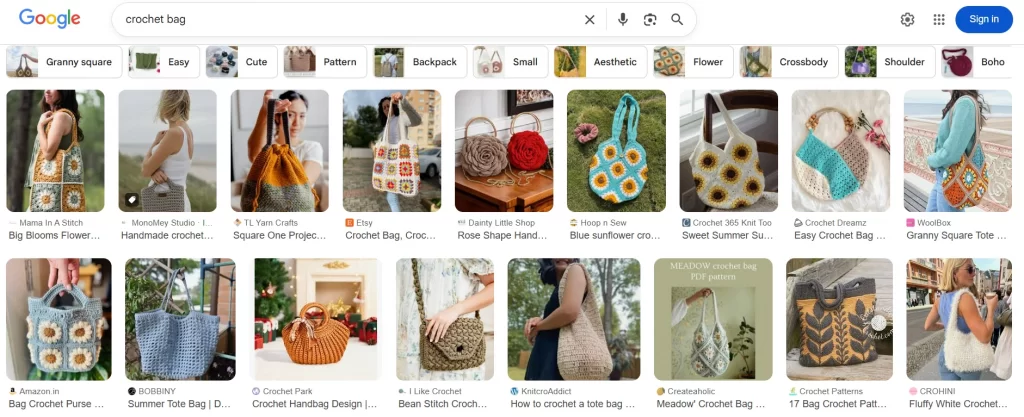
This model gives you full control over pricing and profit margins. However, you will need solid marketing skills to stand out in a competitive market. You also need to handle customer service, packaging, and shipping yourself.
2. Focus on custom orders
You can choose to only accept made-to-order or personalized requests.
With this approach, you can charge higher prices for unique, tailored pieces. Customers often pay more for something created just for them.
However, order volume can fluctuate a lot. Some months may feel busy, while others may feel quiet. This niche also requires stronger marketing because you are targeting a more specific audience.
3. Sell crochet patterns (digital products)
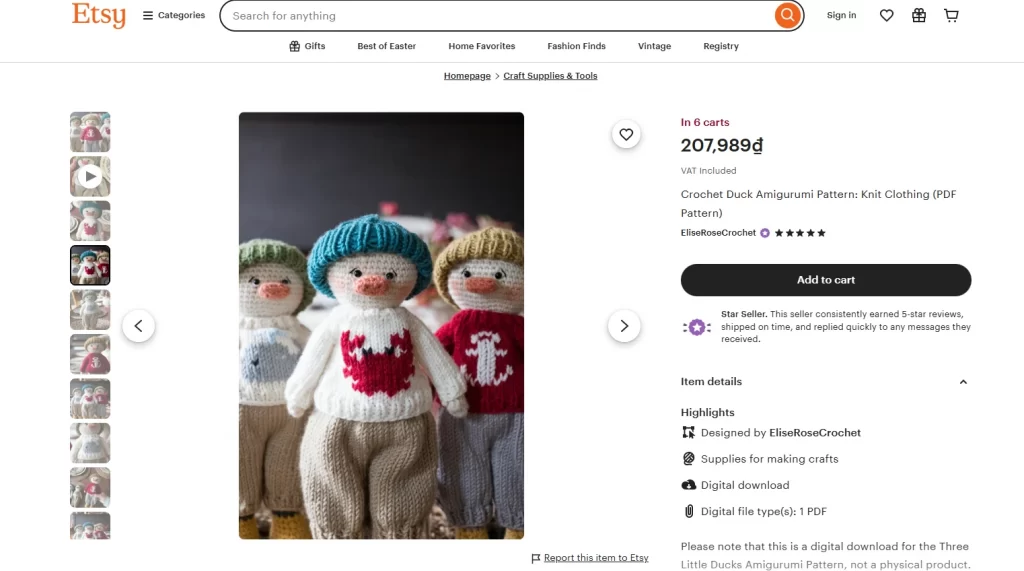
You can design and sell your own crochet patterns instead of physical products. This option can be very profitable because you create the pattern once and sell it multiple times. It also removes shipping and inventory stress.
However, you must know how to write clear, easy-to-follow patterns that feel unique and worth paying for. You also need to understand copyright basics and how to protect your work. Pattern sharing and even unauthorized translations do happen, especially across borders.
4. Create and sell crochet kits
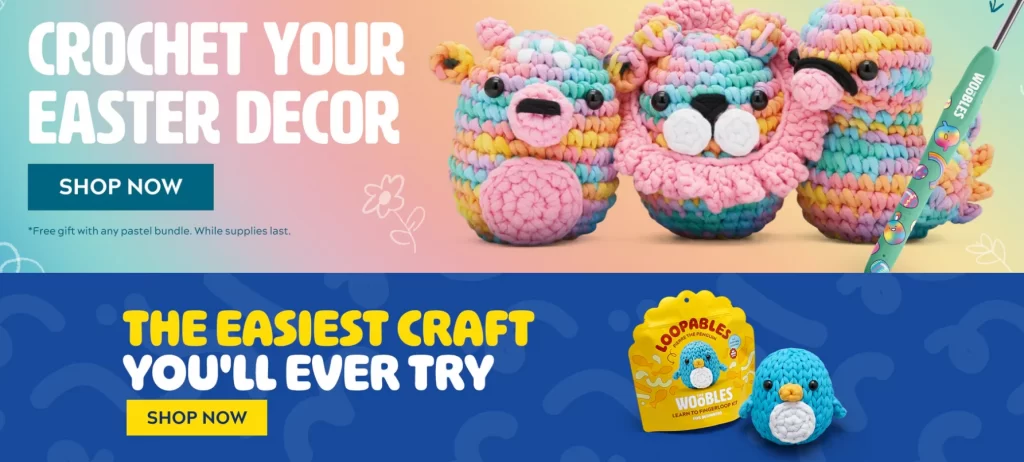
Crochet kits are another fast-growing option. Instead of selling only a finished product or a pattern, you bundle everything your customer needs into one box. A typical kit may include a pattern, the correct amount of yarn, hooks, and even extra tools.
Brands like The Whooble have popularized this model by adding extra value, such as access to video tutorials. Kits are especially attractive to beginners who want convenience and clear guidance.
Step 2: Identify your ideal customers
As you already know, handmade businesses thrive on connection. So instead of being just another seller, you want to become a go-to artisan for a specific group of people.
Start by building a simple but detailed customer profile. Think about:
- Age
- Daily job
- Relationship status
- Children or pets
- Hobbies and interests
- Personal values (eco-friendly living, comfort, slow fashion, social causes)
- Purchase habits
- Social media habits
Let’s say you focus on custom crochet pieces.
“Meet Emma, 29 years old. She works in marketing and lives in a city apartment. She values slow living. She does not have children yet, but she treats her dog like family.
Emma spends time on Instagram and Pinterest. She saves cozy home inspiration and follows handmade creators. She wants unique pieces that tell a story. She is willing to pay more for quality and customization, but she expects good communication and a smooth buying experience.”

What’s more, learning how to start a crochet business, you do not need to reinvent the wheel. You just need to make sure yours rolls a little smoother.
Start by identifying 5-10 crochet shops that sell similar products. Then look closely at:
- Who they seem to target
- The tone and messaging they use
- Where and how they promote themselves
- What customers praise or complain about in reviews
- What gaps you could fill
Check their product reviews, social media comments, and website structure. Notice what works well. Notice where they fall short.
Your goal here is to position yourself clearly and confidently in a space where demand already exists, while offering something slightly better, clearer, or more aligned with your ideal customer.
Step 3: Design product lines
Now that you clearly understand your ideal customers, the next step in how to start a crochet business is to design product lines that match their taste, lifestyle, and budget.
Many beginners make whatever feels fun and hope it sells. A smarter approach is to combine passion with demand. When deciding what to crochet for your business, list out:
- Projects you genuinely love to make
- Products that consistently sell well in the market
- Items people repeatedly ask you to create
Customers are also more likely to buy multiple items from the same collection.
Furthermore, just start small.
You do not need 30 products on day one. Start with a focused mini-collection of 3-5 items. Launch it, promote it, and observe how people respond.
You can:
- Join Facebook groups, or community forums where your audience hangs out
- Post polls on your Instagram Stories
- Release limited “mini drops” to see what sells
- Call for pattern testers if you plan to sell patterns
And, here are some of the most popular crochet categories in recent years. If you are unsure where to begin, these product lines are a great starting point:
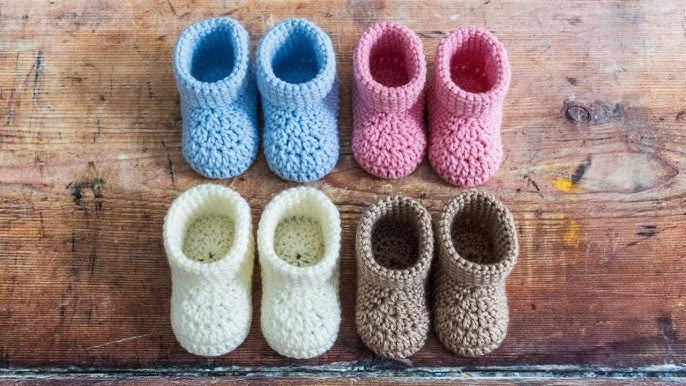
- Baby essentials such as beanies, booties, cardigans, and soft blankets
- Amigurumi plush toys and adorable character designs
- Small accessories like headbands, scrunchies, and keychains
- Winter hats and oversized chunky beanies
- Home décor items including plant hangers, cushion covers, coasters, and throws
- Market bags and everyday crochet purses
- Holiday and seasonal collections
- Personalized, made-to-order gifts
What’s more, you should take time to research market trends. Browse Etsy, Amazon, etc. to see the top-selling crochet items, check best-seller badges, and read customer reviews to understand why people are buying. You can also explore top crochet videos on TikTok or Pinterest to spot trends, popular colors, and styles that are gaining attention.
Step 4: Choose the right sales channels
You have many channels to sell crochet items, both offline and online.
1. Partner with local stores
You can collaborate with already established businesses and let them carry your products. Depending on what you crochet, you could approach:
- Bookstores
- Gift shops
- Souvenir stores
- Baby boutiques
- Accessories shops
- Home décor stores
Retail partnerships can give you steady exposure without managing a storefront yourself. The store already has foot traffic and loyal customers. If you negotiate fair wholesale pricing and maintain consistent quality, this can become a reliable side income stream.
This option works especially well if you prefer creating over marketing.
2. Pop-up shops and local events
Pop-up shops are a powerful way to connect with customers face-to-face. Many towns host seasonal markets, craft fairs, holiday festivals, or monthly community events.
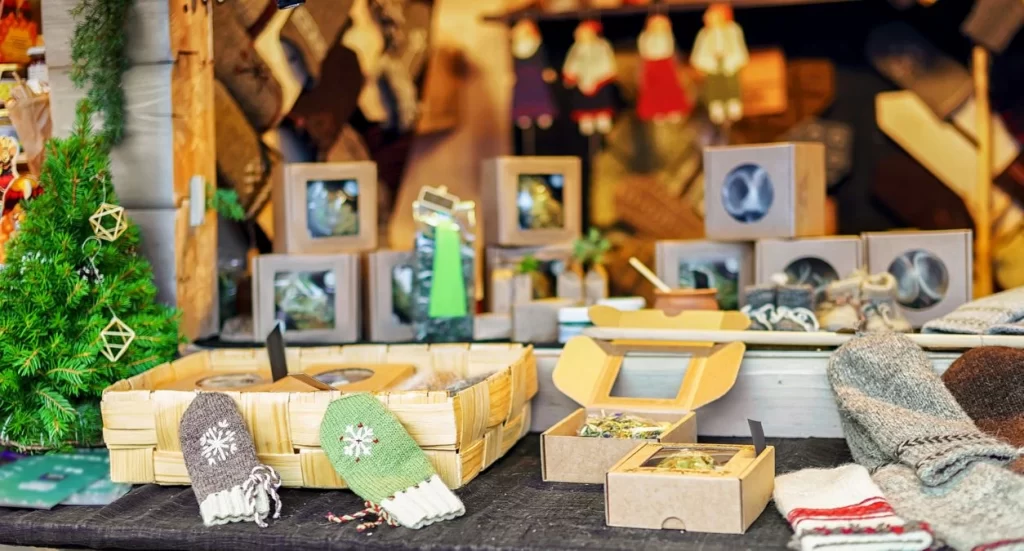
For example, some small towns organize “First Friday” events where local shops stay open late with special promotions and entertainment. Setting up a pop-up during these events can help you clear inventory, test new products, and build local recognition.
Pop-ups are especially helpful if:
- You want immediate feedback from customers
- You enjoy in-person interaction
- You want to grow local word-of-mouth
Even one successful pop-up can introduce your brand to dozens of new buyers in a single evening.
3. Sell on online marketplaces
Online marketplaces give you instant access to a large audience. Platforms like Etsy, Amazon Handmade, Walmart Marketplace, etc.
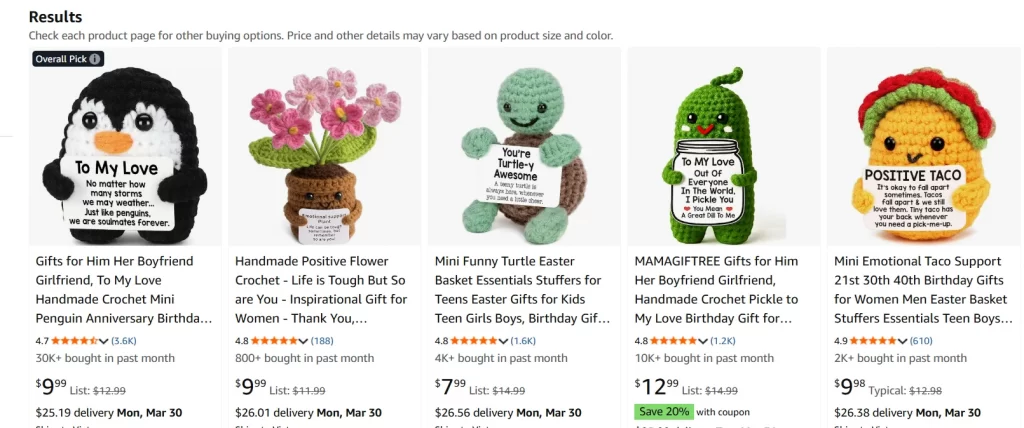
These platforms already have traffic. People go there ready to shop. However, competition can be strong, and fees will affect your profit margins. You also need optimized listings, strong photos, and clear product descriptions to stand out.
Marketplaces are great for beginners because you do not need to build your own audience from scratch.
Learn more 27+ other top-selling platforms to learn where to sell crochet items.
4. Create your own website
If you want full control over your brand, consider building your own online store using eCommerce website builders like Shopify, WooCommerce, BigCommerce, etc.
Your own website gives you:
- Full pricing control
- Direct customer relationships
- Stronger brand identity
- Higher long-term profit margins
However, you must drive traffic yourself through social media, email marketing, SEO, or paid ads. This path requires more effort but offers more independence.
Successful tip:
Start with a local pop-up event or small market because it gives you instant, real-world feedback. Once you understand what sells and why, you can confidently expand to online marketplaces or your own website.
The more channels you add, the more opportunities you create for consistent sales. Many platforms only charge fees when you actually make a sale, which keeps your risk low while you grow.
Multichannel sellers worry most about inventory management.
But you only need to focus on growing your store, we’ll handle it. LitCommerce is a powerful multichannel selling tool that helps you list, sync, and manage product data, inventory, and orders across 20+ top platforms like Amazon, Etsy, Shopify, TikTok, etc.
Step 5: Market your crochet business
As you’re looking for how to start a crochet business and want to earn money from your hobby, beautiful products alone are not enough. You need people to discover you, trust you, and remember you. You need to do marketing.
Here are some ideas you can get started with low budgets.
1. Leveraging social media
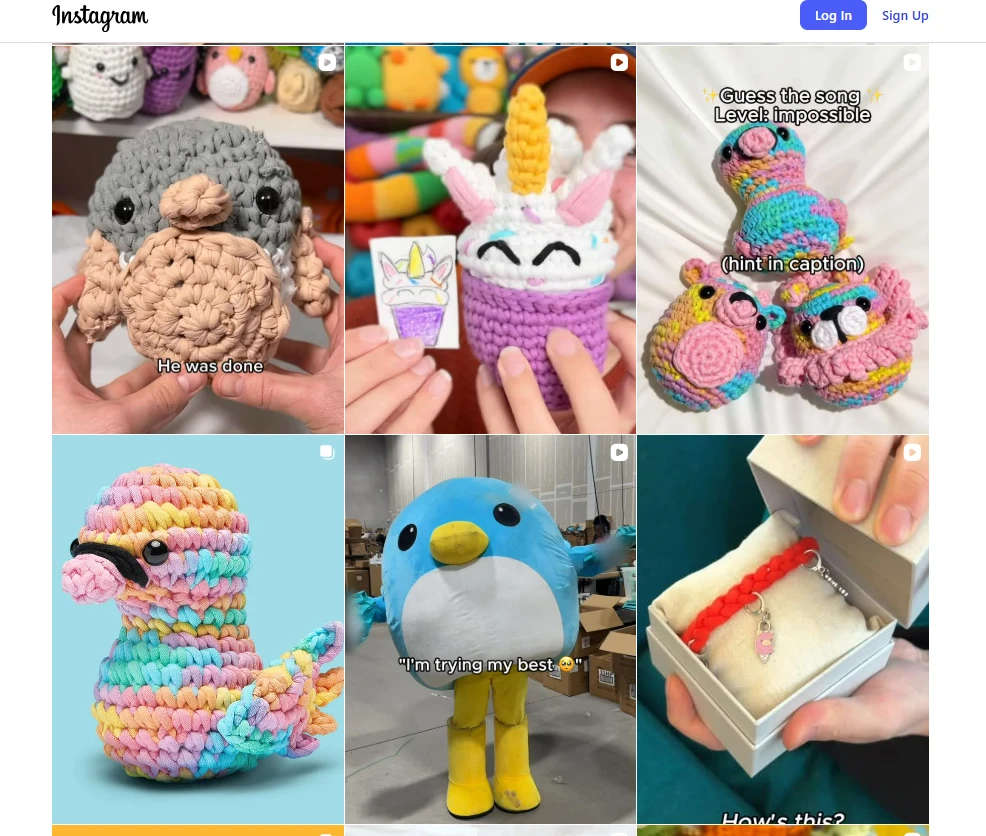
Social media is one of the most powerful tools for handmade businesses. It allows you to show your process, tell your story, and build genuine connections.
Some of the top platforms for crochet businesses include:
- Facebook & Instagram
- TikTok
At the beginning, you might not have many followers. That is completely normal. Every successful brand started at zero.
Instead of focusing on follower count, focus on engagement. Reply to comments. Answer questions. Thank people for sharing your posts. Start conversations. Engagement builds trust, and trust leads to sales.
If you feel like you lack marketing skills, you are not alone.
Many beginners feel stuck because they believe they are “not good at marketing.” Some feel overwhelmed because they have no followers and no idea what to post.
Today, you have many AI tools to help you with that. For example, you can use ChatGPT to generate content ideas, captions, short-form video scripts, and even full content plans. The key is writing clear prompts and training your AI assistant to match your voice and goals.
If you want a practical starting point, we have already created an in-depth guide on how to use ChatGPT to go viral on TikTok, so you can start applying these strategies right away.
2. Collaborate with micro-influencers
You do not need a celebrity shoutout to grow your crochet business. In fact, micro-influencers can be even more powerful. These are creators with smaller but highly engaged audiences who genuinely trust their recommendations. Their followers often see them as relatable and authentic, which makes their opinions carry more weight.
You can send them a free product in exchange for an honest review, styling post, or unboxing video. And because their audience is niche, the traffic tends to convert better.
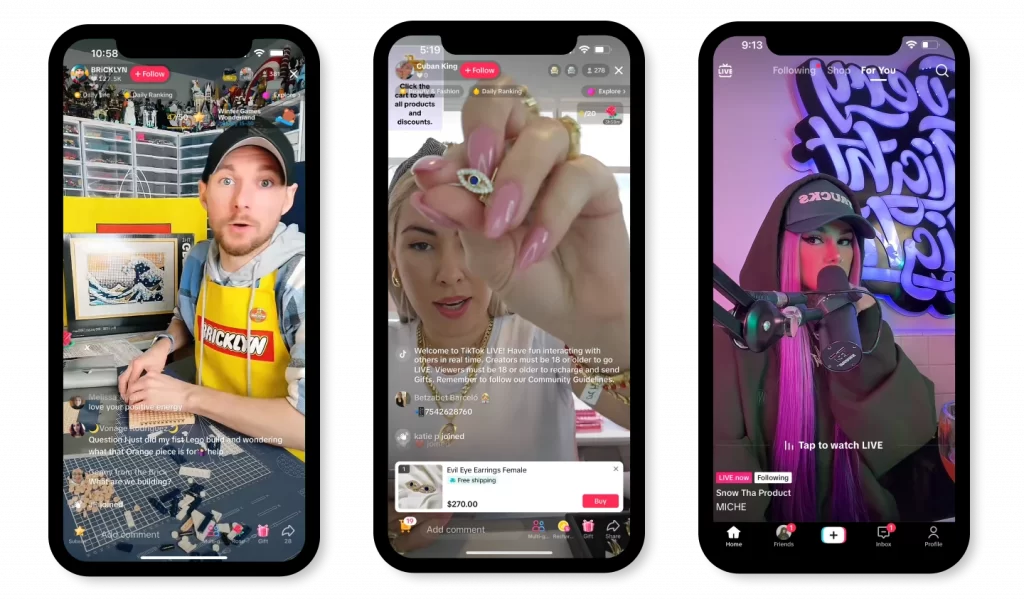
You can also co-host live sessions together. Offering an exclusive limited-time discount code during the session creates urgency and encourages immediate purchases. This strategy builds trust and drives sales at the same time.
3. Use paid ads
Organic marketing builds your foundation, but paid ads can help you grow faster once you see traction. You do not need a huge budget to get started.
Paid ads become even more effective during holiday seasons or special events. Shoppers often compare multiple options before buying gifts. When your crochet products appear again in their feed, you stay top of mind.
Check out 29+ ways to promote your business in this dedicated article.
How to Price Crochet Items to Maximize Sales and Profit
Pricing is where many crochet businesses struggle. If you price too low, you feel overworked and underpaid. If you price too high without strategy, customers hesitate.
A simple pricing formula you can follow is:
(Supplies + Hourly Rate + Business Expenses) × Profit Margin = Price
1. Supplies
Supplies include all direct material costs used to create the item, such as:
- Yarn
- Buttons, zippers, safety eyes
- Labels and tags
- Packaging materials
- Shipping materials (if you offer free shipping)
2. Hourly rate
Your time has value. Many beginners forget this part and end up underpricing their work. Decide how much you want to earn per hour. Even if you start modestly, make it intentional.
For example, if you want to earn $15 per hour and a crochet bag takes 3 hours to complete, your labor cost is $45.
3. Business expenses
Business expenses are indirect costs that keep your business running, such as:
- Etsy, Amazon, or marketplace fees
- Website hosting (Shopify, WooCommerce)
- Payment processing fees
- Marketing costs (ads, giveaways)
- Equipment (hooks, lighting for photos, software subscriptions)
These expenses should be factored into your pricing, not absorbed as hidden losses.
4. Profit margin
Profit margin shows how much profit you keep as a percentage of the selling price. It allows your business to grow, reinvest, and handle unexpected costs.
Many handmade businesses aim for a 20%-50% margin depending on their niche and competition. A higher margin gives you more flexibility for promotions and wholesale deals.
Here is an example
Let’s say you crochet a handmade tote bag:
- Supplies (per product): $3
- Labor (3 hours × $6/hour): $18
- Business expenses allocation (per product): $3
Your base cost is: $3+ $18 + $3 = $24
If you apply a 30% profit margin: $24 × 1.30 = $31.20
Your final selling price would be around $31.20.
When it comes to learning how to start a crochet business, if you price properly, you protect your time, your creativity, and your long-term sustainability. Do not race to the bottom. Customers who value handmade craftsmanship are willing to pay for quality.
How to Package and Ship Your Crochet Orders
Packaging and shipping can feel a little overwhelming at first, especially if you plan to ship worldwide. International shipping can be tricky.
To protect yourself, always consider purchasing shipping insurance and clearly state your shipping policies, including possible customs fees for international buyers.
Most marketplaces like Etsy and Amazon offer automatic shipping calculators based on weight and destination, which makes things much easier. Some platforms even provide discounted shipping labels or native fulfillment services. If you are just starting out, use these built-in tools to save time and reduce mistakes.
When it comes to packaging, keep it simple but thoughtful. Here are some tips:
- Sew a small satin or woven label onto your crochet item for branding.
- Wrap the product neatly in tissue paper, add a sticker or logo seal, and include a thank-you card or business card.
- Use poly mailers for packaging materials. As your orders grow, you can gradually invest in higher-quality materials.
Best Tips from Successful Crochet Businesses to Learn From
Now you get a foundation of how to start a crochet business.
If you look closely at thriving crochet brands, you will notice they share a few smart habits. These small details often make the biggest difference over time.
Use high-quality product images.
High-quality product photos can increase conversions by up to 94% compared to low-quality images.
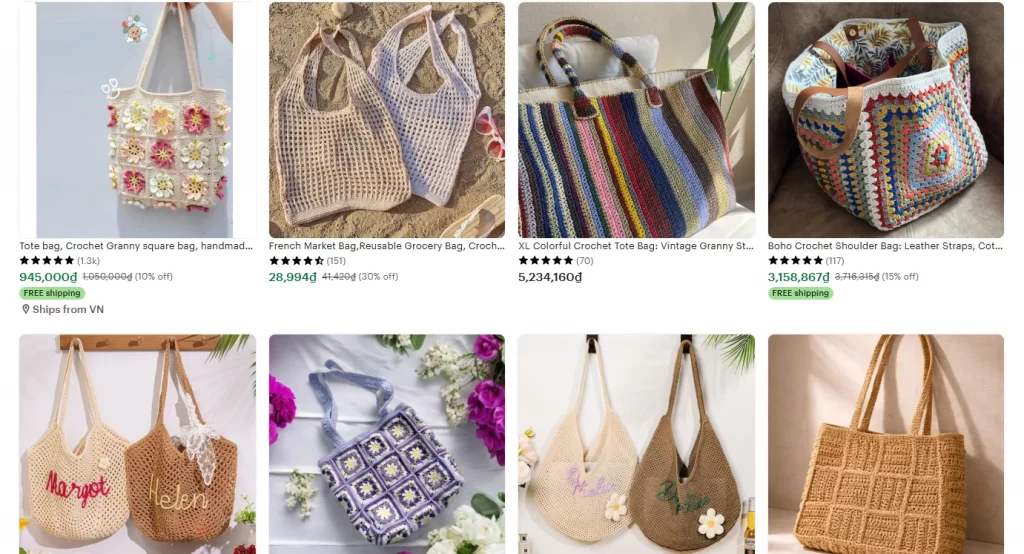
Natural lighting usually delivers the best results, and lifestyle photos help customers picture your crochet items in real life. Include close-up shots that highlight the stitches, texture, and fine details. These visuals reassure buyers about the craftsmanship and quality.
Using a good camera or a modern smartphone with strong resolution can dramatically improve clarity and brightness.
When buyers can clearly see what they are getting, they feel more confident. and confident shoppers are far more likely to click “Buy.”
Plan your collections ahead for the full season.
Successful crochet businesses think in seasons and plan months in advance. This approach allows them to stay organized, manage inventory wisely, and align their marketing with what customers are already searching for.
For example, you should prepare cozy scarves, beanies, and chunky blankets well before fall arrives. Shoppers often start looking for autumn pieces in late summer.
Planning ahead also reduces last-minute pressure. You have more time to test designs, photograph products, schedule content, and build anticipation around your launch.
Deliver outstanding customer service.
Delivering an outstanding customer experience is another key piece of advice when considering how to sell your crochet items. Reply quickly to messages. Set clear expectations for production and shipping times. Handle issues professionally and kindly. Handmade businesses grow through word-of-mouth, and happy customers often become repeat buyers. Great service turns a one-time purchase into long-term loyalty.
Learn more about how to deliver a great customer experience and increase loyal customers here.
How to Start a Crochet Business – FAQs
Do you need an LLC for a crochet business?
No, you do not legally need an LLC to start a crochet business. Many beginners start as sole proprietors because it is simple and inexpensive. If you are selling casually on Etsy, at local markets, or through social media, you can usually operate under your personal name at first.
However, forming an LLC (Limited Liability Company) can offer extra protection. An LLC separates your personal assets from your business assets. This means if your business faces legal issues or debt, your personal savings and property are generally protected.
In the early stages, you can start simple and upgrade later. Once your sales increase, you plan to scale, or you want to look more established, forming an LLC may be a smart move. Always check your local laws (a good place to check is the U.S. Small Business Administration (SBA) website, where you can search by business type and state), and consider speaking with a small business advisor or accountant to choose the best structure for your situation.
How much does it cost to start a crochet business?
You can start a crochet business with a relatively small budget. If you already own hooks and basic tools, your main costs will be yarn, labels, packaging, and marketplace fees. Many beginners start with $100-$300 to cover initial supplies and simple branding materials.
If you decide to build your own website, run paid ads, or invest in professional photography, your costs will increase. The key is to start lean. Test your products first, reinvest your profits, and upgrade gradually as your sales grow.
How long does it take to grow a crochet business?
Growth timelines vary. Some sellers get their first sales within weeks, while others take a few months to build traction. Consistency plays a major role. Posting regularly, improving product photos, refining pricing, and engaging with customers all compound over time.
Most handmade businesses see meaningful momentum after 6-12 months of steady effort. The more focused and strategic you are from the beginning, the faster you will see results.
Final Thoughts
Learning how to start a crochet business may feel overwhelming at first, but every successful seller once stood exactly where you are now. You do not need a perfect plan, a huge budget, or thousands of followers to begin. You need clarity, consistency, and the courage to take the first step.
If you plan to expand beyond one platform, consider building a multichannel strategy early. Selling on marketplaces like Etsy, Amazon, or Walmart while running your own website can open up more opportunities and reduce risk. On the LitCommerce blog, you can find in-depth guides on multichannel selling, product optimization, and scaling your online business across platforms.