



You’ve come up with a great idea for a reselling business, or maybe you’ve been inspired by seeing others turn simple products into thriving shops. You’re excited to get started, but there’s one big question holding you back: “How do I actually begin?” If you’re feeling unsure of your first steps, you’re not alone.
To make things simpler, we’ve created this clear, beginner-friendly guide on how to start a reselling business from scratch. Whether you’re launching your very first online venture or expanding an existing store into the resale world, this step-by-step roadmap will show you exactly what to do, what to avoid, and how to build a profitable reselling brand with confidence.
What is the Reselling Business Model?
The reselling business model is a simple setup where you buy fully developed products from manufacturers, wholesalers, or even other retailers, and then sell those items to customers through your own online store, marketplace shop, or physical location.
In this model, you act as the middleman between the original supplier and the final buyer. Your main goal is purchase at a lower cost (sometimes in bulk or at discounted prices), and sell at a profitable price point to your own customer base.
Unlike traditional retail stores, which typically rely on large brick-and-mortar spaces, POS systems, and deep relationships with distributors, as a reseller, you can run your business entirely online, ship products yourself from a small storage area, or work with a distributor who acts as a dropshipper and handles all fulfillment for you.
Pros:
- Low startup cost and risk
- Flexible online or offline setup
- Wide product variety to sell
- Easy scaling with bulk sourcing
Cons:
- Supplier quality may vary
- Competition can be intense
- Profit margins can be thin
- Marketplace restrictions and approvals
Top 10 Reselling Business Ideas
Since you don’t need to manufacture products, there are many accessible reselling ideas. Here are the most popular niches when it comes to how to start a reselling business:
- Fashion and apparel: Fashion and apparel remain one of the most profitable reselling categories, with the global clothing market valued at over $1.8 trillion. Clothing trends change quickly, which gives resellers endless opportunities to offer fresh styles. Because the demand is constant and diverse, opening a clothing brand is ideal for both beginners and experienced resellers.
- Electronics: Electronics continue to dominate eCommerce with a projected global spend of $922.5 billion. From smartphones and smartwatches to headphones and refurbished laptops, the demand is always high. Customers often look for deals, upgrades, or replacement devices, which gives resellers consistent sales opportunities. This niche is especially strong on Amazon, eBay, and Facebook Marketplace.
- Beauty and personal care: People invest more in their self-care routines. The beauty and personal care category covers skincare, haircare, cosmetics, grooming tools, and wellness items, etc., all of which sell well year-round. With strong consumer loyalty and repeat purchases, beauty reselling can build long-term profit.
- Vintage and antique items: Vintage and antique goods have surged in popularity, especially among Gen Z shoppers. According to Pinterest’s Fall 2025 Trend Report, young consumers are moving away from mass-produced “fast furniture” and seeking items with character and history. Because each item is one-of-a-kind, the resale value can be significantly higher for rare or in-demand finds.
And below are some ideas to with high profit margin you can start with:
Reselling idea | Avg. acquisition cost | Avg. selling price | Typical profit margin |
Sneakers | $100 - 150 | $150 - 300 | 20 - 50% |
Vintage clothing | $5 - 15 | $40 - 100 | 40 - 70% |
Speakers & audio | $10 - 40 | $30 - 80 | 40 - 60% |
Smart home devices | $20 - 80 | $70 - $200 | 50 - 80% |
Luxury watches | $2,000 - 5,000 | $3,000 - 8,000 | 30 - 50% |
Korean & Japanese skincare | $20 - 100 | $60 - 200 | 60 - 100% |
Perfumes | $40 - 120 | $100 - 300 | 60 - 120% |
Vinyl records | $1 - 10 | $15 - 50 | 40 - 60% |
Home goods | $10 - 50 | $30 - 150 | 30 - 50% |
Books | $1 - 5 | $10 - 50 | 40 - 60% |
How to Start a Reselling Business in 7 Steps
To start a reselling business:
- Step 1: Find your niche
- Step 2: Create a lean business plan
- Step 3: Register your reselling business
- Step 4: Get a resale permit
- Step 5: Find suppliers and source product to resell
- Step 6: Set up your online store
- Step 7: Market your store
These steps will have you running your reselling business in no time. Let’s get started.
1. Find your niche
The first step in how to start a reselling business is choosing the niche you want to focus on. Some beginners already know the type of products they want to sell, while others are still exploring options. Your niche will shape everything, from where you source inventory to the marketing strategies you use, so it’s worth taking time to make the right choice.
- Start with your interests and passions. When you sell something you genuinely understand or enjoy, you’ll find it much easier to create product listings, talk to customers, and stay motivated. Think about the categories you naturally browse or the products you often buy yourself. These are usually great starting points.
- Brainstorm the potential challenges within each niche. No industry is perfect, and understanding the obstacles early helps you avoid surprises later. Look at issues such as high competition, seasonality, fragile shipping requirements, or fast-changing trends.
- Look for current trends to see where demand is heading. Viral items can offer quick wins. Use tools like Google Trends, TikTok Creative Center, or marketplace bestseller lists to spot new opportunities. However, always ask yourself whether the trend will last and what kind of marketing effort you’ll need to keep the momentum going. Short-lived hype can lead to dead inventory if you’re not careful.
- Consider profitability. A good reselling niche should have healthy demand and enough competition to prove the market exists, but not so much that you can’t stand out. If there are zero competitors, that’s usually a red flag rather than a secret opportunity. Aim for a niche where you can balance demand, sourcing cost, and your ability to add value.

2. Create a lean business plan
A great idea isn’t enough, you need a clear roadmap to turn your reselling business idea into a real, profitable venture. A lean business plan helps you outline the essentials, understand your direction, and communicate your strategy to potential lenders or partners. Think of it as a simple, flexible guide that you can update as your business grows.
To build a plan for your reselling business, start by answering key questions about your overall model:
- What types of products will you resell?
- Will you operate online, in a physical store, or across multiple channels?
- Who is your target customer, and where do they shop?
- How will you market your products to reach them?
- What makes your store different from competitors in the same niche?
Next, dig into the operational details to understand how your business will function day to day:
- Who will your suppliers or vendors be?
- How and where will you store your inventory?
- Will you need staff, and if so, how many?
- What will your hiring process look like?
- What are your estimated startup costs?
- When do you expect to break even and start making a profit?
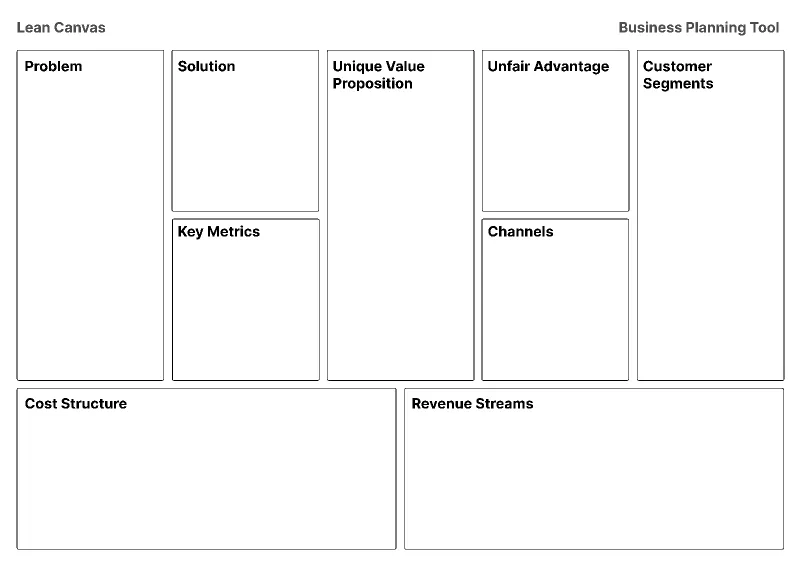
Remember, your first version doesn’t need to be perfect. A lean business plan is meant to evolve. As you gain experience and learn what works (and what doesn’t), you can update, refine, or expand your plan to better support your reselling business.
Estimate reselling startup costs
Along the same lines in learning how to start a reselling business, you should also estimate the startup costs. This helps you understand how much money you need to get started, where your expenses will come from, and how to avoid overspending.
Your budget should account for common expenses such as:
- Business insurance
- Permits and licenses
- Initial inventory purchases
- Advertising and marketing costs
- Staff salaries, if you plan to hire
- Utilities such as electricity and internet
- Platform fees (if you launch your business online)
- Store rent (if you choose a physical location)
If you’re working with a tight budget, consider starting with an online reselling business instead of opening a brick-and-mortar store. Running an online shop significantly reduces upfront costs, allowing you to focus more on sourcing inventory and building your customer base. As your sales grow, you can reinvest your profit and scale your operations at your own pace.
3. Register your reselling business
Once you’ve finalized your business plan, the next step is making your business official. This involves completing a few legal requirements so your company is recognized by the government. These decisions will affect your taxes, your ability to access funding, and the level of personal protection you receive as a business owner.
Start by choosing a business structure. The most common options include a sole proprietorship, LLC, partnership, or corporation.
If you choose a sole proprietorship, you won’t need to file formal formation documents, but you’ll still need to apply for any licenses or permits required in your state or city. The US Small Business Administration is a great resource to help you find the exact requirements for your location.
If you plan to set up an LLC, partnership, or corporation to become a reseller, it’s wise to speak with a business attorney. These structures offer added protection and credibility but come with more formal requirements. Registering your business officially also gives you access to benefits such as opening a business bank account, applying for permits, building your brand name, and qualifying for funding opportunities.
4. Get a resale permit
After you register your business, the next step in how to start a resale business is to get a resale permit. In the US, this permit is issued by your state and gives you the legal right to buy products for resale without paying sales tax when buying inventory.
To qualify for a resale permit, you must already have:
- Business licenses;
- Endorsements;
- Labor and Industries contractor’s license (if applicable).
Each state has its own rules, so always check local requirements before applying.
However, you are responsible for collecting sales tax from customers at checkout and submitting it to the state. You may need to pay quarterly estimated taxes based on IRS guidelines and, depending on your state, collect and remit sales tax on online orders.
5. Find suppliers and source products to resell
Finding the right suppliers is one of the most important steps in learning how to start a reselling business. If your business were a heart, your vendors would be the arteries. A strong supplier relationship ensures consistent product quality, reliable shipping, and steady inventory.
Start by defining clear criteria for what you want in a supplier. Price is important, but it shouldn’t be the only factor. Consider:
- Product quality and consistency
- Their existing reputation and reviews
- Minimum order quantity (MOQ) requirements
- Customer service responsiveness
- Their experience within your niche
- Ethical and sustainable practices
First, explore reputable online directories and marketplaces. Platforms like Thomasnet, Alibaba, and Global Sources offer access to thousands of verified suppliers around the world. You can also run targeted Google searches or ask for referrals from other business owners in your network.
Another highly effective option is attending trade shows. These events allow you to see products in person, compare suppliers side-by-side, and build relationships face-to-face. You can ask detailed questions, inspect samples, and learn directly from vendors and other attendees about their experiences.

If you prefer not to hold inventory, dropshipping offers a flexible alternative. Apps like Spocket, DSers, and similar tools let you source products that ship directly from suppliers to your customers.
And don’t forget thrift stores. They offer affordable vintage, retro, or one-of-a-kind secondhand items that are perfect for eco-conscious or niche audiences. For those looking for how to start a reselling business focused on sustainable, vintage, or curated markets, thrift sourcing can deliver high margins and truly unique inventory.
6. Set up your online store
Online accounted for 88% of resale spend, hence, you must have a strong presence online. There are 2 popular ways resellers often go:
1. Sell on a marketplace like Amazon, Etsy, or eBay
Marketplaces give you instant access to massive audiences who are already searching for products. This makes them one of the fastest ways to start your reselling business.
Pros:
- Built-in traffic and ready-to-buy customers
- Easy setup with simple listing tools
- Trusted platforms that boost buyer confidence
- No need to manage complex website tech
Cons:
- Marketplace fees reduce your margins
- High competition within each product category
- Limited control over branding and customer data
To start selling on a marketplace, create a seller account, verify your business information, and set up your storefront. From there, you can upload product listings, set pricing, and begin fulfilling orders through your chosen method (in-house, FBA, or third-party logistics).
2. Build your own eCommerce store with platforms like Shopify, BigCommerce, Wix
Building your own eCommerce site gives you complete control over branding, design, and customer experience. It’s ideal for long-term growth and building a loyal audience.
Pros:
- Full control over your design, content, and brand identity
- Ability to collect customer emails and build a loyal base
- No marketplace rules restricting how you sell
- Higher profit margins without additional seller fees
Cons:
- Requires more time to drive your own traffic
- Monthly platform costs add up over time
- Must handle hosting, apps, and integrations
- More responsibility for troubleshooting technical issues
Running your own eCommerce store also requires attention to website performance. You’ll need to monitor loading time, mobile responsiveness, security, SEO, navigation, product page quality, and checkout optimization. These factors directly influence conversions and customer trust.
Pro tip – Combine multichannel selling to maximize benefits
Marketplaces give you speed, while your own store gives you control. That’s why many successful resellers use both. They start on marketplaces to test demand and validate their niche, then expand into their own ecommerce site for long-term brand building.
Of course, listing products and managing inventory across multiple platforms sound like a nightmare. Keeping everything updated, orders, stock levels, pricing, and product data, quickly becomes a full-time job. But today, multichannel selling is easier than ever thanks to automation tools.
LitCommerce is one of the most user-friendly solutions for resellers looking to scale efficiently.
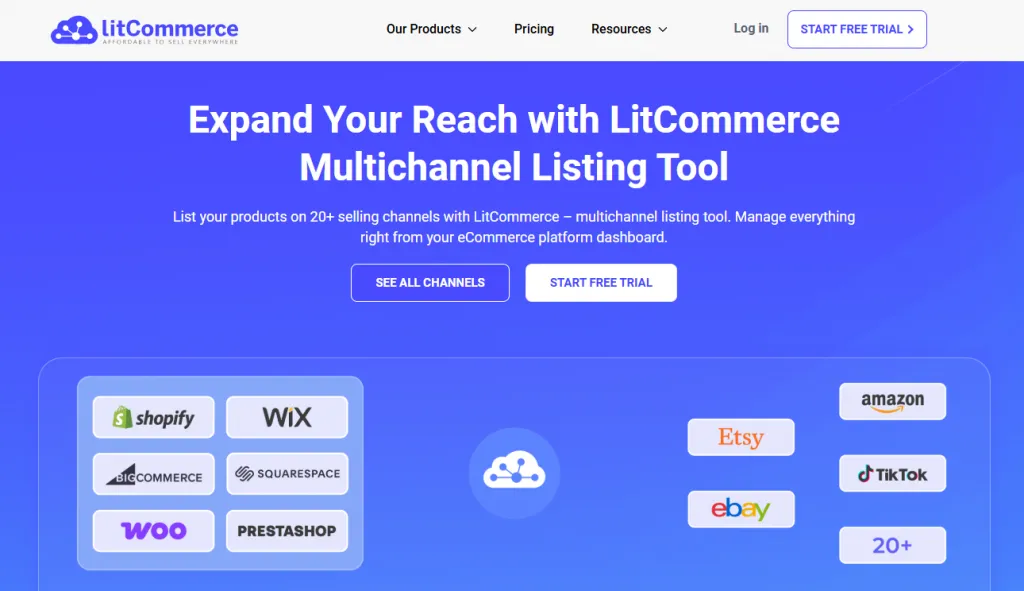
With LitCommerce, you can:
- List products in bulk to multiple sales channels with just a few clicks
- Start selling even if you only have a simple product file
- Sync inventory across all platforms to avoid overselling
- Manage orders from marketplaces and your website in one clean dashboard
- Update product data, pricing, and variations all at once
Let’s LitCommerce support your reselling journey
If you’re thinking of launching your reselling business across multiple channels, we believe that’s a great decision. We’re here to help you make things easier so you can focus on sourcing and marketing.
7. Market your store
With your store set up, it’s time to build a marketing strategy that brings in customers and fuels long-term growth. Effective marketing helps people discover your products, trust your brand, and choose your store over competitors. Start small, experiment with different tactics, and gradually expand your efforts as you learn what works best.
Here are some powerful marketing methods you can use, and many of which are free:
- Social media marketing: Social media exposes your brand to a wide and diverse audience. Choose platforms where your target customers spend the most time, then stay active with posts, videos, product showcases, and behind-the-scenes content.
- Content marketing: Content marketing helps you attract the right customers by sharing valuable, educational, or entertaining content. You can start a blog, launch a YouTube channel, or even host a podcast. Use your content to share product tips, niche insights, and industry news. Over time, this builds trust, improves your SEO, and strengthens your brand authority.
- Word-of-mouth marketing: Nothing beats genuine recommendations. Encourage happy customers to share their experiences, post photos, or leave reviews. Word-of-mouth boosts your credibility, spreads naturally, and can bring in new customers at no extra cost. Small influencers or micro-communities can also amplify this effect.
- Paid advertising: If you want faster results on how to start a reselling business successfully, paid ads can help you reach customers who are actively searching for products like yours. Google Ads let you target specific keywords so your store appears at the top of search results. Social media ads on Facebook, Instagram, TikTok, or Pinterest can also help you reach niche audiences with strong buying intent.
Learn more about How to Promote Your Business with 29 Strategies
Is Reselling Profitable?
Yes, reselling is highly profitable. In the US alone, the online resale market is projected to nearly double by 2029, reaching $40 billion while growing at an average rate of 13% per year.
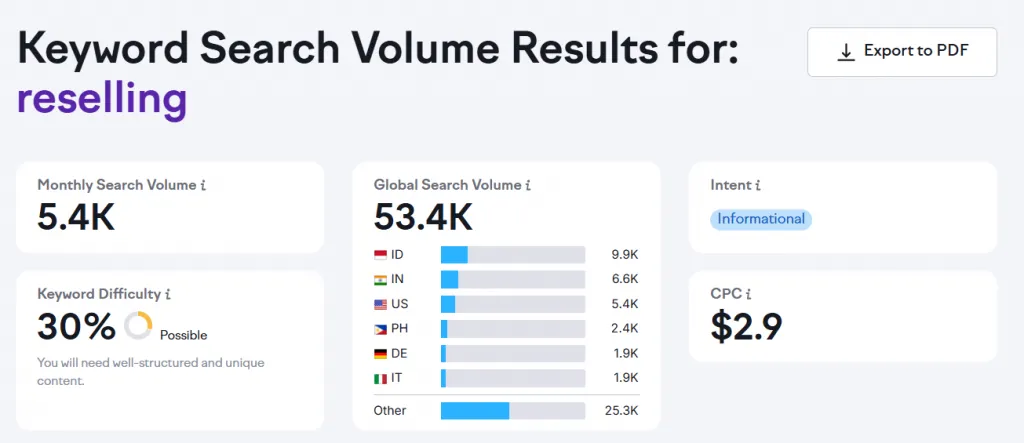
What’s more, the keyword “reselling” generates around 53.4K global searches per month, reflecting strong interest and increasing attention worldwide.
Reselling is also considered a low-risk business model. You don’t need to invest in product development, manufacturing, or large inventory upfront. Many beginners start small, sourcing a few items at a time and scaling only when they see consistent sales. This makes it ideal for side hustlers, students, stay-at-home parents, or anyone looking to test a business idea with minimal financial commitment.
Real-world insights from resellers across various forums also show impressive profit margins, typically ranging from 20% to 70%. Some categories like vintage clothing, collectibles, or refurbished electronics, can reach even higher margins, especially when sourced at low cost.
3 Selling Advices from Successful Resellers
We’ve also gathered 3 practical tips on how to start a reselling business from successful resellers using LitCommerce:
1. Provide excellent customer service (including a clear return policy)
Top resellers stand out by offering fast communication, helpful support, and a smooth buying experience. A clear return policy builds trust and reduces buyer hesitation, especially on marketplaces where customers rely heavily on reviews. The better your customer service, the more repeat buyers and positive ratings you’ll earn.
2. Take high-quality product photos
Great photos sell products. Successful resellers invest time in capturing clear, well-lit images from multiple angles, showing details, packaging, and any flaws upfront. Clean backgrounds and consistent lighting help your listings stand out and build credibility. Better photos also reduce disputes and returns because customers know exactly what they’re getting.
3. Track your numbers and reinvest smartly
Resellers who grow quickly all share one habit: they know their numbers. Track your expenses, profit margins, shipping costs, and marketplace fees so you always understand what’s truly profitable. As you earn, reinvest in high-performing products, better tools, or improved inventory systems. This disciplined approach helps you scale steadily without taking unnecessary risks.
What Should You Avoid When Starting a Reselling Business?
And here are some common mistakes you should keep your business away:
- Not defining your market and target audience: One of the biggest mistakes new beginners learning how to start a reselling business make is trying to sell to everyone. Without a clear audience, your marketing becomes unfocused and your product selection feels random. Take time to identify who you’re selling to and what problems you solve for them. While you’re “just” reselling, you can still add simple customization. For example, you can bundle products, choose niche-focused designs, or offer variations that appeal to a specific group. Small tweaks like these can make your store feel intentional and relevant.
- Not filing for the proper legal structure: Skipping legal setup can cause serious tax issues, compliance problems, or financial risk later on. Choosing the right structure, whether a sole proprietorship, LLC, or corporation, protects your business and personal assets. Always research your state requirements before launching.
- Launching too quickly: Many beginners rush into selling without proper planning, which leads to unnecessary mistakes and wasted money. Make sure you understand your niche, startup costs, and supplier reliability before going live. A slower, more strategic launch sets you up for long-term success.
- Partnering with the wrong suppliers: Your suppliers directly impact product quality, shipping speed, and customer satisfaction. Choosing poorly vetted vendors can lead to delays, defective items, or lost inventory. Always research supplier reviews, request samples, and check their communication before partnering.
How to Start a Reselling Business – FAQs
Where do resellers get their products?
Resellers source products from wholesalers, manufacturers, liquidation pallets, online marketplaces like Alibaba or Global Sources, and even local suppliers. Many also find great deals at thrift stores, estate sales, clearance sections, or trade shows. For those who prefer not to hold inventory, dropshipping suppliers are another popular option.
How much does it cost to become a reseller?
You can start reselling with as little as $50 – $200 if you’re sourcing from thrift stores or secondhand finds. If you’re buying wholesale or bulk inventory, startup costs may range from $500 to several thousand dollars depending on your niche. Additional expenses include licensing, marketplace fees, packaging, and marketing.
Do resellers have to pay taxes?
Yes. Any profit you make from reselling is considered taxable income, whether you sell online or in person. You may also be required to collect and remit sales tax depending on your state. A resale permit allows you to buy inventory tax-free, but you must still charge customers sales tax where applicable.
Do I need a physical store to start my reselling business?
No, most resellers launch entirely online through marketplaces or their own ecommerce stores. This approach keeps costs low and makes it easier to test different product categories. You can always open a physical location later if you want to expand. For a comprehensive guide on how to start a reselling business online, please refer back to our in-depth guide section above.
How should I price my reselling products?
Start by calculating your total costs, including product cost, shipping, packaging, marketplace fees, and taxes. Then research competitors selling similar items to understand the market price range. Aim for a margin that covers your expenses and leaves room for profit.
Learn more about how to price a product here
Final Words
Learning how to start a reselling business is one of the most accessible and low-risk paths to entrepreneurship today. With the right niche, reliable suppliers, smart budgeting, and a solid marketing strategy, you can turn simple products into a sustainable income stream. Start small, stay focused, and refine your process as you learn what works best for your audience.
Remember, success of learning how to start reselling comes from consistency, testing, and gradually building momentum. Whether you’re launching on marketplaces, creating your own online store, or expanding across multiple channels, each step brings you closer to a profitable reselling business.
For more practical tips and strategies on launching and promoting your reselling business, check out our blog, or contact us for any help.