




As an antique seller, you have several options, from flea markets and antique malls to online platforms. However, selling antiques online has quickly become the most powerful way to reach more buyers and increase your sales.
Unlike traditional methods, online platforms give you access to a global audience, helping you gain more visibility and better opportunities to sell your items at the right price.
But with so many platforms available, it can be difficult to figure out which is the best place to sell antiques online.
In this guide, we’ll break down the 10 best platforms, complete with detailed comparisons and scoring, so you can choose the right one and maximize your results.
Sell on Multiple Platforms, Double Your Sales
Why limit yourself to one platform when you can reach more buyers and grow faster? It’s easier than you think. With LitCommerce, you can seamlessly list and manage your products across platforms like Etsy, eBay, and Facebook Marketplace, all in one place.

How We Evaluated These Platforms
To identify the best places to sell antiques online in 2026, we combined real data with hands-on seller experience to ensure our recommendations are practical and reliable.
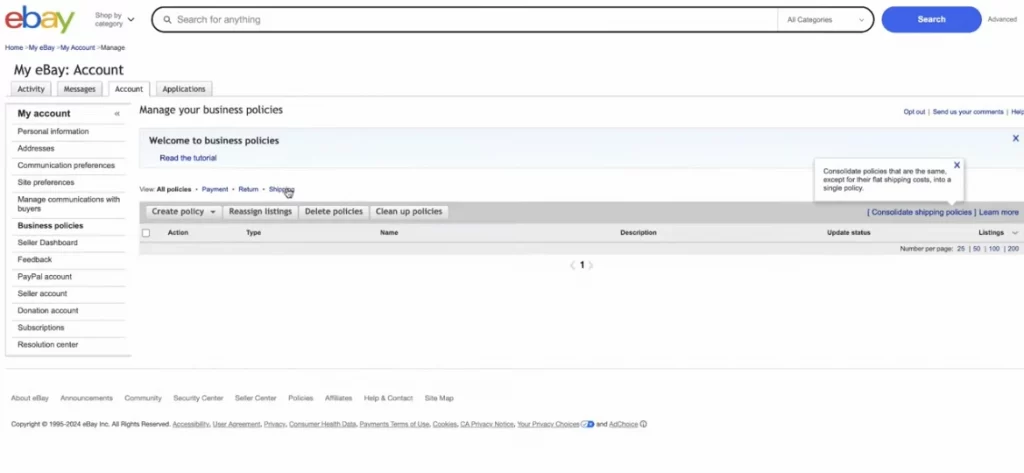
Our eCommerce experts analyzed each platform’s policies, fee structures, and selling requirements based on official documentation. We also tested these platforms by creating new seller accounts to verify how they actually work in practice, not just in theory.
To evaluate traffic and marketplace performance, we used trusted tools such as SimilarWeb, and Statista. This helped us understand how much exposure each platform offers and what kind of buyers you can expect.
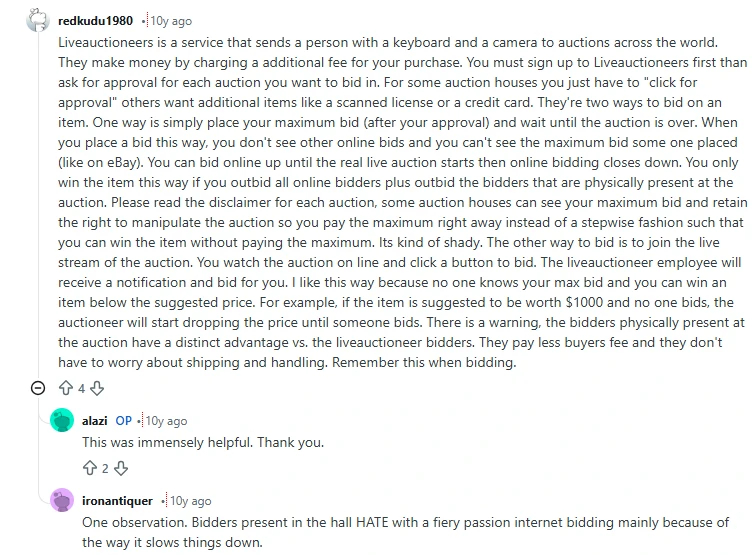
We also reviewed real seller feedback from platforms like Reddit, Quora, Trustpilot, and Facebook group and analyzed case studies from active sellers to understand what actually works in real-world scenarios.
After reviewing 25+ platforms, we’ve selected the 10 best places to sell antiques online, from niche marketplaces to big eCommerce platforms, based on what actually matters to sellers:
- Have strong traffic and buyer demand, so your antiques get real visibility
- Offer reasonable selling fees that don’t eat too much into your profit
- Are well-suited for different types of antiques, from collectibles to furniture to high-end pieces
- Are practical to use, whether you’re a beginner or an experienced seller
10 Best Places to Sell Antiques Online
Here are the 10 best places to sell antiques online where collectors are looking and actually buying.
Platform | Best for | Selling fees | Selling format | Pros | Cons |
eBay | Collectibles, searchable antiques, one-of-a-kind finds | - Up to 250 zero-insertion listings per month. - Final value fee: 12% - 15% of the total sale price | Auction + fixed price | Massive buyer reach; great search demand; auction format helps with price discovery. | Very competitive; more price pressure; can attract bargain hunters. |
Etsy | Decorative antiques, vintage-style collectibles | ~$15 setting up + $0.20 listing + 6.5% + processing | Fixed price | Huge built-in audience; easy to start; strong for visually appealing antiques. | Broad audience rather than true antique specialists; fees can stack up. |
Ruby Lane | Quality antiques, vintage jewelry, art, dolls, curated inventory | 9.9% + monthly fee | Fixed price | Niche antique-focused marketplace; stronger buyer alignment; better for higher-quality pieces. | Monthly shop cost; less beginner-friendly. |
1stDibs | Luxury antiques, premium furniture, lighting, fine jewelry | - Membership plan + commission - Fees vary by seller plan | Fixed price | Premium positioning; high-quality buyers; strong for expensive design-led antiques. | Strict vetting; hard for beginners; likely costly for lower-value inventory. |
Chairish | Stylish antique furniture, décor, lighting, art | - Free to list - Commission varying by seller plan. | Fixed price | Strong design-focused audience; attractive presentation; good for home-oriented antiques. | Curated approval; not all items get accepted; commissions can feel high on lower tiers. |
LiveAuctioneers | Auction-worthy antiques, rare estate items, art, collectibles | Plan-based and event-based fees | Auction | Excellent for serious bidders; strong price discovery; good fit for rare or unique antiques. | Less beginner-friendly; better for auction-house style selling than casual listing. |
Facebook Marketplace | Local furniture, bulky antiques, fast local sales | Free to list | Fixed price / negotiation | Huge overall audience; easy to list; great for local pickup and bulky pieces. | Less targeted; more negotiation and lowballing; weaker premium positioning. |
Bonanza | Affordable antiques, smaller collectibles, secondary channel | $14.99 account set up fees + transaction fee + 11% final value fee | Fixed price | Easy entry; low upfront risk; useful as an extra channel. | Smaller audience; less specialized in antiques; weaker premium positioning. |
Craigslist | Local antique furniture, mirrors, salvage, pickup-only items | Fees vary by city and category | Fixed price / negotiation | Good for local pickup; simple selling flow; useful for large items that are hard to ship. | Minimal trust layer; more no-shows and lowballing; weak collector targeting. Also bans certain goods like ivory. |
Shopify | Building your own antique brand and standalone store | Monthly subscription plans + payment-processing + advertising fees | Depend on your needs | Full control over brand, design, and customer experience; best for long-term store building. | No built-in marketplace traffic; you must drive your own visitors. |
Read on for detailed information about these platforms.
1. eBay
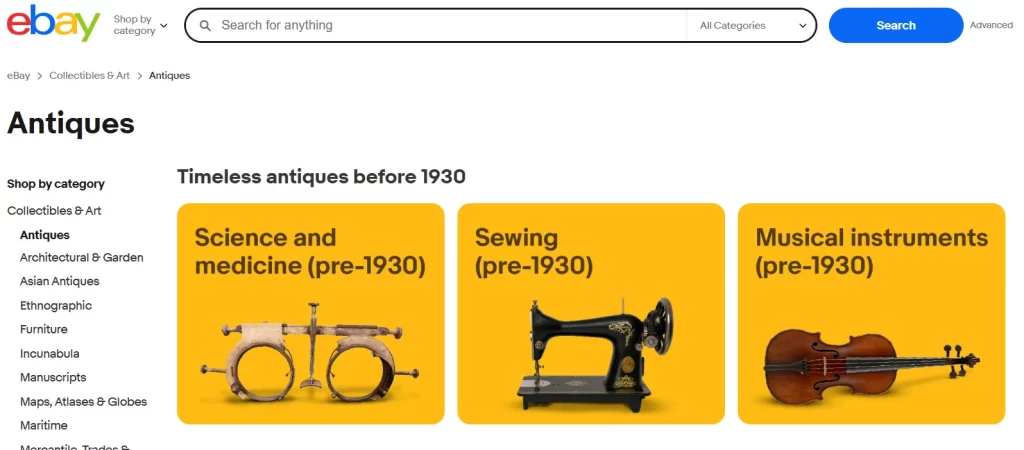
For over two decades, eBay has remained the best site to sell antiques and to showcase collections to a vast audience.
Unlike more niche platforms, eBay operates on a broad resale model, rather than focusing exclusively on antiques. There’s no separate “antiques-only” policy, items can be listed as long as they follow eBay’s general guidelines and rules for restricted or prohibited products.
Another advantage is flexibility. eBay allows both auction and fixed-price listings, which is especially useful when you’re unsure how to price rare or unique antiques and want the market to help determine their value.
eBay is best for sellers who offer:
- collectible antiques
- one-of-a-kind items
- small to medium-size antiques
eBay is less ideal for:
- legally sensitive artifacts
Traffic: 462M monthly visits
Pros:
- Access to a massive customer base, increasing the potential for sales of antiques
- Offer auction format that generates excitement and competition among buyers, potentially leading to higher prices
- No listing fees for up to 250 items per month, reducing upfront costs
- Offer local pickup for bulky or fragile pieces
Cons:
- Need for strategic pricing and effective marketing to differentiate and stand out among other sellers
- eBay fees are too high per transaction
Selling fees:
- Subscription: From $4.95/month for Starter
- Insertion fees: $0.35/ listing (after 250 free listings)
- Final value fee: Standard rate: 12% – 15% of the total sale price
2. Etsy
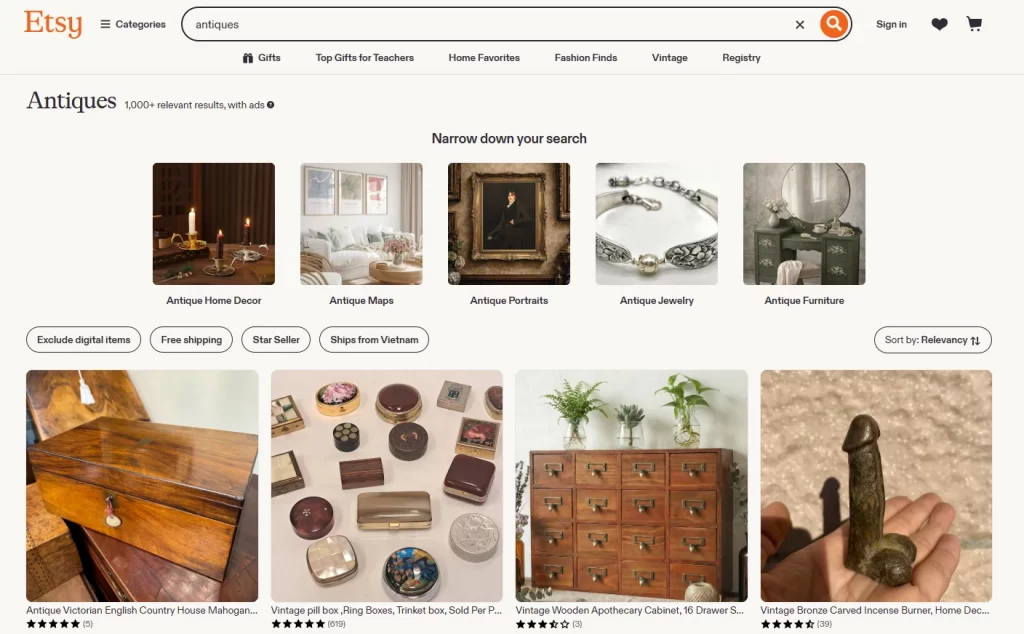
Etsy, primarily known as a top marketplace for selling vintage items, handmade and crafted goods, also offers the opportunity to sell antique items.
On Etsy, a vintage item must be at least 20 years old, so true antiques (usually 100+ years old) can qualify as long as they meet that standard. Etsy may ask for photo documentation or other proof of age/authenticity.
Etsy also bans certain restricted or prohibited items, which matters a lot for antiques because some older pieces can include ivory, endangered-animal materials, recalled products, hazardous items, or highly regulated goods.
Etsy is especially ideal for:
- lower- to mid-ticket antiques
- decorative antiques
- vintage jewelry
- antique homewares
- collectible pieces that appeal to both collectors and general shoppers
Etsy is less ideal for:
- very high-value antiques
- antiques that need extensive provenance verification
Traffic: 326M monthly visits
Pros:
- Very large buyer base
- Let you customize your storefront and build a recognizable brand with Etsy Plus
Cons:
- High competition in the antique market
- Listing fees per item listed
- Listing expiration after four months
- Percentage fee charged on the final sale price
Selling fees: often 20 – 30% total take
- Shop set-up fee: ~$15
- Listing fee: $0.20 per listing for each item you publish. Listings stay active for 4 months or until the item sells.
- Transaction fee: 6.5% transaction fee on the total order amount, including shipping and gift wrapping.
- Other:
- Payment processing fee: varies by country; for U.S. sellers, Etsy says processing fees apply in addition to the transaction fee.
- Currency conversion fee: 2.5% if your listing currency differs from your payment account currency.
- Etsy Plus: $10/month for extra shop features.
- Pattern site: additional monthly fee for a standalone website.
- Offsite Ads: can add an extra advertising fee when a sale comes through Etsy’s external ads.
To learn more about the Etsy marketplace, check out our detailed review to see whether selling on Etsy is worth it.
Boost Your Antiques Sales with LitCommerce
You can sell on both eBay and Etsy without more work and stress. LitCommerce multichannel selling tool is here to help!
3. Ruby Lane
Ruby Lane is one of the best places to sell antiques online, especially if you deal in high-end, one-of-a-kind, or vintage items. Unlike mass-market platforms, Ruby Lane is highly curated, meaning that not everyone is accepted. This makes it an ideal choice for established antique dealers or serious sellers who can meet the platform’s standards.
For antique sellers, Ruby Lane’s main appeal is quality over scale. It is smaller than Etsy or eBay, but it is designed for buyers already interested in antique and collectible goods.
One of its standout features is the quality of its listings. Ruby Lane expects sellers to put in the effort: detailed product descriptions, multiple high-quality images, and accurate information are required for every item. While this makes the listing process more involved than on sites like Etsy, it creates an upscale, trust-driven marketplace that attracts serious buyers willing to pay for unique finds.
Ruby Lane is best for sellers who offer:
- quality antiques
- collectible items
- higher-ticket pieces
- curated products
Ruby Lane is less ideal for:
- low-priced item
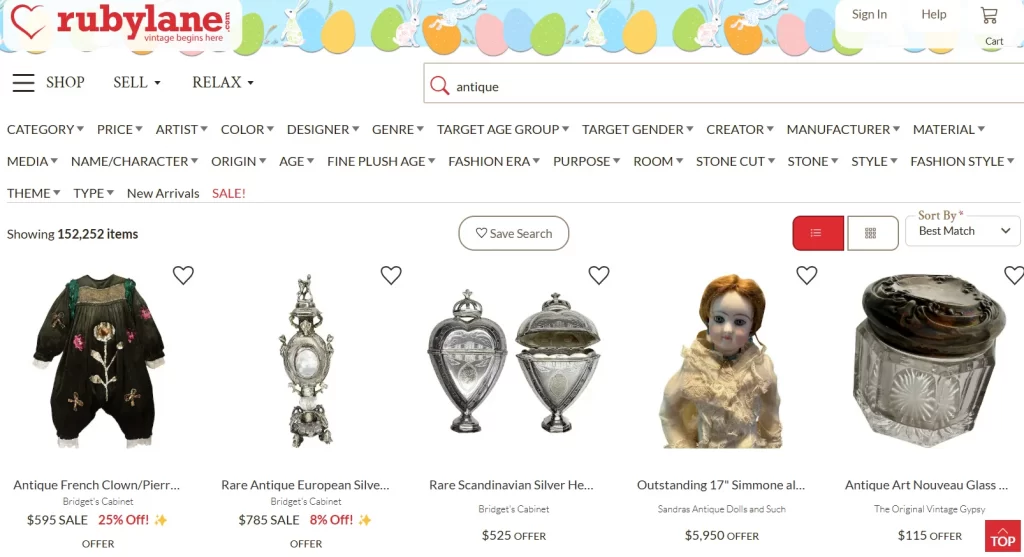
Traffic: 974K monthly visits
Pros
- Curated platform with a focus on high-end antiques
- Strong customer service and a reputation for quality
Cons
- Charge monthly maintenance fees to keep your shop active, even before making any sales, unless you meet the requirements for a rebate
- Selective acceptance, making it harder for casual sellers to join
Pricing:
- Monthly maintenance fee: starts at $45, and it can drop to $0 if you qualify for the platform’s Maintenance Fee Rebate
- Service fee: 9.9% on the total amount of the sale up to $2,500 (capped per item)
You may also want to learn how to price your products so you can cover platform fees while still keeping your offers attractive to buyers.
4. 1stDibs
1stDibs is another best site to sell antiques. It’s a high-end online marketplace specializing in antiques, vintage furniture, lighting, fine jewelry, and other collector-quality pieces.
The platform focuses on exceptional design and curated inventory, only allowing professional sellers to join.
That said, to sell on 1stDibs, you must go through a strict approval process. This includes submitting an application, providing at least two references, and undergoing a detailed review of their inventory quality and business reputation by their experts.
1stDibs is best for sellers who offer:
- high-end antique furniture
- statement lighting and chandeliers
- premium decorative objects
- fine antique jewelry
- collectible art
1stDibs is less ideal for:
- lower-priced antiques
- general flea-market style inventory
- fast-flip estate finds
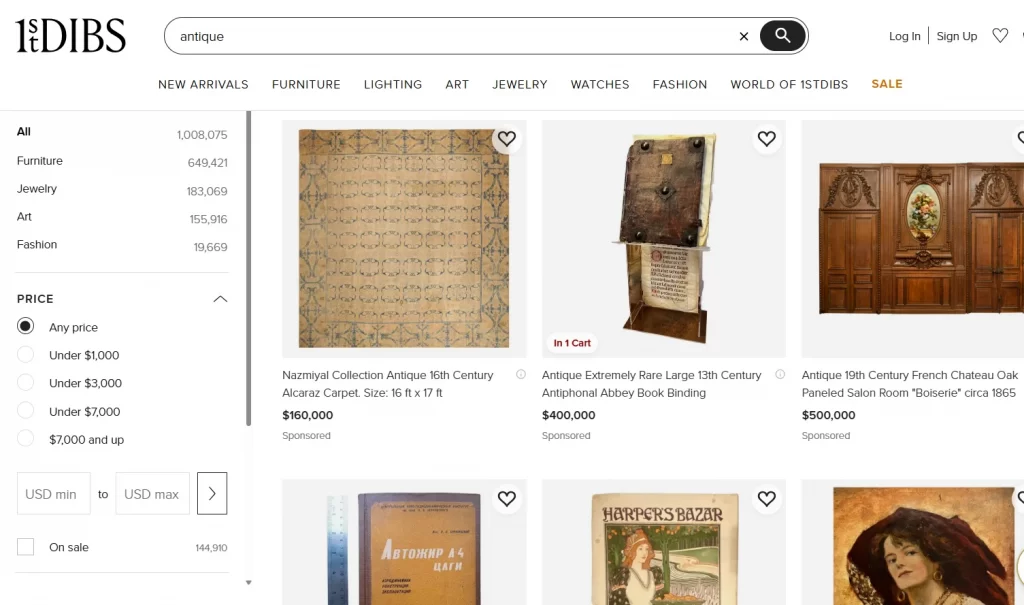
Traffic: 61K active buyers
Pros:
- Highly targeted luxury and design-oriented buyers
- Better brand positioning for high-ticket inventory
Cons:
- Strict seller approval process
- Fee structure is complex (membership + commission)
- Higher upfront costs, especially for low sales volume
Selling fees:
1stDibs does not use a simple one-size-fits-all fee structure.
Sellers choose among multiple membership plans, with a trade-off between a lower monthly subscription and higher commission, or a higher monthly subscription and lower commission.
Besides, commission varies depending on the type of seller and item, including differences such as vintage and antiques dealers versus individual artists.
5. Chairish
Chairish is a curated online marketplace best known for stylish, design-forward home pieces, including vintage and antique furniture.
For antique sellers, Chairish sits between mass marketplaces and high-end platforms like 1stDibs. It’s more selective and design-focused than platforms like Etsy or eBay, yet still more accessible than 1stDibs.
Chairish also offers a Platinum plan, which gives sellers access to both the Chairish Marketplace and Chairish Auctions (powered by LiveAuctioneers). However, it’s worth noting that some of the extended reach comes specifically from this premium offering.
Like many curated platforms, Chairish has strict listing guidelines, including rules around protected or restricted materials. Sellers must comply with regulations such as the Lacey Act, especially when dealing with certain wood or plant-based products.
Chairish is best for sellers who offer:
- antique furniture
- vintage and antique lighting
- mirrors
- rugs
- decorative objects
- design-led art and home décor pieces
Chairish is less ideal for:
- highly specialized collectibles
- small non-decorative antiques
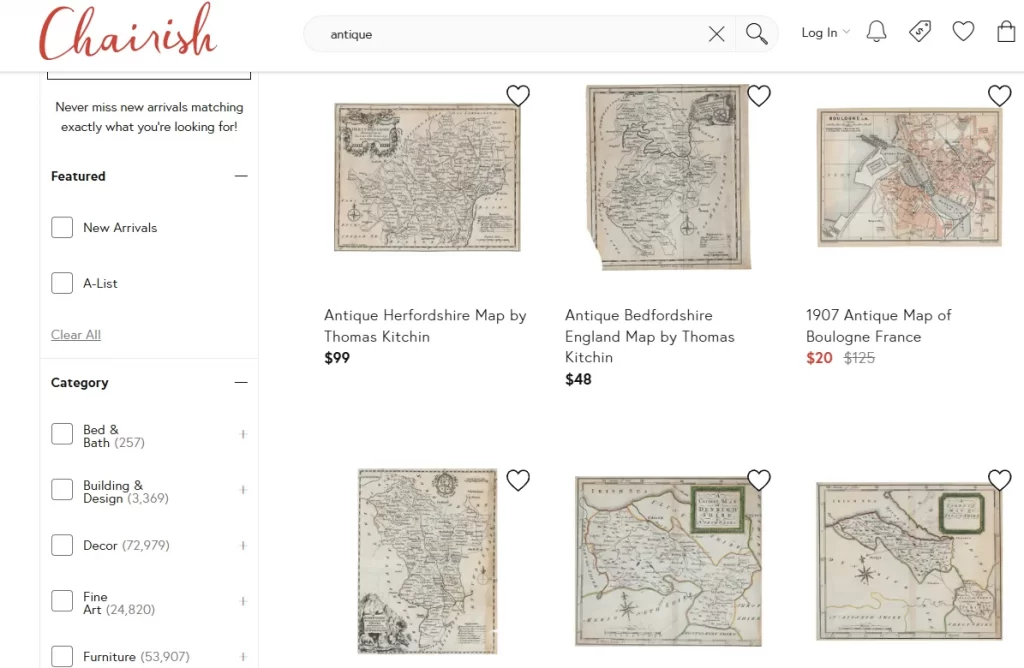
Traffic: 4.1M monthly visits
Pros:
- Free listing
- Supports shipping coordination and local pickup
Cons:
- Commission can be high, especially on lower seller plans
- Restricted-material and cultural-heritage rules can affect certain antique items
Selling fees:
- Listing is free
- Commission rates: depend on seller plan
- Consignor: 40% on all products
- Professional: 30% on all products
- Premium: 25% on vintage/used products
- Plus: 22% on vintage/used products
- Elite: 20% tiered commission on vintage/used products
- Platinum:
- 0% Commission on items sold at Chairish Auctions
- 20% tiered commission on vintage/used products on Chairish
6. LiveAuctioneers
LiveAuctioneers is one of the most antique-oriented platforms on this list of best places to sell antiques online.
LiveAuctioneers is built around the auction-house model rather than simple self-serve marketplace listings. Its seller-facing materials position it as a platform for auctioneers, dealers, and consignors who want to reach a serious bidding audience for one-of-a-kind goods.
It reaches the largest audience of live-auction bidders in North America
It is especially strong when the item is rare, desirable, and difficult to price confidently in advance.
LiveAuctioneers is best for sellers who offer:
- one-of-a-kind antiques
- estate items
- art and decorative antiques
LiveAuctioneers is less ideal for:
- low-priced antiques
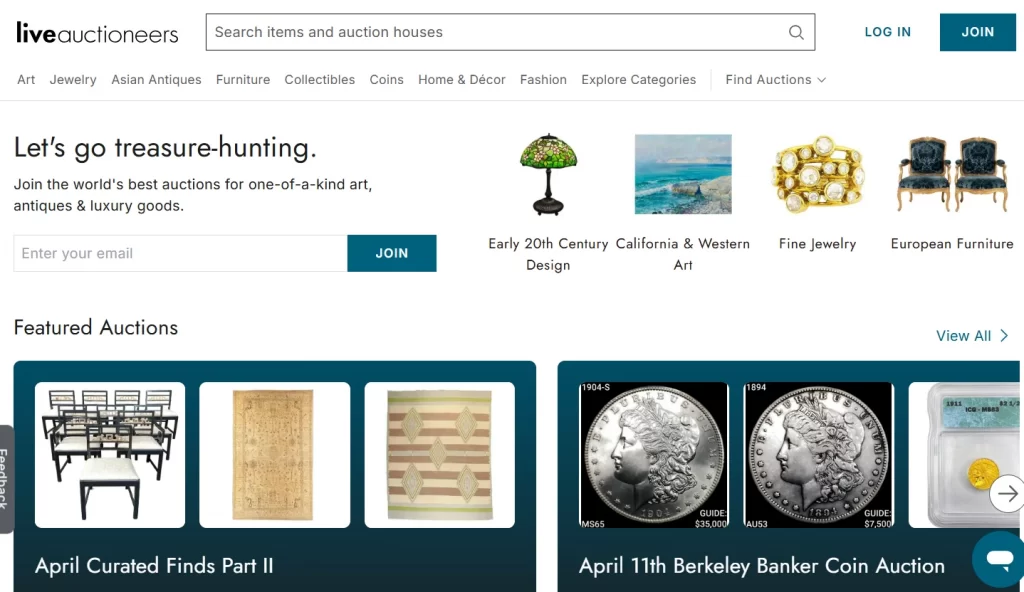
Traffic: 3.7M monthly visits
Pros:
- Auction format is ideal for rare, unique, or hard-to-price antiques
- Useful for consignors as well as auction houses
Cons:
- Public seller pricing is not very transparent
- Shipping, returns, and post-sale terms can vary by auction house
Selling fees:
- LiveAuctioneers uses a more auction-house-style pricing model.
7. Facebook Marketplace
Facebook Marketplace, with its wide-reaching audiences, provides a powerful social media platform to sell antiques online.
You can take advantage of this platform to sell directly, offering a convenient purchasing experience for your local audiences.
Mainly, on Facebook, you can utilize both Facebook Shop vs Marketplace to sell your antique items. This is particularly beneficial for brands with a substantial following on these social channels.
Facebook Marketplace is best for sellers who offer:
- antique furniture
- lamps
- vintage storage pieces
- architectural salvage
Facebook Marketplace is less ideal for:
- very high-value antiques
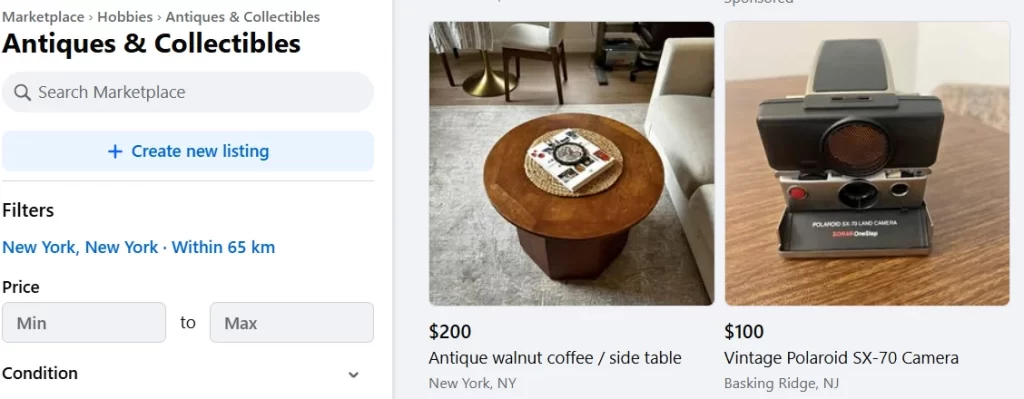
Traffic: Over 1.1 billion active users monthly
Pros:
- Broad reach to a large and engaged audience
- Effective showcasing of antique products through visual content
- Direct engagement and communication with potential customers
- Targeted advertising options for reaching specific audiences interested in antiques
Cons:
- High competition from other antique sellers on the platforms
- Organic reach may be affected by algorithm changes
- More price negotiation and bargain-hunting behavior
- Can involve more scam risk
Selling fees:
- Free for setting and listings
- Advertising fees for promoting and selling antiques
Learn more about Facebook Marketplace selling fees.
8. Bonanza
Bonanza is another fantastic choice for those looking for the best places to sell antiques. It positioned itself as a marketplace for everything but the ordinary. One of the standout features is that there are no listing or setup fees, making it an attractive option for sellers.
Bonanza is best for sellers who offer:
- affordable antiques
- collectible-style antique items
- smaller décor pieces
- niche categories
Bonanza is less ideal for:
- high-end antiques
- pieces that need expert vetting
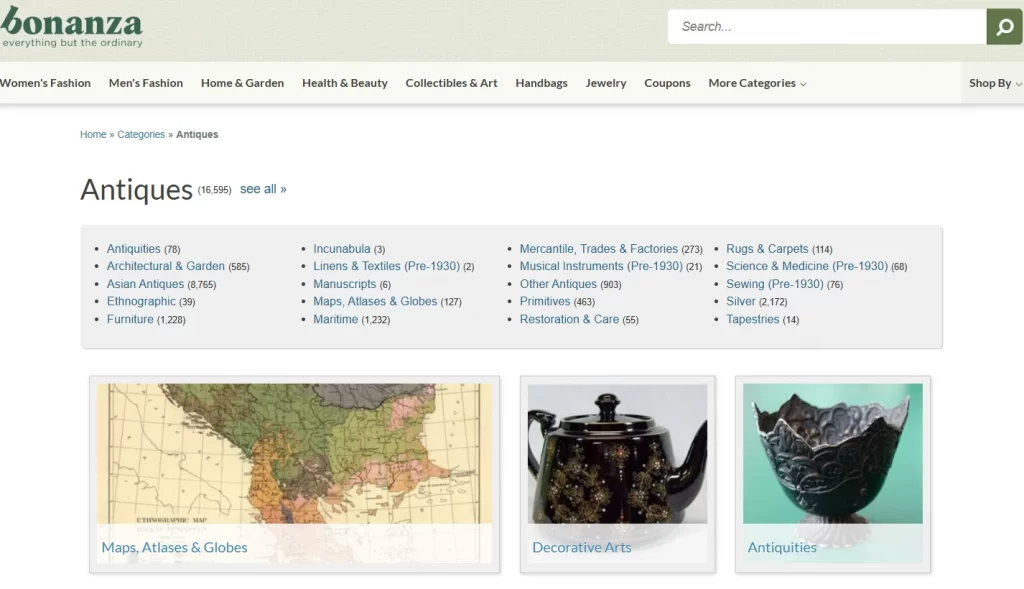
Traffic: 547K monthly visits
Pros:
- No standard upfront listing fees before an item sells
- User-friendly interface for accessible listing and management of antique items;
- Extraordinary items focusing, making it an ideal platform to sell antiques online;
Cons:
- Smaller user base compared to other platforms, potentially limiting the number of potential buyers;
- Less established reputation compared to more well-known platforms.
Selling fees:
- Account setup fee: New sellers pay a one-time fee of $14.99.
- Membership plans:
- Gold: $25/month
- Diamond: $113/month
- Titan: $167/month
- Transaction fee: If you don’t have an active membership, Bonanza charges $0.25 per completed sale.
- Final value fee: Starts at a minimum of 11% of the final offer value.
- Monthly listing fee: The first 50 listings are free. After that, you’ll pay $0.03 per item per month, capped at $20.
9. Craigslist
From our experiences, Craigslist is the best app to sell antiques.
Craigslist is a long-running classifieds platform built around local buying and selling. While its design hasn’t changed much, it’s still a bustling hub for classified ads of all kinds. For antique sellers, it’s especially useful for smaller items like collectibles, vintage toys, vinyl records, or decor that appeal to local buyers.
Craigslist also operates across a very large network of local city and regional sites in the U.S. and internationally.
However, Craigslist does not provide escrow or integrated online payment options, meaning transactions are typically done in cash or via direct wire transfer. This often requires meeting buyers in person, which can make the selling process more hands-on, and calls for safety precautions when arranging meetups with strangers.
Craigslist is best for sellers who offer:
- antique furniture
- architectural pieces
- lamps
- trunks
- local estate finds
Craigslist is less ideal for:
- very high-value antiques
- provenance-heavy collector pieces
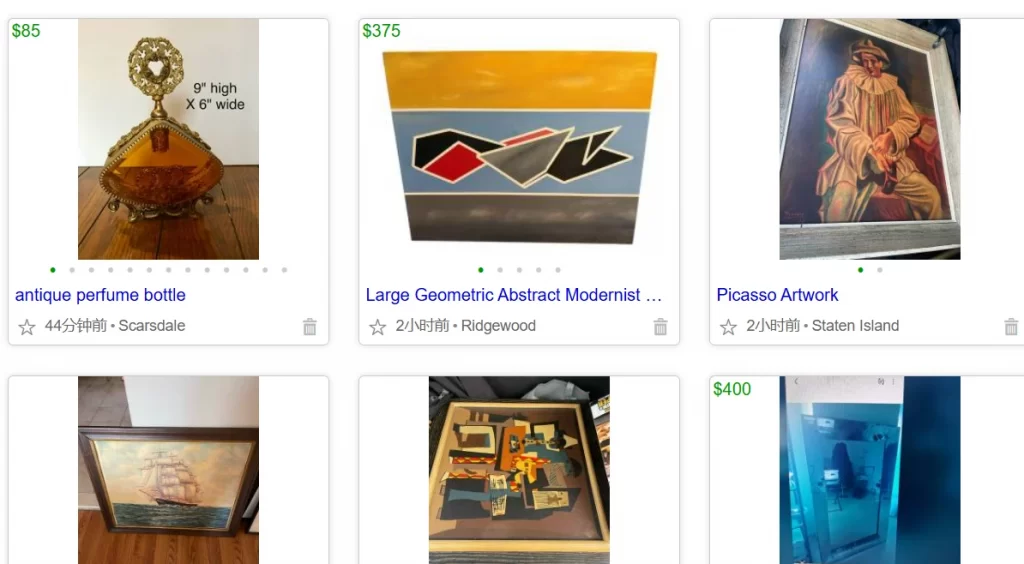
Traffic: 108M monthly visits
Pros:
- No listing fees for most item categories
- Strong local reach, great for selling antiques near you
- No need to build a storefront or go through a seller approval process
- Large local-site network across many cities and regions
Cons
- No secure payment options, only cash or wire transfers
- In-person meetups required, with associated safety considerations
- Risk of scams, requiring extra caution
Selling fee:
- Antique listings remain free (no posting or commission fees)..
10. Shopify
Shopify is our last choice for the best places to sell antiques online.
Shopify is different from every platform we’ve covered so far because it is not a marketplace. It is an eCommerce platform that lets you build your own online store, manage products, process orders, and sell across channels from one backend.
With nearly 3 million stores worldwide, Shopify is a strong fit for growing and large businesses, and it’s widely recognized for its robust features and flexibility.
Plus, this platform offers various plan packages for sellers at different prices. For more details about Shopify pricing plans, read through our article about how much is Shopify.
To get started as a newbie, you can take advantage of Shopify’s 3-day free trial, which does not require any credit card information. If you want to learn how to open an online shop on Shopify, our Shopify tutorials for beginners will help you.
Shopify is best for sellers who:
- have a clear brand identity
- want to build a standalone antique business
Shopify is not ideal for who:
- need instant buyer traffic
- have only a few one-off antique pieces
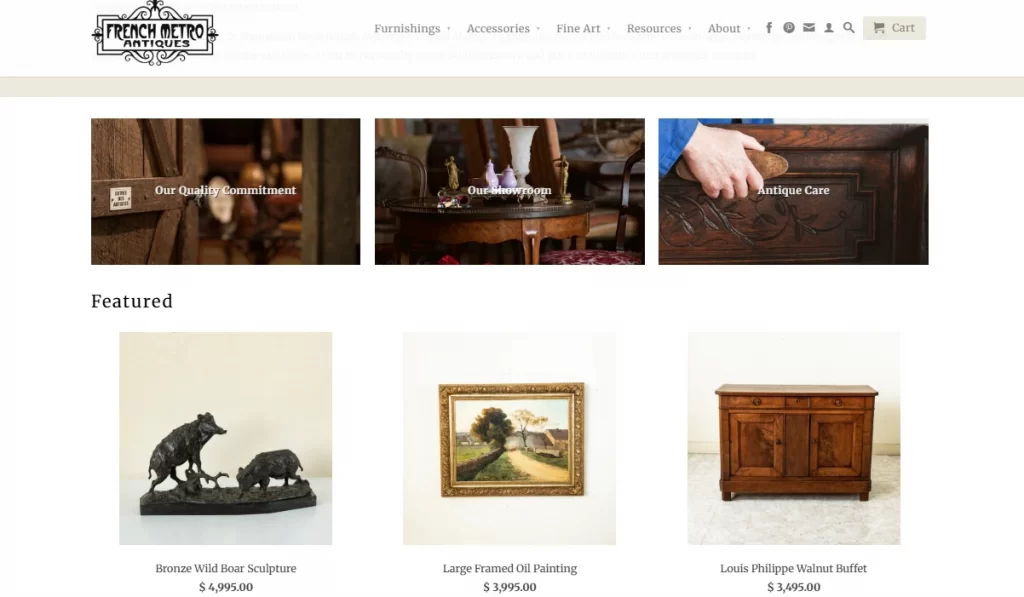
Pros:
- Full control over your brand, store design, and customer experience
- Better for building long-term customer relationships
- Secure payment processing for customer trust and convenience;
- Integration with apps and services for enhanced functionality.
Cons:
- Requiring transaction fees for each sale
- No built-in marketplace traffic, so you must generate your own visitors
- Monthly subscription cost applies even when sales are low or inconsistent
- Usually requires more work across SEO promotion than listing
Learn more about Shopify pros and cons before making a decision.
Pricing:
- Shopify Pricing Plans
- Shopify Starter – $5/month + 2.9% plus 30 cents per transaction
- Basic – $29/month + 2.9% plus 30 cents per transaction
- Grow – $79/month + 2.6% plus 30 cents per transaction
- Advanced – $299/month + 2.4% plus 30 cents per transaction
- Shopify Plus – $2300/month
- Advertising fees
Our Final Rankings: Best Platforms to Sell Antiques Online
Now, we evaluate the best places to sell antiques based on the following criteria:
- Ease of use
- Traffic
- Buyer quality
- Fees value
- Suitability for antiques (this factor is weighted twice)
Platform | Ease of use | Traffic | Buyer quality | Fees value | Suitability for antiques | Overall score |
eBay | 8 | 10 | 7 | 7 | 8 | 8.0 |
Etsy | 9 | 9 | 6 | 6 | 8 | 7.7 |
Ruby Lane | 6 | 6 | 9 | 7 | 9 | 7.7 |
1stDibs | 4 | 6 | 10 | 5 | 10 | 7.5 |
Chairish | 7 | 7 | 8 | 6 | 9 | 7.7 |
LiveAuctioneers | 5 | 7 | 9 | 6 | 10 | 7.8 |
Facebook Marketplace | 10 | 10 | 5 | 9 | 6 | 7.7 |
Bonanza | 8 | 5 | 5 | 8 | 7 | 6.7 |
Craigslist | 9 | 6 | 4 | 9 | 5 | 6.3 |
Shopify | 6 | 4 | 8 | 6 | 5 | 5.7 |
Best Places to Sell Antiques Online by Seller Type
Choosing the right platform starts with understanding what you sell, who you want to reach, and how buyers shop for that type of antique.
Also, different platforms are better suited for different types of sellers:
- Beginners and casual sellers: Etsy, eBay, Facebook Marketplace
- Furniture sellers: Facebook Marketplace, Craigslist, Chairish
- Serious antique dealers: Ruby Lane, eBay, LiveAuctioneers
- Luxury sellers: 1stDibs, Ruby Lane
- Rare items: eBay, LiveAuctioneers
- Low-cost selling: Facebook Marketplace, Bonanza, Craigslist
- Brand building: Shopify
Find out more 27+ best selling platforms to start selling antiques.
Tips to Sell Antiques Online Successfully
Finding the best places to sell antiques online is just the very first step of your antique business. Here are some key tips to help you sell your antiques more effectively:
1. Describe your items carefully
Accuracy is critical when selling antiques, especially since many platforms have strict requirements. For example, Etsy requires your listing must clearly explain the item’s age, condition, materials, repairs, signs of wear, and any known history or provenance.
The more transparent you are, the more confident buyers will feel.
2. Use high-quality photography
Photos are often the first thing buyers notice. Make sure to include clear, high-resolution images from multiple angles, along with close-ups of important details like marks, textures, and imperfections.
Natural lighting works best, and showing scale (e.g., placing the item in a room or next to common objects) can help buyers better understand what they’re purchasing.
3. Offer safe and reliable payment options
Antiques can range from moderately priced to very high-value items, so buyers need to feel secure when making a purchase. Platforms like Etsy and eBay already integrate trusted payment processors, which helps build confidence.
However, if you’re selling on platforms like Facebook Marketplace or Craigslist, you should be more cautious. Always:
- Avoid risky payment methods
- Prefer secure or in-person transactions
- Be clear about payment terms upfront
This helps protect both you and your customers.
4. Expand to multiple channels to maximize sales
To grow your antique business, don’t rely on just one platform. Multichannel selling allows you to reach more buyers and increase your chances of making sales. For example, you can use:
- eBay or Etsy for global exposure
- Facebook Marketplace as a free additional channel for local buyers
However, managing multiple channels can come with challenges:
- Risk of overselling and disappointing customers
- High workload from handling listings, messages, and updates
- Inconsistent data like pricing and inventory across platforms
To solve this, multichannel selling tools like LitCommerce help you list and manage products across multiple channels (Etsy, eBay, Facebook Marketplace, and more) in one place. This way, you can expand your reach without adding extra complexity.
Try LitCommerce Multichannel Selling Tool for Free
You can get access to premium features for 7 days. No hidden costs. Just focus on selling your antiques and generating profits; LitCommerce handles your multichannel operation.
Best Places to Sell Antiques Online – FAQs
1. How do I determine the value of my antiques?
The best way to determine the value of antiques is to consult with professional appraisers, antique dealers, or use online resources such as price guides, auction results, and antique marketplaces. They can provide insights into the current market value and help you price your items accurately.
2. What is the best way to sell old antiques?
Some of the best ways to sell old antiques are:
– Working with “Brokers” or Advisors
– Auction Houses
– Consignment Stores
– Direct Sales to Antique Dealers
– Estate Sales
– Open an online antique store (sell on marketplaces, or create your own online store)
3. What should I do to prepare my antiques for sale?
When preparing your antiques for sale, you should:
– Clean and repair any damage to ensure they are in good condition.
– Take high-quality photographs that effectively showcase the details and features of each item. Conduct thorough research on the history and provenance of the antique to provide potential buyers with relevant information.
– Organize and document any supporting paperwork, such as certificates of authenticity or appraisals, to enhance the credibility and value of the items.
4. Where to sell antiques offline?
Here are some popular offline venues where to sell antiques:
– Antique shops and malls: Traditional antique shops and malls provide dedicated spaces for selling antiques.
– Flea markets and vintage fairs: Flea markets and vintage fairs offer a vibrant marketplace where antique sellers can set up stalls or booths.
– Auction houses: Auction houses specialize in selling valuable and collectible items, including antiques.
– Estate sales and liquidation sales: Participating in estate sales or organizing your own can be a way to sell antiques, especially if you have a range of items to offer.
– Antique shows and exhibitions: Participating in antique shows and exhibitions allows you to showcase your antiques to a targeted audience of collectors and enthusiasts.
Moreover, you can also search “where to sell antiques near me” on any search tool if you are seeking a nearby place to sell your antiques.
5. What kind of antiques sell best?
Some of the antiques that sell best include:
– Vintage jewelry and watches
– Mid‑century modern furniture
– Fine art and prints
– Porcelain and ceramics
– Vintage toys and collectibles
– Antique silver and flatware
– Rare books and manuscripts
– Vintage fashion and designer accessories
Conclusion
Hopefully, this article has addressed your concern: Where to sell my antiques online? You have many options if you’re looking for the best places to sell antiques. You can sell them online through the best website to sell antiques, like eBay or Etsy, or you can sell them in person at antique malls, auctions, or flea markets. Researching and comparing your options is vital to finding the best fit for your specific antiques and circumstances.
Looking to sell your antiques on multiple channels? Look no further! Contact us now and let LitCommerce assist you with seamless marketplace integration.