

Is Amazon Marketplace The Same As Amazon?
No, Amazon Marketplace is not the same as Amazon. The two run inside the same shopping experience, but Amazon sells inventory it owns directly, while Amazon Marketplace is the space where independent, third-party sellers list and manage their own products on Amazon.com. That distinction is the core of this Amazon vs Amazon Marketplace comparison, since it changes who controls pricing, inventory, and customer service.
Amazon Retail and Marketplace listings often sit on the same product page, sometimes even ship out of the same warehouse, so it’s easy to lose track of which one you’re actually up against as a seller. That’s the part that matters for you: it decides who sets the price, who owns the stock, and who deals with the customer when an order goes wrong. Here are the 6 places where Amazon and Amazon Marketplace pull apart:
- General platform features
- Products
- Seller fees
- Inventory source and management
- Fulfillment and shipping
- Returns and customer service
Let’s get into it.
Expand Beyond Amazon Today with LitCommerce
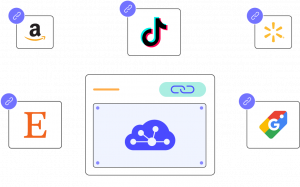
The good news is you can easily expand to the most dynamic selling sites once you go live on Amazon. Try the LitCommerce Multichannel Sync tool and unlock new eCommerce potential now!
What is Amazon vs Amazon Marketplace?
Before we delve into our Amazon Marketplace vs Amazon in-depth comparison, let’s get to know the highlights of both sides. In this section, we will cover two main points:
- What is Amazon?
- What is Amazon Marketplace?
What is Amazon?
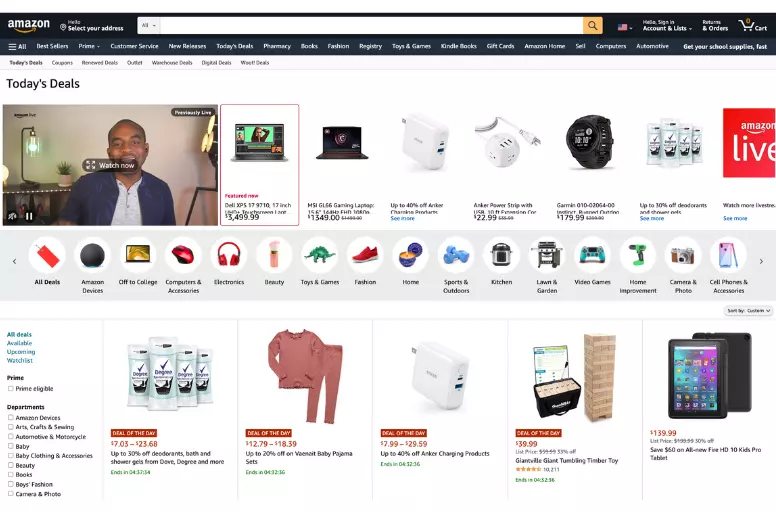
Amazon is one of the top online retailers in the world, available across a wide range of countries and languages. Beyond running its own retail catalog and selling directly to shoppers, Amazon also opens its platform for other individuals and businesses to list and sell their own products, using its powerful ecosystem of eCommerce tools
Speaking of which, some of the most popular eCommerce toolsets for online merchants on Amazon include:
How it works?
In this role, and this is the first big contrast in our Amazon vs Amazon Marketplace comparison, Amazon acts as the seller itself. Specifically, it buys inventory directly from brands and manufacturers through Vendor Central, sets the retail price, and lists the product as “Sold by Amazon.com.” From that point on, Amazon owns the stock, controls pricing, and handles storage, packing, shipping, and customer service for every order.
Meanwhile, brands that supply Amazon this way are called vendors, not sellers, a distinction that matters because it changes who holds the control. In practice, a vendor sells its products to Amazon at wholesale price, and then Amazon decides how to price and market them to shoppers. On top of that, most vendor accounts are invite-only, and Amazon can adjust price or order volume at any time, without needing the brand’s approval.
Pros of selling through Amazon (Vendor Central)
- Instant trust and scale. Products carry the “Sold by Amazon.com” label, which shoppers trust by default, and in turn get exposure to Amazon’s full customer base without building an audience from scratch.
- Zero fulfillment workload. Amazon buys the inventory outright and handles storage, shipping, and customer service, so vendors are not running day-to-day operations.
- Stronger ad and merchandising placements. Vendor accounts unlock features like A+ Content and Amazon Vine reviews earlier than most Marketplace sellers get access to them.
- Predictable, bulk-style revenue. Vendors get paid for wholesale orders Amazon places, not per individual sale, which can simplify cash flow forecasting.
What is Amazon Marketplace?
Continuing our comparison of Amazon vs Amazon Marketplace, let’s look at Amazon Marketplace. In short, Amazon Marketplace is where third-party sellers list and sell their own products, right inside Amazon.com. Amazon opened it up to outside sellers back in 2000, and since then, it has grown into the larger share of what actually sells on the platform today.
Because of Amazon Marketplace, shoppers get access to a much wider range of products from thousands of outside sellers, plus more options to compare prices for the same item. In fact, Amazon Marketplace is so tightly built into Amazon.com that most buyers don’t even realize they are buying from a third-party seller, not Amazon itself. This guide will help you see that distinction clearly.
And for many sellers, the decision doesn’t stop at whether to sell on Amazon. Once they’re in, a lot of them start looking into how to integrate Amazon with the other channels they already sell on, so Amazon doesn’t end up running as a separate, disconnected operation.
How It Works
Since Amazon Marketplace works like an open marketplace, getting started is simple. Individuals and small businesses create a Seller Central account, which they use to manage everything about their store.
Once inside, sellers control nearly everything Amazon controls on its own retail side, just for their own products instead. They set their own prices, write their own listings, and manage their own stock levels.
On top of that, sellers choose how their orders get shipped. They can pack and ship orders themselves, known as Fulfillment by Merchant (FBM), or let Amazon handle it through Fulfillment by Amazon (FBA). Either way, the seller, not Amazon, is the one responsible for keeping stock available and orders moving.
Pros of selling through Amazon Marketplace
- Open, self-service access. Anyone can create a Seller Central account and start listing products within days, with no invitation required.
- Full pricing and listing control. Sellers set their own price, write their own copy, and can update either at any time.
- Prime eligibility through FBA. Sellers do not need their own warehouse or delivery network to offer fast, Prime-badge shipping.
- Direct sales data. Sellers see their own order history, customer reviews, and performance metrics, something Vendor Central does not offer in the same depth.
Our Methodology: How We Compared Amazon vs Amazon Marketplace
We didn’t build this Amazon vs Amazon Marketplace comparison from documentation alone. Our team works daily with sellers running both Vendor Central and Seller Central accounts, and that gives us a direct, working view of how these two models actually behave, not just how Amazon describes them on paper.
Because of that, instead of listing generic platform features, we focused on what actually shapes a seller’s day-to-day experience and bottom line: how much control they have over pricing and listings, what it really costs to sell, who handles storage and shipping, and how much risk sits on their shoulders when something goes wrong.
Beyond firsthand experience, we also check every fee, policy, and account requirement in this guide against Amazon’s official pages, including Seller Central help docs, the current Amazon fee schedule, Vendor Central program information, and Amazon’s published return policy. We don’t rely on third-party estimates for anything Amazon publishes directly, since policy and fee structures change often, and only Amazon’s own pages reflect the current version.
With that combination of hands-on experience and verified sources to make a clear view of Amazon vs Amazon Marketplace, we did not rank Amazon or Amazon Marketplace as “better” overall, since they serve different sellers with different goals. Instead, each section below states clearly which side wins on that specific point, so you can weigh what matters most to your own business.
6 Key Differences Between Amazon vs Amazon Marketplace
Here’s the most exciting part of our comparison. In the upcoming sections, LitCommerce is going to cover 6 major differences between Amazon.com vs Amazon Marketplace. For now, let’s not keep you waiting; here is a quick side-by-side before we break each one down.
Now, let’s analyze these 5 aspects!
Criteria | Amazon | Amazon Marketplace |
General platform features | Invite-only, Amazon manages the listing | Open signup, seller manages the listing |
Products | Mostly new inventory, plus open-box and refurbished items via Amazon Resale and Renewed | New, used, refurbished, and collectible items, listed by individual sellers |
Seller fees | Negotiated wholesale price, with deductions like Marketing Co-Op fees and compliance chargebacks | Selling plan fee ($0.99/item or $39.99/month) + referral fee (8-15%) + optional FBA fees |
Inventory source and management | Amazon controls the full delivery lifecycle, powering Prime's fastest shipping speeds | Depends on the seller: FBA gets Prime-level speed, FBM puts delivery on the seller |
Fulfillment and shipping | Amazon controls the full delivery lifecycle, powering Prime's fastest shipping speeds | Depends on the seller: FBA gets Prime-level speed, FBM puts delivery on the seller |
Returns and customer service | Handled entirely by Amazon, 30-day return window, 24/7 support | Handled by Amazon under FBA, or by the seller under FBM, backed by the A-to-z Guarantee |
#1. General platform features
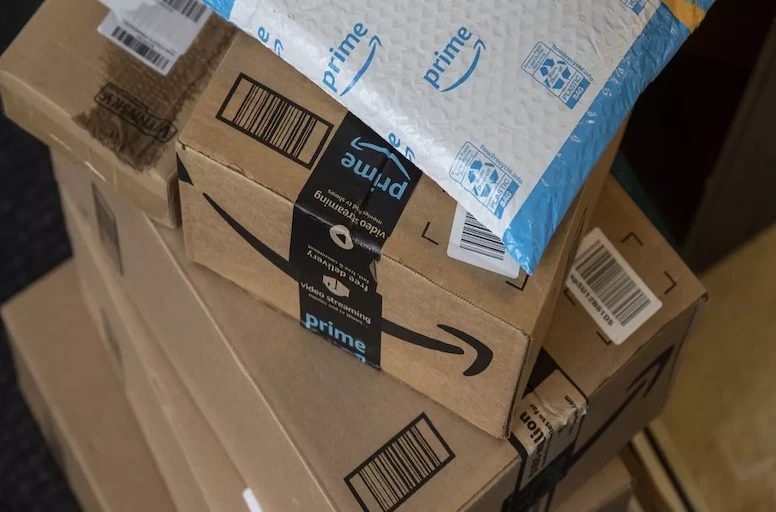
Although both Amazon vs Amazon Marketplace live under the same retail interface, the two operate on very different models and platform orientations. Here is what actually separates them.
Amazon’s general characteristics
One standout characteristic of Amazon is its selling model: Amazon operates as a direct retailer, buying and reselling inventory itself rather than opening its platform for outside sellers to list freely.
Because Amazon controls the entire chain, sourcing, pricing, storage, and delivery, it can move fast and stay consistent at scale. That control is backed by heavy investment in its own fulfillment infrastructure and buying operations, but it also means access stays closed: getting a product onto Amazon’s shelves isn’t a matter of signing up, it’s a matter of Amazon deciding it wants that product in the first place.
Amazon Marketplace’s general characteristics
Unlike Amazon’s own retail, Amazon Marketplace is a platform tightly integrated into Amazon’s storefront that lets independent sellers list and sell their own products to the same customers Amazon serves. As a seller here, you get access to:
- A full set of merchant tools to promote, manage, and fulfill your own products
- GenAI-driven listing generators to help write and optimize product listings faster
- Amazon Ads for self-serve advertising on your own listings
- Logistics infrastructure like Supply Chain by Amazon (SCA) and FBA, so you can outsource storage and shipping if you choose to
Verdict: One major difference between Amazon and Amazon Marketplace surely comes from their basic operating models. While Amazon Retail operates as a first-party merchant, purchasing and selling inventory directly to shoppers, Amazon Marketplace serves as a platform and service ecosystem that empowers independent merchants to sell to the same customer base.
#2. Products
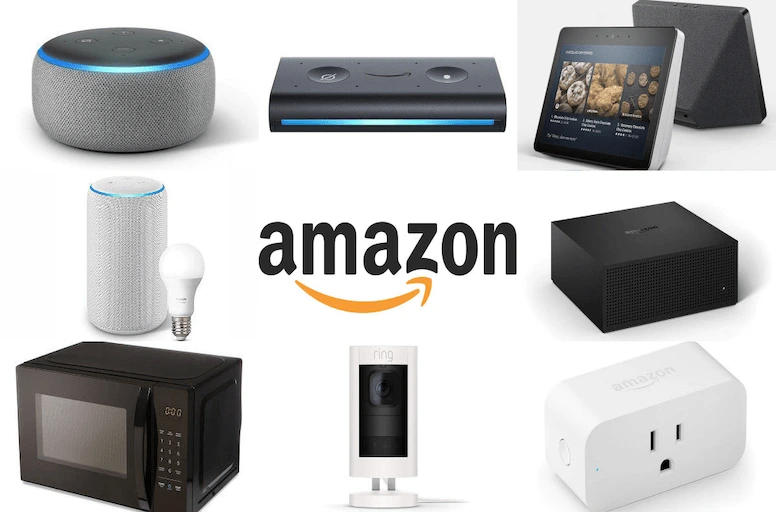
Beyond who runs the store, sellers also want to know one thing: what can I actually sell, and who am I selling next to? This is one of the first things people run into when comparing Amazon vs Amazon Marketplace, and the answer differs quite a bit on each side.
On the one hand, product ranges on Amazon retail vs Amazon Marketplace don’t vary much from each other. Both have gone to great lengths, which include beauty products, electronics, and almost anything else to achieve desired sales revenue.
There are two significant differences between products on Amazon.com vs Amazon Marketplace, explained as follows.
- Amazon only sells new products, all under its own retail brand. Every item is listed as “Sold by Amazon.com,” which means it belongs to Amazon’s own storefront, not the original manufacturer’s or seller’s brand presence.
- Amazon Marketplace is much more open. You can sell new, used, refurbished, and even handmade items through Amazon Handmade. Because anyone can sign up, the sellers here range from solo makers selling one handmade item, to resellers, private label brands, and full-scale businesses running hundreds of products.
If reselling is specifically the model you’re leaning toward, sourcing products already made by other brands rather than manufacturing your own, our guide on how to resell on Amazon walks through how to source, price, and list those products.
Finally, listing products requires valid Global Trade Item Numbers (GTINs), such as 12-digit UPCs or 13-digit EANs, verified directly against the international GS1 database. Amazon actively validates barcode authenticity and reserves the right to suppress or remove listings that fail GS1 data verification, unless an official GTIN Exemption is granted.
Tip for Amazon Marketplace sellers: Since you’re the one deciding what to list, it helps to analyze high-velocity categories and use market analytics tools to find high-demand items before committing to a product.
Verdict: Category breadth between Amazon vs Amazon Marketplace is nearly identical, so the real difference in products comes down to ownership and brand. On Amazon, every product is new and sold under Amazon’s own retail brand. On Amazon Marketplace, sellers list under their own brand or identity, in whatever condition fits their business: new, used, refurbished, or handmade.
Sell Your Best Products on Amazon and More!
Why limit your selling potential by listing products on one channel? Try out the LitCommerce Multichannel Sync tool and start selling on Amazon and 20+ dynamic marketplaces now!
#3. Seller fees

Coming to the third aspect of the Amazon vs Amazon Marketplace comparison, it’s time to talk about seller fees. Keep scrolling through and get a grasp of how costs differ between supplying directly to Amazon vs selling on Amazon Marketplace right below.
Amazon direct supplier cost structure
When a business sells directly to Amazon as an official supplier or vendor, Amazon buys the inventory in bulk at a negotiated wholesale price. Because Amazon becomes the retailer at that point, vendors skip the subscription and per-unit fulfillment fees Marketplace sellers deal with. Instead, the real cost shows up through a set of deductions built into the supplier contract:
- Wholesale pricing: Amazon typically negotiates to buy at 40% to 60% of the eventual retail price, though the exact rate depends on the category and the deal.
- Marketing Co-Op fees (Contra COGS): a negotiated deduction Amazon takes to cover promotional and marketing costs.
- Freight and damage allowances: deductions that account for shipping costs and product damage during transit.
- Compliance chargebacks: penalties applied if a shipment doesn’t meet Amazon’s packaging, labeling, or Advance Shipping Notice (ASN) requirements.
Amazon negotiates the wholesale price down this low for more than just its own margin. It also needs room to cover the operational costs it absorbs on the vendor’s behalf, mainly:
- A pricing buffer for its repricing algorithm, which constantly adjusts the retail price to stay competitive with other online store
- Storage and Prime shipping costs, since Amazon is the one warehousing, packing, and delivering every order once it owns the inventory
In exchange for accepting these deductions, the vendor is fully relieved of fulfillment. Amazon handles storage, shipping process, and customer support entirely on its own, at its own cost, once the inventory is in its warehouse.
Amazon Marketplace’s seller fees
On the other hand, sellers on Amazon Marketplace list and sell their own products directly to shoppers, and the cost structure looks nothing like the negotiated wholesale deal vendors deal with. Instead, Marketplace charges through a multi-tiered fee system:
- Selling plans: Sellers can choose between an Individual plan ($0.99 per item sold, no monthly fee) and a Professional plan ($39.99/month, which waives the $0.99 per-item fee and unlocks advanced selling tools).
- Referral fees (category commission): Apply to all plans and take a percentage of each product’s sale price (typically between 8% and 15%, depending on the category).
- Fulfillment & storage fees: Applicable if sellers use Fulfillment by Amazon (FBA) for warehousing, pick-and-pack, and shipping.
- Additional fees: Media closing fees (for books, music, and video), optional Amazon Ads costs, and return processing fees.
You may be interested in: Amazon Pricing Strategy: Pricing Lessons for Sellers in 2026
Verdict: The difference in fees between Amazon vs Amazon Marketplace comes down to how the cost is structured, not just how much it is. Amazon retail folds its cost into one negotiated wholesale price, with deductions the vendor has little control over. Amazon Marketplace charges in smaller, recurring pieces: a selling plan fee, a referral fee, and FBA costs if used, which gives sellers more control over their margin, but also more moving parts to manage and optimize.
#4. Inventory source and management
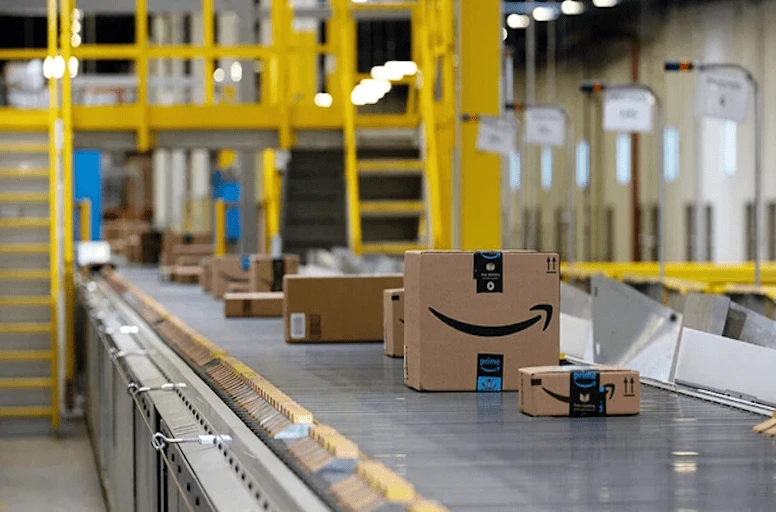
Here’s the 4th key difference between Amazon vs Amazon Marketplace: inventory source and management. Now, let’s get to the details!
With direct retail inventory, Amazon buys products in bulk from suppliers and fully owns them. Because Amazon acts as the seller, the company manages everything in-house: it forecasts demand, stores items in its own warehouses, and ships them straight to buyers when orders come in.
On the other side, the inventory model on Amazon Marketplace works quite differently. Amazon does not own the products listed by third-party sellers, so ownership stays entirely with the merchants. From there, sellers get to choose how they want to handle their own stock:
- Fulfillment by Amazon (FBA): Sellers store their inventory in Amazon’s fulfillment centers, allowing Amazon to physically manage storage, packing, and Prime delivery on the seller’s behalf.
- Fulfillment by Merchant (FBM): Sellers maintain full physical control, storing inventory in their own facilities and handling packing, tracking, and shipping directly to buyers.
Both FBA and FBM still require the seller to own stock at some point. Sellers looking how to sell on Amazon without inventory are usually exploring a different model altogether, like dropshipping or print-on-demand, where a third-party supplier holds and ships the product, and the seller never touches physical stock.
If FBA still sounds like the better fit for you, since it’s the most hands-off of the two inventory-owning models, our guide on How to Start an Amazon FBA Business for Beginners in 2026 walks through the setup process step by step.
Verdict: The real difference between Amazon retail and marketplace in inventory comes down to who owns the stock and who’s responsible for moving it. On Amazon Retail, Amazon owns the inventory outright and manages it entirely in-house. On Amazon Marketplace, the seller always owns the inventory but decides whether Amazon or they handle the physical work of storing and shipping it.
#5. Fulfillment and shipping
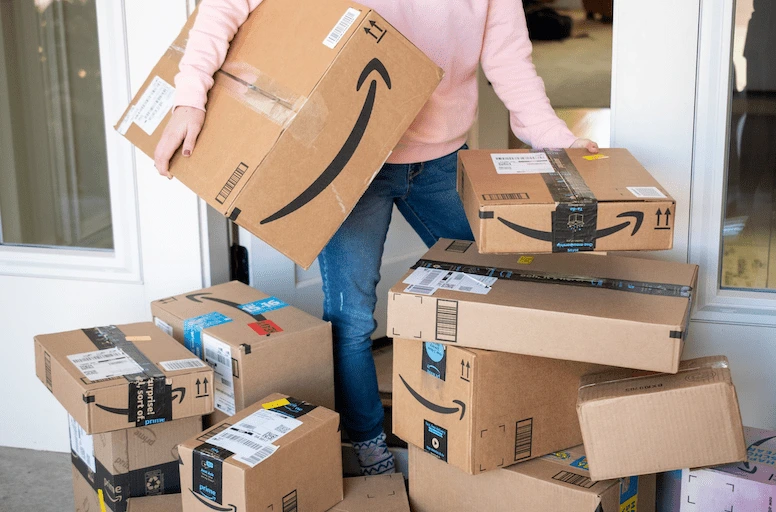
To fully understand the difference between Amazon vs Amazon Marketplace, it is essential to consider fulfillment and shipping.
For its own retail operations, Amazon handles fulfillment entirely in-house through its logistics network and automated fulfillment centers. As a result, Amazon controls the entire delivery lifecycle, from when stock arrives at the warehouse to when it reaches the buyer’s door. This is exactly what makes Prime’s two-day, next-day, and same-day delivery possible, since Amazon never has to depend on an outside party to hit those speeds.
On Amazon Marketplace, however, delivery speed depends entirely on which fulfillment method the seller chooses.
- If a seller uses FBA, Amazon takes over shipping, so the listing gets the same Prime delivery speeds as Amazon’s own retail products.
- If a seller uses FBM instead, they become responsible for hitting Amazon’s delivery standards themselves, whether through their own warehouse or a third-party logistics partner
And if those shipments run consistently late, the seller risks losing the Prime badge or getting penalized in search ranking. This is why many sellers run both methods at once, using FBA for fast-moving products and FBM for slower or bulkier items, to balance cost against speed.
Verdict: The major difference lies in operational control versus merchant flexibility. Direct Amazon retail relies strictly on Amazon own logistics infrastructure to guarantee fast delivery, while Amazon Marketplace provides sellers with the flexibility to either outsource fulfillment to Amazon or manage shipping independently.
#6. Returns and customer service

The 6th and final difference in our Amazon vs Amazon Marketplace comparison comes down to returns and customer service.
When Amazon is the retailer
If you’re buying from Amazon retail, one policy governs everything. Most physical items fall under a standard 30-day return window, digital media follows separate rules, and support runs 24/7 through Amazon. There’s no guessing who’s responsible: Amazon sold it, Amazon ships it, and Amazon deals with whatever comes after.
When a third-party seller is behind the sale
Amazon Marketplace splits that responsibility depending on how the seller fulfills orders. With FBA, Amazon steps in exactly as it would for its own products, managing returns, refunds, and buyer questions under its standard policy. With FBM, the seller takes over customer communication directly, though Amazon still requires their return policy to be at least as generous as its own. Either way, buyers aren’t left exposed: Amazon’s A-to-z Guarantee kicks in and refunds them if a seller drops the ball on a defect or a late shipment.
Verdict: Both Amazon and Amazon Marketplace have different resolutions for returns and customer service. However, customer service quality on Amazon Marketplace might not always be as consistent as that on Amazon.com.
Amazon vs Amazon Marketplace: FAQs
1. Is it worth selling on Amazon Marketplace?
Yes, selling on Amazon Marketplace is worth it! Selling on Amazon Marketplace can be challenging but extremely rewarding.
In fact, many companies selling on Amazon can be extremely successful. This is because they have the proper products, clever marketing strategies, tools, and customer support. Although competition is strong in nearly every category, plenty of opportunities still exist for companies to succeed.
2. Are Amazon and Amazon Marketplace the same?
No. Amazon sells its own inventory directly, while Amazon Marketplace, sometimes searched as Amazon Marketplace vs Amazon, is where independent sellers list and sell their own products on Amazon.com. They share the same storefront, but they run as two different selling models.
3. What Is the difference between Amazon and Amazon Marketplace?
The difference comes down to who owns the inventory and who controls the sale, across a few key areas:
– General platform features: Amazon is customer-centric and acts as an online retailer and service provider. Meanwhile, Amazon Marketplace approaches it as a seller service provider.
– Products: Both have similar product ranges. However, Amazon allows only new, branded products. Amazon Marketplace allows both new and used, brand and non-brand items.
– Seller fees: Amazon has a less complex fee structure than Amazon Marketplace.
– Inventory source and management: Amazon owns and manages its inventory, but Amazon Marketplace doesn’t.
– Fulfillment and shipping: Both have a variety of fulfillment and shipping choices.
– Returns and customer service: Amazon has a direct return policy and a customer support team. Amazon Marketplace returns can vary, and sellers handle customer service individually.
4. How safe is Amazon Marketplace?
Amazon Marketplace is safe, secure, and guaranteed. It provides a convenient payment method and is the only authorized and recognized form of payment on Amazon. You should never pay for a Marketplace item outside of Amazon.
5. What makes Amazon a marketplace?
The Amazon Marketplace is a marketplace for third-party sellers that is incorporated into the same platform as Amazon.
This marketplace provides users with a considerably large product selection from thousands of external merchants, as well as the ability to compare prices to keep the platform competitive.
6. Why Amazon Marketplace is the best?
Amazon Marketplace is one of the best-selling channels because of its massive audience, a wide range of selling tools, flexible shipping and order-fulfillment options, and strong advertising opportunities. With the right products and winning eCommerce strategies, you can build a strong second income on Amazon Marketplace.
Amazon vs Amazon Marketplace: Final Words
To conclude, we’ve just shown you the differences between Amazon vs Amazon Marketplace in terms of 6 key aspects:
- General characteristics
- Products
- Seller fees
- Inventory source and management
- Fulfillment and shipping
- Returns and customer service
In our view, Amazon offers massive advantages that any business should consider. There’s no should-or-shouldn’t advice; it depends on your effort and smart strategies to make your business thrive.
If you want to consider an Amazon integration that connects your existing store, whether that’s Shopify, WooCommerce, or another platform, to Amazon Marketplace, give LitCommerce a try! It’s a flexible multichannel solution that syncs your listings, inventory, and orders, and also brings your products to other top marketplaces like eBay, Etsy, Walmart, and more. Don’t hesitate to contact the customer support team if you have any questions. They’re always willing to help.
Lastly, stay tuned to our Retailers Blog for more eCommerce growth hacks to thrive like never before!