


Entering the multichannel eCommerce model may seem daunting, but choosing the right multichannel selling platform is one of the best decisions you can make for your business. From global marketplaces such as Amazon and eBay to social commerce channels like Instagram and TikTok, a single multichannel selling platform lets you reach customers everywhere without juggling a dozen logins.
This guide explains what a multichannel selling platform is, the benefits it delivers, the top channels and marketplaces to consider, and how the right multichannel ecommerce software fixes the biggest pain points sellers face today
What is Multichannel Selling Platform?
A multichannel selling platform is a software solution that lets eCommerce merchants list, manage, and sync inventory across multiple online marketplaces and storefronts from a single dashboard. Instead of logging into Amazon, eBay, Shopify, and TikTok Shop separately, a multichannel selling platform centralizes listings, orders, and stock in one place. In short, it turns scattered, channel-by-channel work into one connected, automated workflow.
You might consider this successful guide to multichannel selling to skyrocket your sales and increase your brand exposure.
Take Bride Babes, for example, a store specializing in wedding attire and accessories.
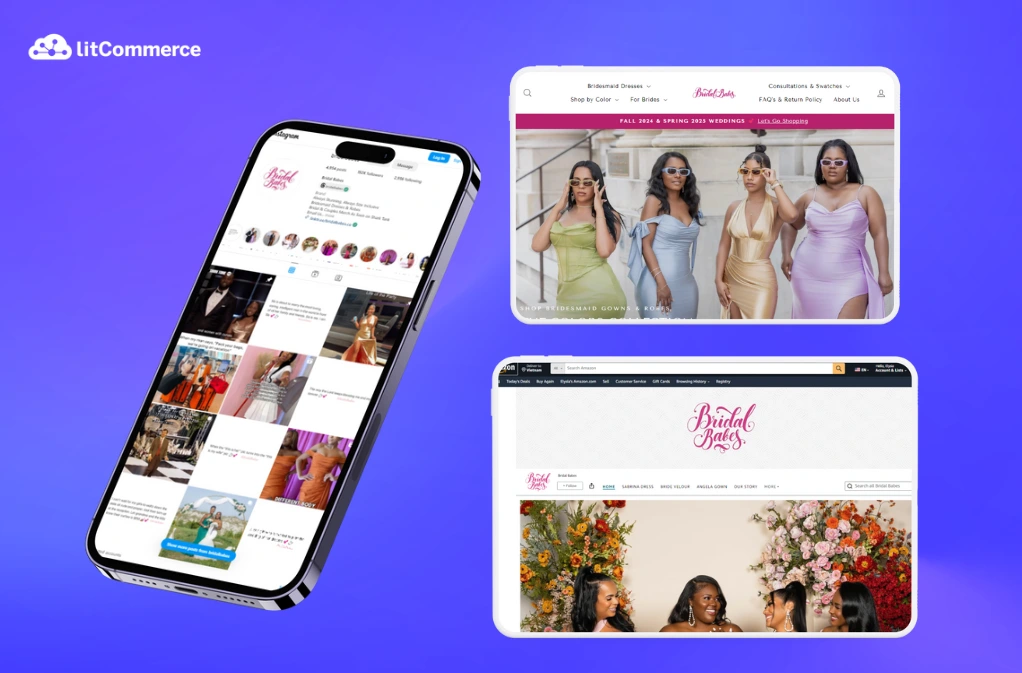
Although they also operate their own website, which acts as their primary storefront, they diversify their sales by featuring their best-selling products on Amazon because of the site’s extensive traffic and convenience delivery service trials.
In addition to setting up a solid online presence and sharing the company’s story, Bridal Babes also uses Instagram to better connect with its audience and sell products through appealing imagery and shoppable posts.
Utilizing their website in parallel with Amazon listings and an active Instagram profile has been particularly effective, contributing to their impressive $2 million in lifetime sales.
Key Benefits of Using a Multichannel Selling Platform
Selling across more than one channel has become a strategic imperative, and a dedicated multichannel selling platform is what makes that strategy manageable. Below are the core benefits sellers gain when they centralize operations through multichannel ecommerce software.
Reaching more channels elevates brand visibility
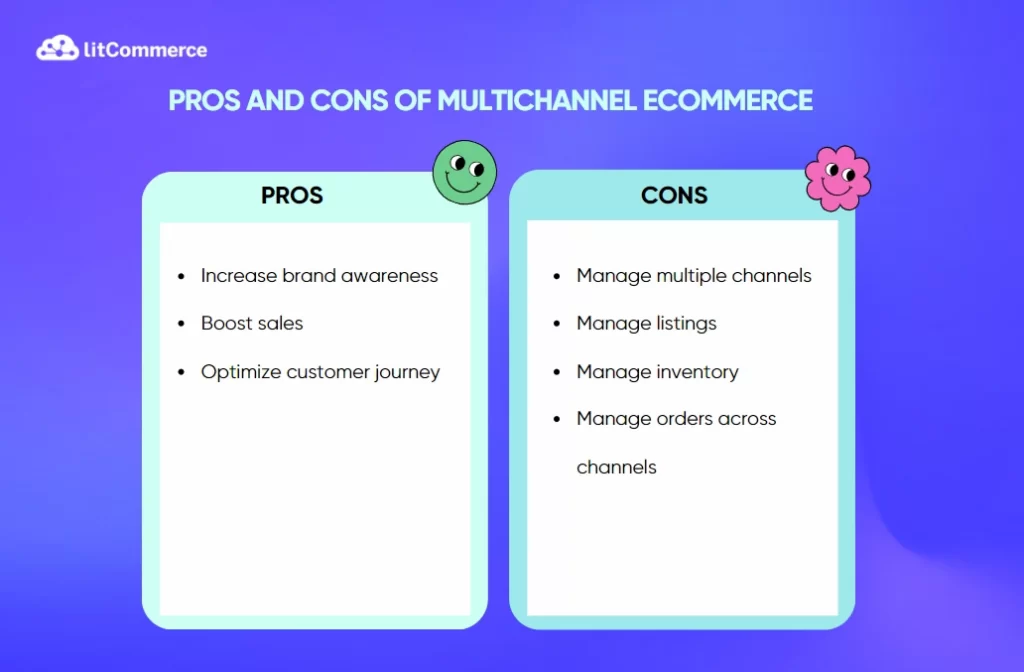
By listing on multiple sites through one multichannel selling platform, companies expand their customer base and put products in front of shoppers who would never have discovered them otherwise. Harvard Business Review found that 73% of consumers use multiple channels during their purchasing journey, so every channel a brand adds creates another touchpoint and builds familiarity.
A multichannel approach drives higher sales
The most prominent benefit is higher revenue. Every channel is an additional opportunity to sell, and customers each have their preferred place to buy. A widely cited industry report found that multichannel sellers see roughly a 190% lift in overall revenue compared with single-channel sellers — a gap a good multi-channel retail platform helps you capture without multiplying your workload.
Improving the customer journey leads to better satisfaction
A multichannel selling platform also creates a smoother buyer journey. Customers might discover a brand on social media, compare it on a marketplace, then buy directly from the website. According to research summarized by Aberdeen Group, companies with strong omnichannel engagement retain about 89% of their customers, versus only 33% for those with weak engagement.
Common challenges this solves
Running many channels manually is overwhelming: each has its own rules, listing requirements, and algorithms. Keeping listings accurate and consistent, preventing overselling, and tracking orders from every source are exactly the problems a multichannel ecommerce software is built to remove — which we cover in detail below.
Challenges of multichannel eCommerce
Juggling multiple channels is overwhelming
The main disadvantage of multichannel eCommerce is the problem-solving of multiple channels, which can make the process rather confusing. Every channel is different because it has rules, algorithms, and what clients expect from your company. Coordinating these factors can be demanding and may require a lot of time and effort, especially for some organizations.
Keeping listings accurate across platforms is challenging
Another significant challenge is ensuring that product listings are accurate, consistent, and optimized across multiple channels. Each platform may have different listing requirements, and maintaining uniformity while optimizing for each channel’s search algorithm can be daunting. Discrepancies in listings can lead to customer confusion, reduced sales, and even platform penalties.
Inventory management becomes a complex task
Managing inventories becomes even more challenging when conducting multiple-sales-channel operations. It is crucial to monitor the stock so as not to run out of stock or oversell the products, which needs proper management systems and timely updates. Out-of-stock situations, low-quality products, overstocked items, and slow-moving goods are some of the negative consequences of ineffective management of stocks.
Tracking orders across different channels is difficult
Processing orders from multiple sources, mainly through multichannel eCommerce sales points, can be quite challenging. There may be minor differences in the order processing, shipping and even the level of customer support expected in each platform. Timely deliveries and high customer satisfaction are hallmarks of optimizing processes and good coordination.
Top Multichannel Selling Platforms & Marketplaces to Consider
When building your strategy, channel choice is critical. A strong multichannel selling platform should connect to the marketplaces and social commerce channels where your buyers already are. Here are the most important ones to evaluate.
Global Marketplaces: Amazon, eBay, and Walmart
Amazon is the largest online marketplace in the world, with over 300 million active users and operations in more than 18 countries. Its tools — Amazon FBA for fulfillment and Amazon Advertising for reach — make it powerful, though sellers pay referral fees of roughly 8%–15% plus FBA and subscription costs. Connecting Amazon through a multichannel selling platform is essential if you offer competitive pricing and quality products.
eBay began as an auction pioneer and now serves more than 182 million active buyers across 190+ markets, supporting both auction and fixed-price listings. Final value fees typically run 10%–12%. It’s ideal for unique, collectible, or used items, and pairs well with any multi-channel retail platform.
Walmart Marketplace is growing fast, drawing over 120 million monthly visitors and letting third-party sellers list alongside Walmart’s own inventory. Referral fees range from 6%–20% with no monthly membership fee, and Walmart Fulfillment Services mirrors Amazon FBA. Established brands with broad appeal should add it to their multichannel ecommerce strategy.
Beyond these, marketplaces like Etsy (96M+ buyers, handmade and vintage), Shopee, Reverb, OnBuy, and Wish can all be managed through the same multichannel listing tool.
Amazon
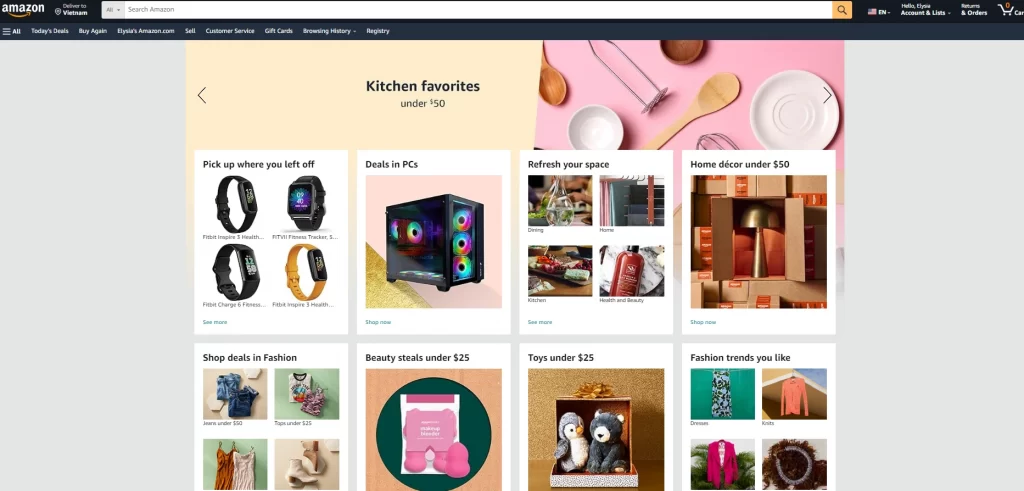
Amazon emerges as the largest and the most popular online shopping platform globally, with over 300 million active users. This platform includes people of all ages and backgrounds. More of these users are Amazon Prime users, considered loyal users of Amazon. They are also willing to pay cash for fast, free shipping and good customer service.
Operating in more than 18 countries—especially strong in the U.S., U.K., Germany, and Japan—Amazon provides sellers access to a global market. What makes Amazon even more appealing is its suite of tools, like Amazon FBA (Fulfillment by Amazon), which handles storage, packaging, and shipping. Plus, Amazon Advertising helps you get your products in front of even more potential buyers.
However, selling on Amazon isn’t without its costs. Sellers must pay a referral fee for each sale, usually 8% to 15%, depending on the product category. On top of that, there are FBA fees and monthly subscription costs for professional sellers.
In a nutshell, Amazon should definitely be part of your multichannel eCommerce strategy if you can offer competitive prices and high-quality products and are ready to invest in marketing and fulfillment to stand out in this crowded marketplace.
eBay
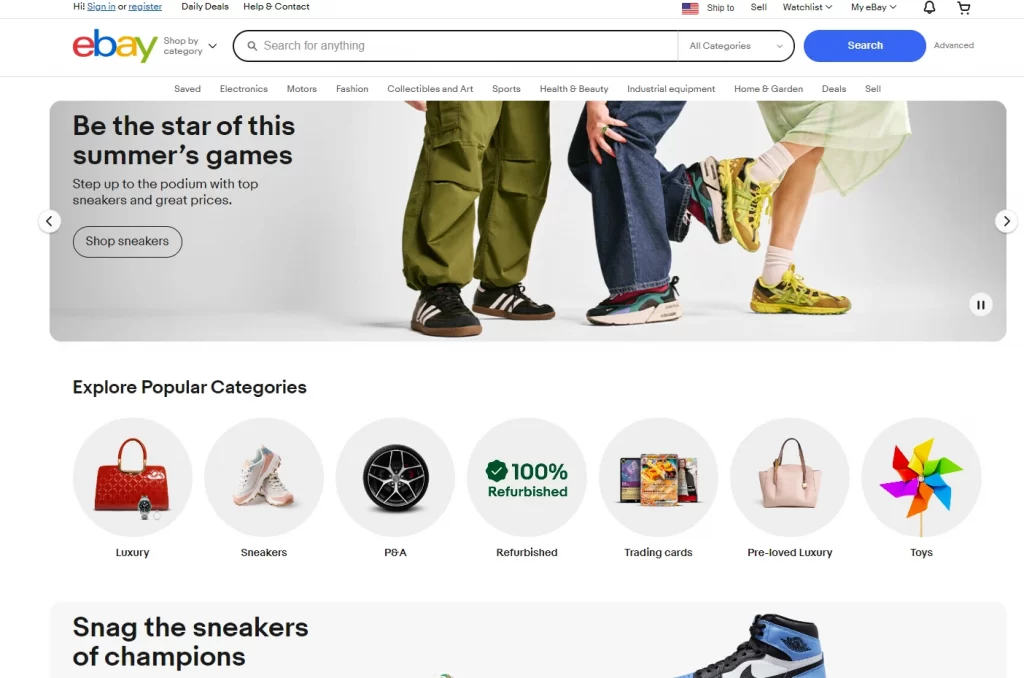
Based in San Jose, California, eBay started as one of the pioneering online selling platforms with more than 182 million active buyers While eBay mainly focuses on an auction-based business model, the company also operates fixed-price listings, which makes eBay appropriate for most kinds of sellers.
A wide array of consumers turn to eBay to engage the excitement of searching for specific items, antiques, or second-hand products. Also, the users are typically price-conscious.
This sales channel operates in more than 190 markets globally, eBay’s most significant markets include the U.S., U.K., Germany, and Australia. Sellers on eBay benefit from tools like eBay Stores, Promoted Listings, and analytics to optimize their sales strategies.
However, like Amazon, eBay charges fees—specifically, a final value fee that’s a percentage of the total sale amount, typically ranging from 10% to 12%. There are also listing fees for certain types of listings.
If you’re selling unique, collectible, or used items, eBay should be a part of your multichannel eCommerce setup, especially if you want to attract buyers looking for niche products and good deals.
Etsy
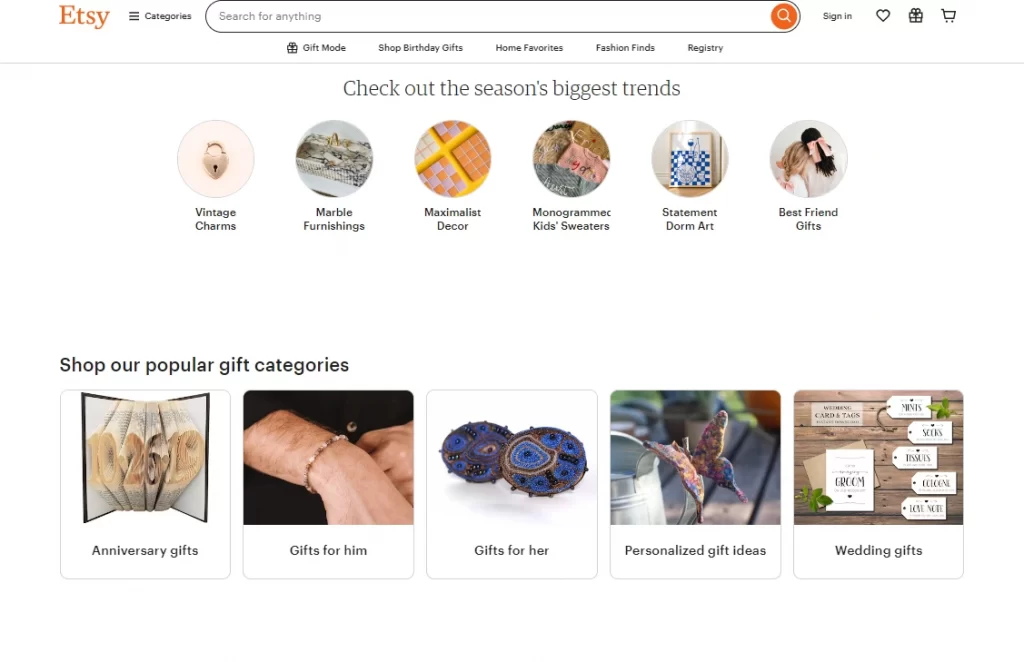
Etsy is a marketplace for handmade, vintage, and one-of-a-kind goods with over 96 million active buyers. It creates a sense of a community-based platform where customers appreciate unique, individually crafted items. Etsy shoppers are often willing to pay a premium for one-of-a-kind items and enjoy supporting independent creators.
Although Etsy focuses on the U.S., U.K., Canada, and Australia, it has started expanding to other areas of the globe. To help the sellers, Etsy has provided features such as Etsy Ads, social media connections, and analytical features to target the customers and gain better sales.
However, selling on Etsy need to pay specific fees for using the site which include a $ $20 per item listing fee, 5% commission on the selling price and 3% plus $0.25 payment processing fee.
For sellers of handmade or unique items, Etsy is an excellent choice for your multichannel eCommerce strategy, especially if you’re looking to reach a community-oriented audience.
Walmart Marketplace
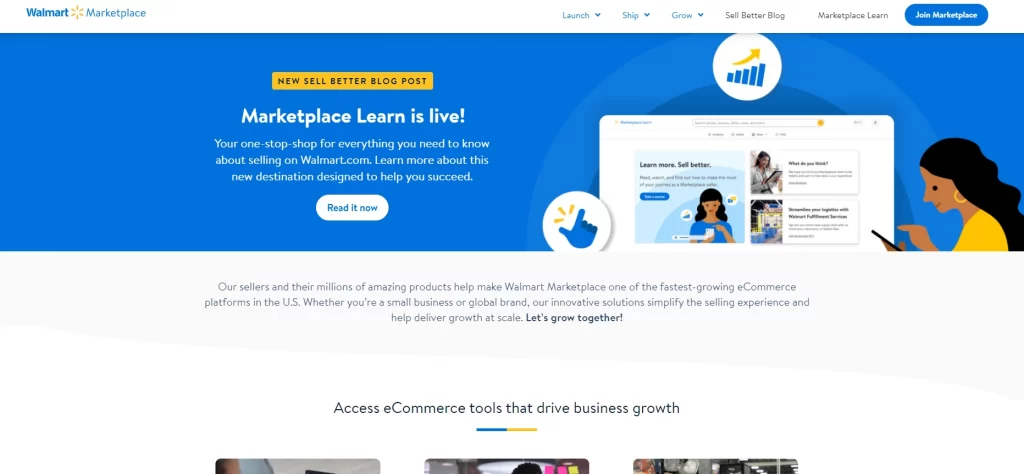
Walmart Marketplace is quickly becoming a go-to platform for third-party sellers, attracting over 120 million monthly visitors. It allows sellers to list products alongside Walmart’s inventory, giving them access to Walmart’s vast customer base. Walmart shoppers seek pragmatic solutions, as they expect the company to offer affordable products, diverse product categories, and speedy delivery services.
While Walmart Marketplace is primarily based in the United States, it is gradually going global with a concentration in North America. Currently, sellers on this platform use services such as Walmart Fulfillment Services (WFS), the same as Amazon FBA, for storage and shipping.
Nonetheless, here are some of the expected fees. Walmart takes a 6-20% referral fee for each sale made through the platform but does not have any monthly membership fees. Thus, it can be considered economical for most sellers.
If you’re an established brand or a seller with competitive pricing and broad product appeal, Walmart Marketplace should be a key part of your multichannel eCommerce strategy.
Other marketplaces (Shopee, Reverb, Onbuy, Wish)
Beyond the big names, there are plenty of other eCommerce marketplaces worth considering for your multichannel eCommerce strategy:
- Shopee: A leading marketplace in Southeast Asia and Taiwan with over 340 million monthly active users, Shopee caters to a young, mobile-savvy, and price-sensitive audience. It offers selling tools like live streaming, in-app games, and social sharing features, but sellers must pay commission and payment processing fees.
- Reverb: Dedicated to musical instruments and gear, Reverb attracts passionate musicians and music enthusiasts. Sellers benefit from listing tools, gear condition guides, and a secure payment system, though they must pay selling and payment processing fees.
- OnBuy: A rapidly growing UK-based marketplace, OnBuy appeals to customers seeking good deals and a reliable shopping experience. Sellers pay a monthly subscription fee and commission fees but benefit from listing tools and marketing support.
- Wish: Known for low prices and a wide variety of products, Wish attracts budget-conscious shoppers, often younger, who don’t mind waiting longer for shipping. Sellers on Wish must pay a revenue share and payment processing fees but can utilize tools like ProductBoost (advertising) and Wish Express (fast shipping program).
To effectively reach customers across various platforms, understanding the nuances of multichannel distribution for businesses is crucial in optimizing your multichannel eCommerce strategy.
What Sales Channels Does LitCommerce Support?
Join LitCommerce Multichannel Selling because we support 20+ selling channels, from the top global online marketplaces to the most popular niche ones, all in one place.
Social Commerce Platforms: TikTok Shop and Instagram
Social commerce is projected to reach around $2.9 trillion globally by 2026, making social channels central to any multichannel selling platform strategy.
TikTok Shop lets users discover and buy products directly inside short-form videos, with commissions of about 5% plus payment processing fees. It’s a must for trendy, eye-catching products aimed at younger audiences.
Instagram Shopping has over 1 billion monthly active users and turns posts, stories, and the Explore tab into shoppable surfaces with tools like product tags and Instagram Checkout. It charges roughly a 5% selling fee per shipment and is ideal for visually driven fashion, beauty, and lifestyle brands.
Other strong social and search channels worth connecting include Google Shopping (high purchase-intent traffic on a pay-per-click model), Facebook Shopping (massive, broad-demographic reach), and Pinterest Shop (450M+ users in home decor, DIY, and fashion).
Google Shopping
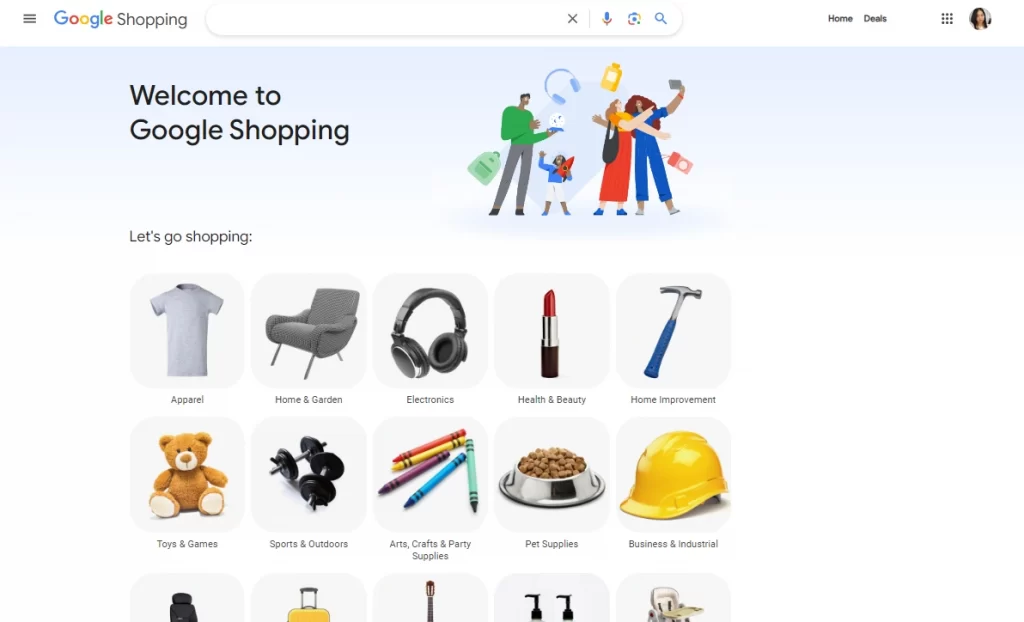
Google Shopping effectively provides traffic and increases sales due to search intent. It enables businesses to display products immediately within the Google search results page that helps in simplification of product differentiation to the consumers. With Google Shopping, you can reach billions of Google users who are actively searching for products, often with a high intent to purchase.
Google offers various tools to optimize your presence on Google Shopping, including Google Ads, product feed management, and performance tracking through Google Analytics. However, it is a pay-per-click platform, meaning you are only required to pay when someone clicks the product ad. The cost is competitive and depends on the bidding strategy and levels of competition.
In short, if your price tags are significantly lower than the competition, and your product listings are well-optimized, Google Shopping must become an inseparable part of your multichannel eCommerce plan.
TikTok Shop
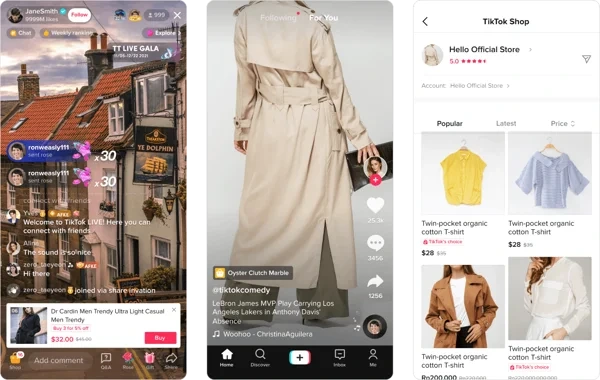
TikTok Shop is an emerging eCommerce platform within the TikTok app, allowing users to discover and purchase products directly through short-form videos. The platform’s rapid growth has become a key channel for brands targeting younger audiences.
When selling on TikTok Shop, you’ll need to pay a commission on each sale, typically around 5%, in addition to payment processing fees.
For trendy, eye-catching products aimed at a younger crowd, including TikTok Shop in your multichannel eCommerce strategy is necessary.
Instagram Shopping
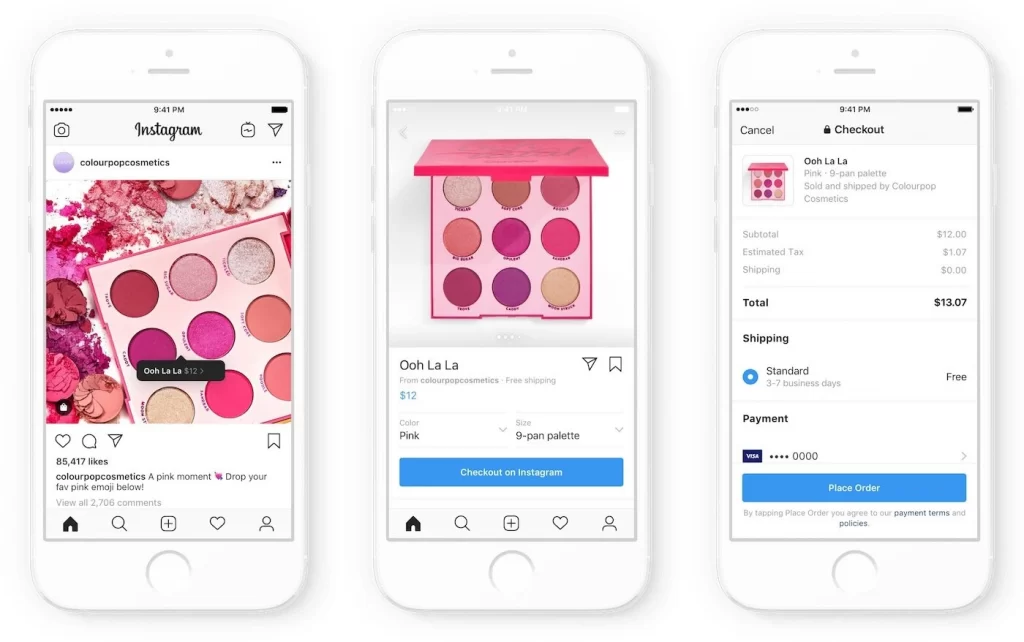
Instagram Shopping is easy to navigate and aligns with the Instagram interface. It enables shopping through posts, stories, and the Explore tab. Instagram Shopping has more than 1 billion monthly active users, making it beneficial for brands that produce visually appealing products.
Instagram shoppers are inspired by visuals and aesthetics, often seeking brands aligning with their lifestyle and values. Instagram provides tools like shoppable posts, product tags, and Instagram Checkout, which allows users to complete purchases without leaving the app.
It’s worth noting that Instagram charges a selling fee of 5% per shipment or a flat fee of $0. 40 with responses reflecting $8 for each shipment
In general, Instagram Shopping is the best multichannel eCommerce for who sell visually appealing products, fashion and beauty brands, and lifestyle brands with strong visual storytelling.
Facebook Shopping
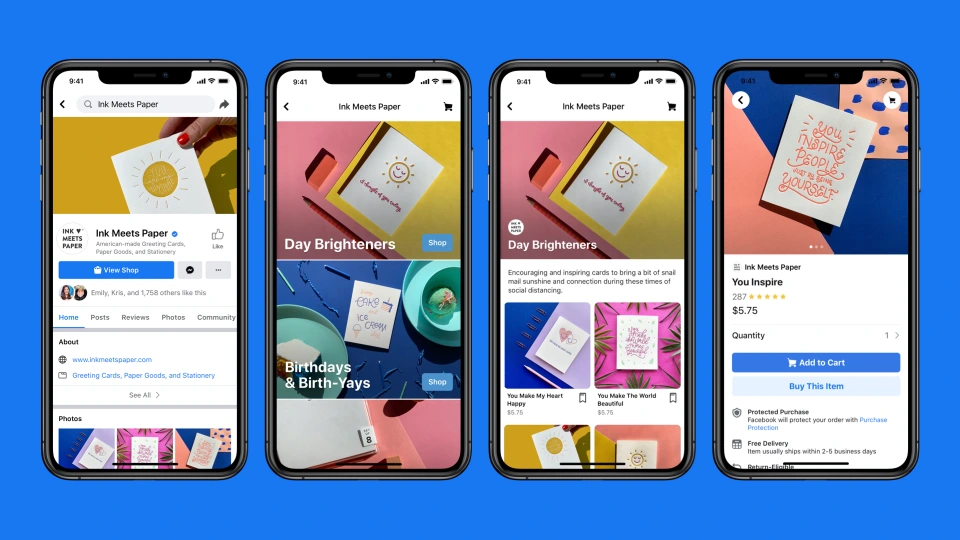
Facebook Shopping allows businesses to create a fully integrated shopping experience directly on Facebook, tapping into its massive user base. It currently has 8 billion active users and penetrates deeper into the greater population, including older and diversified users.
Facebook now has features such as Facebook Shops, where you can create branded spaces to sell products, and Facebook Marketplace, for selling products. Also, regarding targeting, Facebook Ads has incredible pre-setting options with impressive accuracy.
Facebook requires a selling fee commission of 5% of the total shipment or a flat fee of $0.40 for shipments of $8.00 or less, which is the same as Instagram Shopping. There are also costs involved in advertising, which depends on the adverts’ targets and the level of competition.
Integrating Facebook Shopping into your multichannel eCommerce strategy is essential when aiming to reach a wide-ranging audience, especially among older demographics.
Pinterest Shop

Pinterest Shopping has over 450 million active users, with a strong focus on DIY, home decor, fashion, and food. Pinterest’s user base is predominantly female, with a significant portion of users actively planning purchases and seeking inspiration for projects. Shoppers on Pinterest are often in the discovery phase, making it an excellent platform for showcasing visually appealing products that align with lifestyle trends.
Pinterest offers tools like Rich Pins, which provide additional product details directly on the pin, and the Shop the Look feature, which allows users to purchase multiple products from a single pin. Sellers can also use Pinterest Ads to target specific audiences based on interests, keywords, and demographics.
This platform operates on a cost-per-click (CPC) ad model, with costs varying based on targeting and competition. There are no fees for organic product pins.
Finally, we highly recommend Pinterest Shop as a multichannel eCommerce platform for businesses in the fashion, home decor, and DIY niches, with visually appealing products.
Common Challenges and How a Multichannel Selling Software Fixes Them
Selling everywhere creates real operational risk. Here are the recurring problems — and how the right multichannel selling software resolves each one.
Overselling and stockouts. When the same product sells on several channels, manual stock updates can’t keep up, leading to overselling or lost sales. A multichannel ecommerce software with real-time inventory sync updates stock across every channel the moment an order comes in, so availability stays accurate everywhere.
Inconsistent listings. Each platform has different listing fields and requirements. A multichannel listing tool with templates, category mapping, and attribute mapping keeps product data consistent while still optimizing for each channel’s algorithm.
Scattered order management. Processing orders from many sources is error-prone. A multi-channel retail platform aggregates every order into one dashboard, standardizes status updates, and lets you generate shipping labels from a single screen.
Time-consuming bulk work. Listing hundreds of products one by one wastes hours. Bulk listing and dynamic pricing rules let you publish and adjust catalog-wide in minutes.
Why LitCommerce is the Ultimate Multichannel Selling Platform
LitCommerce is a powerful multichannel selling platform built to streamline the complexities of selling across many channels at once. It connects 20+ sales channels — major marketplaces like Amazon, eBay, Etsy, and Walmart, leading carts such as Shopify, WooCommerce, and BigCommerce, and social channels like Facebook Shops and TikTok Shop — all from one user-friendly dashboard.
Standout capabilities of this multichannel ecommerce software include:
- Connect multiple sales channels without any technical background.
- Bulk listing with templates, category mapping, attribute mapping, and dynamic pricing rules — the hallmarks of a fast multichannel listing tool.
- Real-time inventory sync that prevents overselling and updates stock automatically across every channel.
- Centralized order management with order aggregation, status tracking, and one-click shipping labels.
Let’s explore how these features can make managing your multichannel eCommerce much easier.
Connect multiple sales channels
One of the standout features of LitCommerce is its ability to connect with various sales channels effortlessly. Whether you’re selling on major marketplaces like Amazon, eBay, Etsy, and Walmart or using popular shopping carts such as Shopify, WooCommerce, or BigCommerce, LitCommerce has got you covered. It even integrates with social media platforms like Facebook Shops and TikTok Shop.
This robust connectivity allows you to manage all your product listings, inventory, orders, and customer information from a single, user-friendly dashboard. The advanced technology behind LitCommerce ensures that establishing these connections is straightforward—even if you don’t have a technical background. You can keep your sales channels synchronized and efficient with everything linked up.
List products on multiple channels
Listing products across multiple sales channels can be a daunting task. LitCommerce simplifies this process by providing powerful product listing features:
- Bulk listing: Upload and list products in bulk, saving you significant time and effort.
- Template creation: Create customizable listing templates to maintain consistency across channels.
- Category mapping: Map your product categories to the appropriate categories on each platform.
- Attribute mapping: Match product attributes to the corresponding fields on different channels.
- Pricing rules: Set dynamic pricing rules to adjust prices based on platform-specific requirements or promotions.
Real-time inventory sync
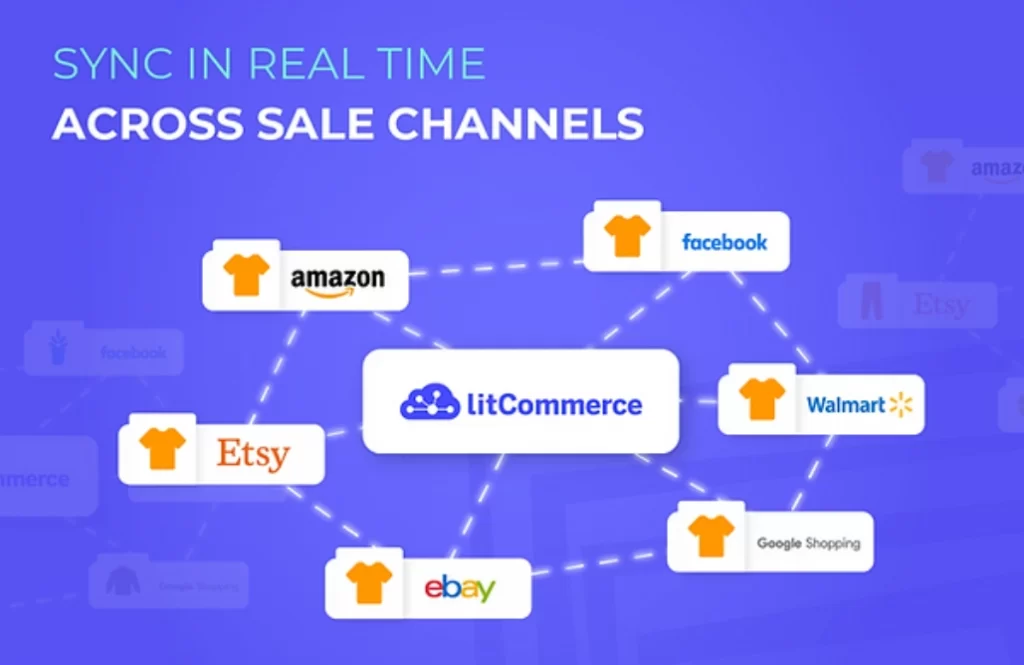
Dealing with inventory across several channels of sales could be quite complex but LitCommerce has made all this easier through the real-time inventory sync feature. Here’s how:
- Real-time synchronization: Keep your product information, including inventory and pricing, consistent across all channels with real-time synchronization. This prevents overselling and ensures accurate product availability information.
- Automated stock adjustments: Any changes in inventory, whether due to returns, exchanges, or restocking, are automatically synced across all channels. This ensures consistency and accuracy.
Centralize order management
Managing orders from various sales channels can be a juggling act, but LitCommerce simplifies this with its centralized order management system:
- Order aggregation: View and handle orders from all your connected channels through a single dashboard.
- Order status updates: Track and update order statuses, keeping customers informed about their shipments and deliveries.
- Order fulfillment: Process orders and generate shipping labels directly from the your eCommerce platform order page.
Why Choose LitCommerce?
LitCommerce is the best and most optimized choice for SMBs, and if you’re hesitant to use a third-party tool, we offer a free plan with no credit card required.
Multichannel vs. Omnichannel eCommerce
The primary distinction between multichannel and omnichannel eCommerce lies in their focus.
Multichannel eCommerce solutions mean selling your products or services across various platforms, such as websites, social media, and physical stores. Each of these channels operates somewhat independently, which can sometimes lead to a fragmented customer experience. While you’re present on multiple channels, each might have its own separate strategy and operations.
On the other hand, omnichannel eCommerce takes things a step further by aiming for a seamless and integrated shopping experience. This approach synchronizes customer interactions and data across all channels. What does this mean in practice? Customers can start a purchase on one channel and effortlessly complete it on another without any hiccups. This strategy delivers a consistent and cohesive experience, ensuring that messaging and branding are unified across every touchpoint.
In a nutshell, multichannel eCommerce is about having a presence on various platforms, whereas omnichannel eCommerce is about crafting a unified experience, regardless of which channel your customers use to interact with your brand.
Multichannel Selling Platform – FAQs
A multichannel selling platform is a software solution that allows eCommerce merchants to list, manage, and sync inventory across multiple online marketplaces and storefronts from a single dashboard. Look for core features such as real-time inventory synchronization, bulk listing edits, centralized order management, and direct integrations with your primary sales channels like Amazon, eBay, or Shopify. Multichannel means selling across several independent channels, while omnichannel unifies those channels into one seamless, synchronized customer experience.
Conclusion: Grow Faster with the Right Multichannel Selling Platform
Managing many sales channels is both rewarding and challenging, but the right multichannel selling platform removes the hard parts so you can focus on growth. By centralizing listings, automating real-time inventory sync, and unifying order management, a capable multichannel ecommerce software lets you reach more customers while doing less manual work. If you’re ready to level up, let LitCommerce be the multichannel selling platform that powers your next stage of eCommerce growth — start free, no credit card required.
Are you and your business ready to level up your multichannel eCommerce plan? Allow LitCommerce to be your ally in this endeavor.